Quick street-side run-down
Look, don’t overthink it — this is a comparison, plain and simple. One setup is about a full hybrid approach that ties panels, batteries, and controls into a single plan; the other leans on the inverter as the brains that manage power flows. If you want the short answer up front: pick the setup that matches your goals — backup, bill savings, or off-grid hustle. Check out a practical hybrid solar system example and you’ll see how those pieces actually hang together.
What each term actually means
Hybrid solar system — that’s the whole package: panels, battery bank, energy management, sometimes smart meters. Hybrid-inverter system — that name zeroes in on the inverter which handles AC/DC switching, battery charging, and grid interactions. One’s a broad blueprint; the other points at the core device doing the switching and control. Know which lens you’re using before you start shopping.
How they differ in practice
Control: hybrid-inverter setups give tight power routing from the inverter; whole-system hybrid designs bake in site-specific wiring and energy management. Flexibility: system-level designs often let you add batteries or change topology later; some inverters lock you into vendor batteries. Failure modes: if the inverter is the weak link, your whole hybrid-inverter setup can stall; a more modular hybrid system can isolate faults and keep parts running. Those differences matter when you need reliability under load.
Where each one shines
Backup-first homes: hybrid-inverter setups work great when you want seamless switchover and simple control. Bill-cutters on grid-tied roofs: a system-level hybrid designed for peak-shifting and time-of-use can save more long-term. Small commercial roofs: pick a modular hybrid approach so you can scale capacity without swapping the whole inverter. Remote or off-grid builds: plan a full hybrid system from day one — battery sizing, charge controllers, and panel layout must play nice together.
Money, installation, and real-world reality
Upfront cost: hybrid-inverter packages often look cheaper because they bundle an inverter with matching battery options. Long-run: modular hybrid systems can be easier to upgrade and repair, which lowers lifetime expense. Installation: inverter-centered builds go quick for crews used to standard racks and wiring; whole-system installs need more design time. Seen commonly in California residential installs, crews pick the approach that matches outage exposure and local interconnection rules — that choice drives real costs and timelines.
Common mistakes people make
Buying the prettiest inverter without checking compatibility; undersizing the battery for your real backup hours; skipping proper battery ventilation or fire-safe layouts; assuming all hybrid labels mean the same wiring. Also, don’t mix and match pieces without confirming communication protocols — you’ll lose critical features like load priority or solar export limits. When you’re shopping a kit, look for clear specs and proven install docs — a solid hybrid solar system kit should make those details obvious.
Other options worth eyeballing
Grid-tied with export control: cheaper but won’t run loads in an outage. AC-coupled retrofit: good for adding storage later without redoing panels. DC-coupled full hybrid: best efficiency for new builds that want streamlined charging and fewer conversion steps. Each choice trades cost, efficiency, and complexity — pick the balance that matches how you actually use power, not what sounds cool.
Bottom line, in plain talk
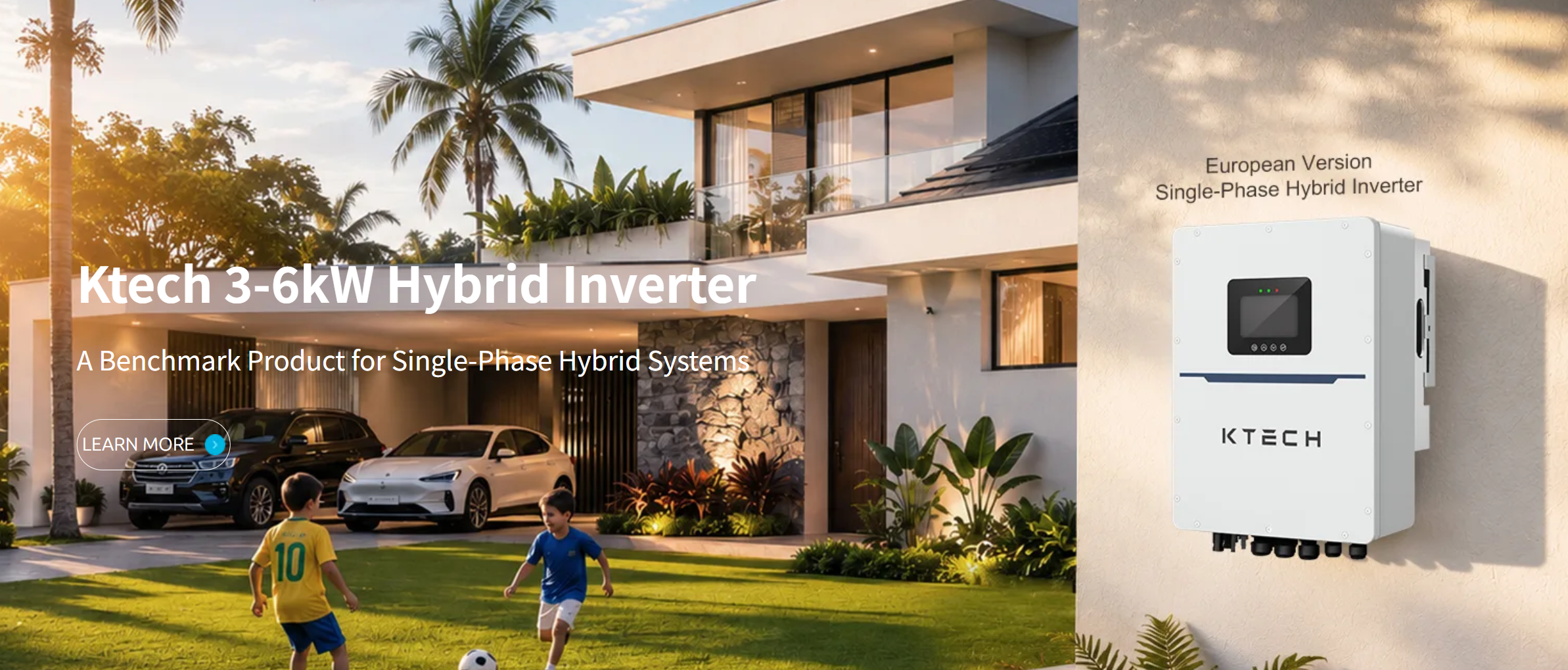
You want reliable power where you need it, not buzzwords. If seamless backup and simple installs matter, go inverter-led. If upgrade paths, efficiency, and site-specific control matter, go system-first. Either way, build with clear specs, a realistic battery plan, and install pros who know grid rules. For a dependable fit that ties those pieces together, check what Ktech lays out and match that to your real-world needs before you sign the contract.