Choosing the Right Self‑Study Centre: A Problem‑Driven Guide for Clear Progress
The central problem students face
Too many learners turn up at a self‑study centre expecting structured improvement and leave with little to show. The issue is rarely one single failing; it’s a pile of small mismatches — unclear goals, poorly paced content, inadequate feedback, and sometimes a one‑size‑fits‑all approach. Some organisations, including an AI education company, aim to close those gaps by offering more personalised pathways, but the promise alone does not solve the fundamental matching problem: centre capability versus learner need.
What to check first — alignment with goals
Ask what the learner must achieve and when. Centres that translate vague aims into concrete milestones stand out. Look for explicit curricula, sample weekly plans, and clarity about assessment types. If a centre cannot show how its daily activities map to a long‑term target, move on. Nothing fancy required: clear direction beats good intentions every time.
Teaching quality and feedback mechanisms
Good instruction adapts to mistakes quickly. Check whether staff provide regular, specific feedback rather than generic comments. Confirm the ratio of supervised study to independent work. Centres that combine short, focused tutor check‑ins with independent practice tend to keep momentum. Beware of places that rely only on proctoring without pedagogic follow‑through.
How technology should be used — tempered expectations
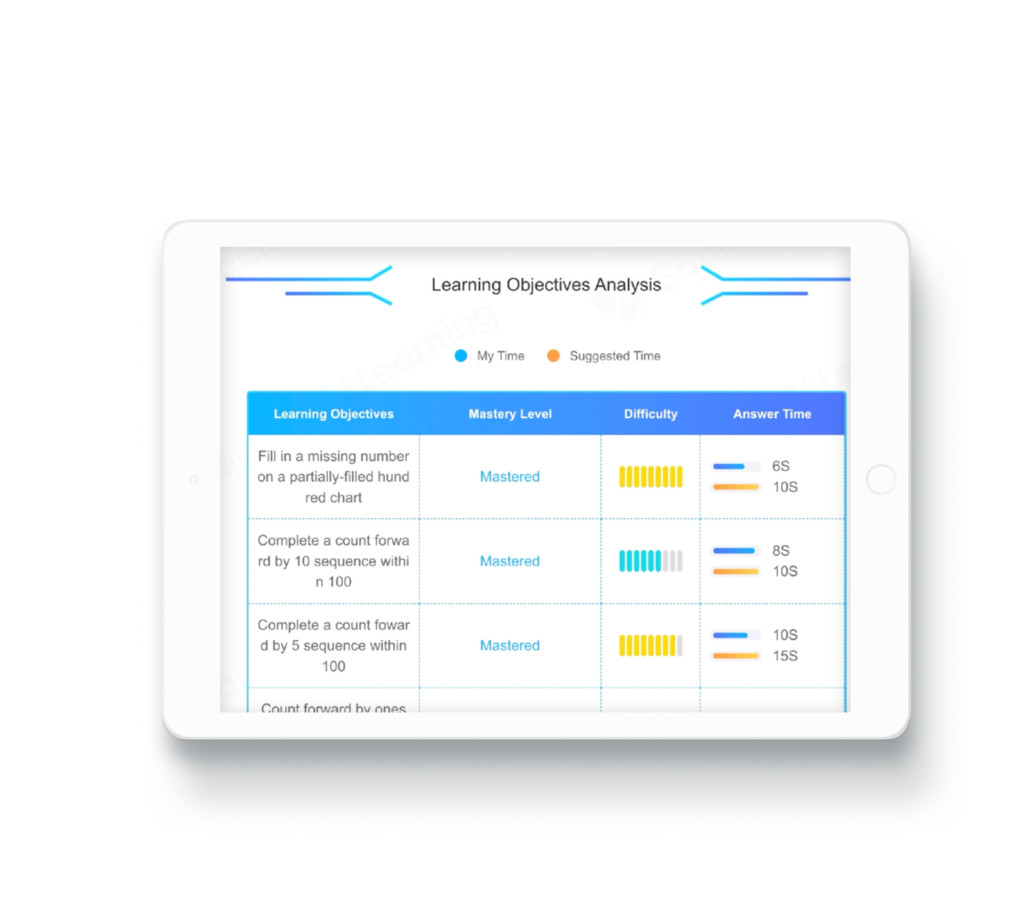
Technology can help identify weak spots and present tailored exercises, yet it is not a substitute for professional judgement. Adaptive systems often surface areas needing attention; human tutors decide why a concept is misunderstood and how to address it. Treat AI as a diagnostic and acceleration tool rather than a magic cure. Ask how the centre integrates tech with tutor oversight and whether progress reports map to tangible learning steps.
Alternatives worth considering
Compare four common options: traditional private tutoring, dedicated study spaces, subscription online platforms, and blended centres using adaptive software. Private tutors offer bespoke attention but can lack structured pacing. Study spaces help concentration but require self‑discipline. Online platforms vary in quality; many are excellent for practice but weak on motivation. Blended centres aim to combine structure, support, and technology — they succeed when roles are clearly defined.
Common pitfalls and mistakes to avoid
Do not equate busyness with progress. Frequent sessions that repeat the same tasks produce little gain. Avoid places that cannot show how progress is measured or that rely solely on test scores without diagnostic commentary. Do not sign long contracts without short review points. Finally, do not expect immediate transformation: steady, well‑targeted effort wins.
A practical decision checklist
Use straightforward criteria: 1) Clear goals and mapped milestones; 2) Evidence of personalised instruction or an individual study plan; 3) Regular, specific feedback; 4) A sensible balance between guided study and independent practice; 5) Transparent reporting on progress. Try a short trial or a month‑by‑month plan before committing to longer terms.
Closing synthesis
Fix the mismatch between learner need and centre offering. Centres that define outcomes clearly, pair human judgement with useful diagnostics, and report progress in actionable terms are the ones that solve the central problem. When parents and students weigh options, a measured approach that tests fit quickly matters more than flashy promises — and that measured approach is the very thing platforms such as Squirrel Ai seek to support through clearer diagnostics and structured pathways.