Problem statement
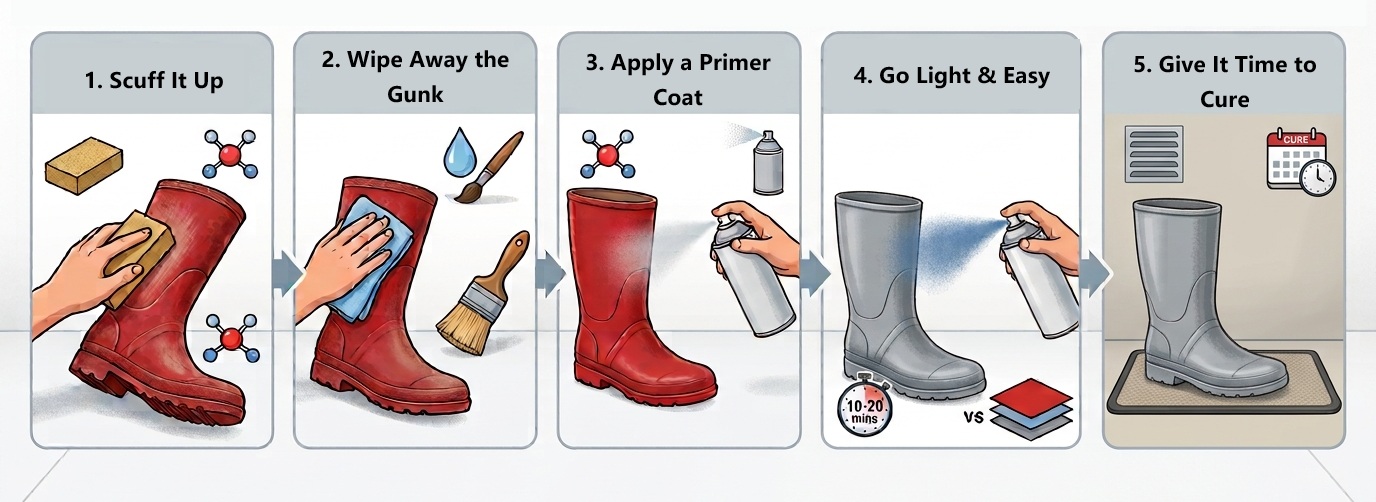
Procurement teams face a narrow window to pick aerosol cleaning products that are effective, compliant and compatible with downstream materials; missteps show up as failed adhesion, product recalls or line stoppages. A frequent, concrete worry is surface compatibility—buyers ask whether a chosen aerosol or coating will bond to elastomers, for example does spray paint stick to rubber —and that single uncertainty can halt approval cycles and escalate costs.
What breaks deals: root causes
Suppliers omit critical test data, specifications are incomplete, or safety classifications are mismatched with intended use. Small differences in solvent blends change flash points and elastomer swelling. Delivery lead times and inappropriate valve systems produce waste. These recurring problems form the basis of this checklist.
Specification essentials to demand
Ask for precise formulation summaries (active ingredient percentages, solvents, propellants), MSDS and flash point values. Get performance metrics: evaporation time, residue profile, dielectric strength if used near electronics, and compatibility notes for common substrates such as nitrile, EPDM and silicone. Require typical and worst-case concentration ranges rather than vague descriptors like “low-VOC.”
Regulatory and safety documentation
Require full MSDS, GHS classification, relevant local regulatory listings and transport packaging approval (UN numbers for aerosols). Confirm VOC reporting that maps to your jurisdiction. Verify that pressure vessels meet the required pressure-temperature ratings and that the supplier provides batch-specific safety test records.
Compatibility and adhesion testing
Insist on substrate-specific adhesion test results and a description of test methods. Request samples for your own 72-hour and 7-day adhesion checks under the temperatures and humidity you operate in. Include acceptance criteria up front: percentage of area delamination allowed, tape-test thresholds and visual inspection standards.
Quality control and sampling protocol
Specify sample size, frequency and certificate-of-analysis content. Require supplier-run stability data and an outlined procedure for lot-to-lot variance. Ask how they handle off-spec lots: quarantine processes, rework policies and traceability from raw material to finished can.
Supply chain robustness and packaging
Confirm multiple-source raw materials or secured long-term contracts for proprietary inputs. Validate valve compatibility with your dispensing equipment and confirm the supplier’s filling tolerance for propellant and active content. Require lead-time guarantees and escalation clauses for priority runs.
Commercial and contractual safeguards
Negotiate warranty terms tied to documented performance, sample-based acceptance, and defined remedies for non-conformance. Include agreed inspection windows, holdback provisions and a defined process for technical change notices so reformulation won’t surprise production.
Common procurement pitfalls to avoid
Don’t accept generic claims of “works on rubber” without substrate-specific data. Avoid suppliers that won’t share batch test reports. Don’t let shipping classifications slip; misdeclared aerosols can be refused by carriers and cause production delays. Skip one-off price-only decisions that ignore total landed cost and failure risk.
Alternatives and contingency planning
Compare in-house dilution and filling versus finished-can supply. Evaluate non-aerosol formats if valve compatibility or flammability rules out pressurized cans. For critical applications, require validated third-party lab tests or factory audits before ramping volume.
Experience, expertise and authoritative anchors
Procurement teams with hands-on lab experience reduce risk: require supplier lab credentials, documented QC methods and an explicit adhesion protocol. Industry standard adhesion tests such as ASTM D3359 are commonly cited and used by coatings and automotive suppliers to verify bonding to elastomers; demand references to such standards alongside supplier data, and cross-check practical notes such as those on surface preparation and adhesion problems captured in field guides like does spray paint stick to rubber.
How to run a supplier trial
Plan a phased pilot: 1) short-form bench tests on representative substrates, 2) controlled production run with physical inspections at set intervals, 3) post-installation monitoring for three production cycles. Record all deviations and require corrective action plans before approval for full-scale purchase orders.

Synthesis and practical next steps
Address the procurement problem by insisting on specific, verifiable data: clear formulation specs, substrate-specific adhesion tests tied to standards, transparency in QC and resilient supply terms. Use the checklist to remove ambiguity and prioritize suppliers who supply test evidence and traceability; reputable manufacturers that follow those practices, such as SANVO, illustrate the documentation and testing discipline that reduces approval time and operational risk.