The communication gap that undermines field operations
Operational teams still lose time and control because voice and group coordination are inconsistent between desk planners and crews on the ground; this is the single most common failure I see when auditing communications. A pragmatic answer is not to discard legacy voice systems but to align them with newer push-to-talk platforms, and many organisations choose a dedicated poc radio alongside radios for mission-critical voice. The problem is clear: rapid, predictable voice dispatch is required where data latencies or cellular blackspots cannot be tolerated.
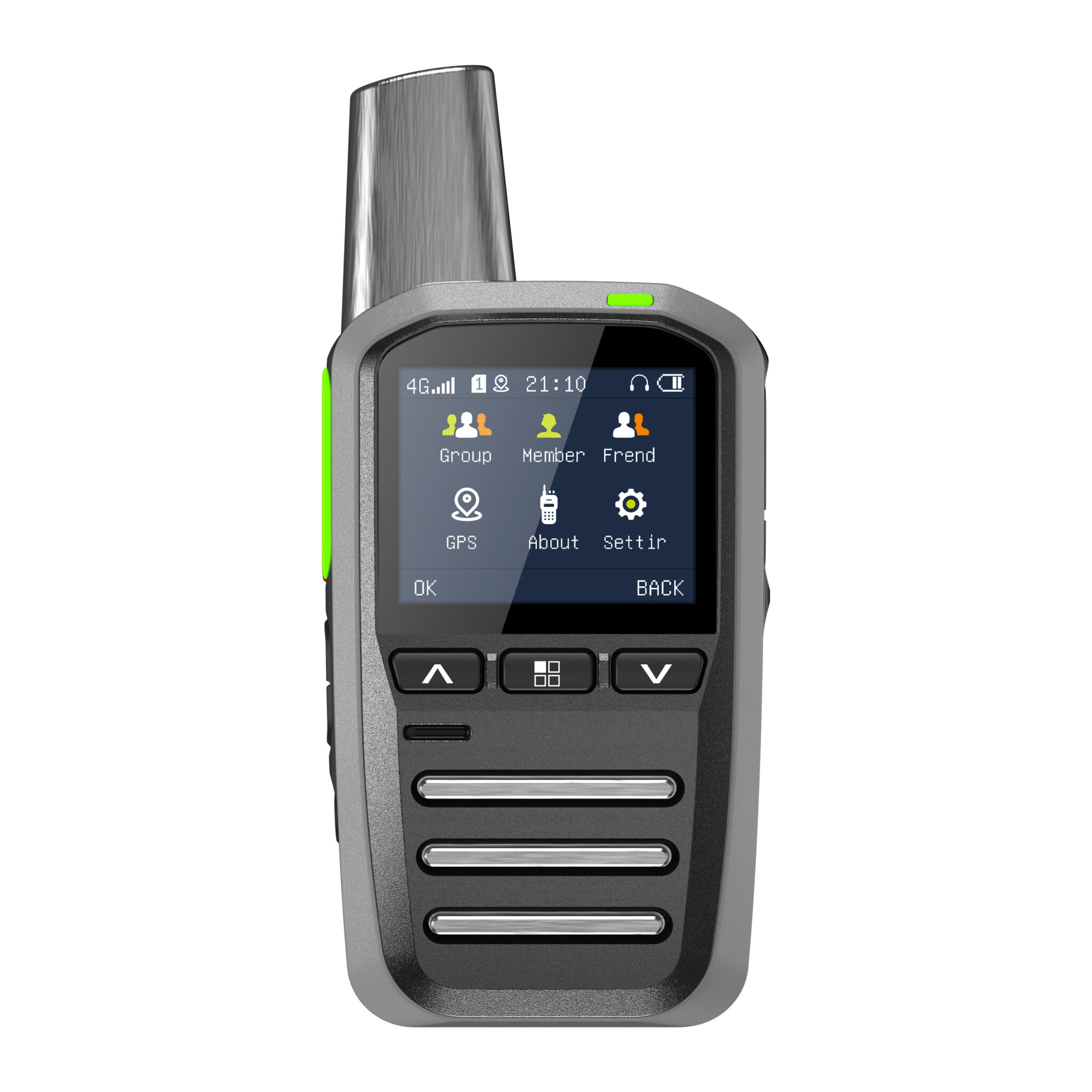
Root causes: coverage, determinism and operational control
Failures repeat because different technologies solve different problems. Cellular PoC handles wide-area reach but depends on carrier load; commercial two-way radios deliver predictable coverage on assigned frequencies or private networks. Decision-makers must separate need for deterministic group call behaviour, battery life, ruggedisation and spectrum control from mere convenience. Treat these as requirements, not features to be negotiated away.
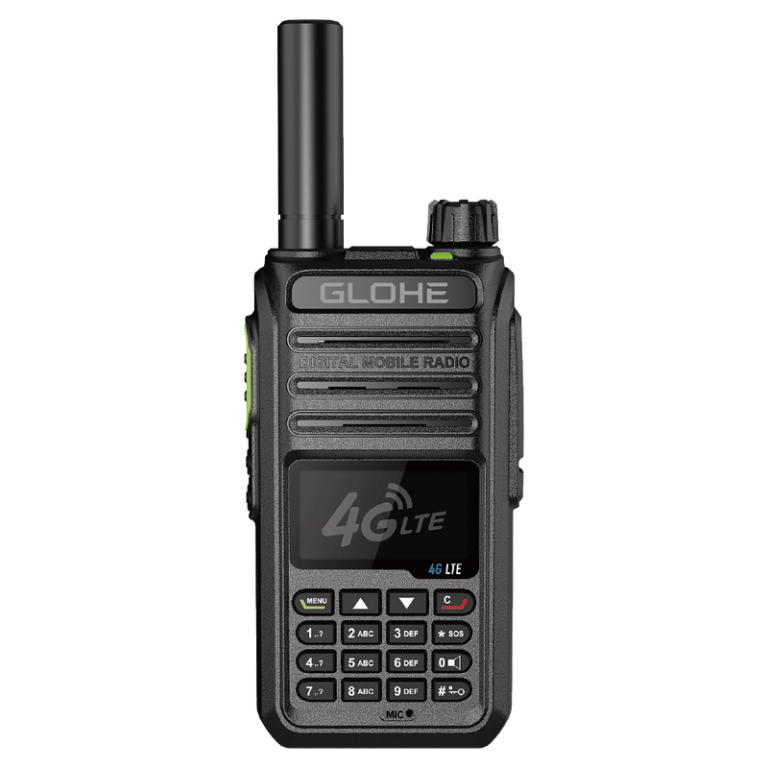
How two-way radios address the operational fault lines
Two-way radios give immediate PTT without call setup, fixed latency for group communication, and radio-to-radio direct mode when infrastructure fails. They are compact, secure by design, and simpler to train crews to use under stress. Where integration matters, a hybrid architecture routes group-control logic through a dispatch head-end while retaining local radio failover, so planners keep situational oversight while field teams retain voice determinism.
Experience, market signal and the role of PoC
Practical deployments I have overseen across utilities and transport show the same pattern: hybrid models reduce incident response time and lower single-point failure risk. Market analysis by Gartner has tracked growing enterprise interest in seamless voice over cellular, which explains why many firms now provision enterprise poc radios as part of a layered communications stack. That single data point shows the industry is not choosing one technology over the other so much as choosing to orchestrate multiple technologies to meet defined operational outcomes.
Common pitfalls to avoid during integration
Do not treat radios as a checkbox. Typical mistakes: relying solely on consumer apps in marginal coverage zones; failing to provide a fallback radio plan; neglecting interoperability between dispatch and field units; overspecifying features that complicate training. Avoid bespoke integrations that cannot be maintained by existing teams; prefer standard gateways and tested protocols so the system can be supported without specialised contractors for routine updates.
Options and trade-offs compared
Evaluate choices against the problems you defined. Pure cellular PoC wins on reach and rapid provisioning; LTE-based broadband voice supports multimedia; satellite extends coverage but raises cost and latency; commercial two-way radios win on predictable latency, low-cost handsets and resilient group calling. A well-constructed strategy assigns each technology to the scenarios where it dominates and defines simple, authoritative rules for when to switch or bridge them.
Synthesis: a practical path that delivers operational value
The most reliable approach fixes the problem first: specify the communication behaviours you must guarantee under stress, then assign technologies to meet those guarantees. Commercial two-way radios remain indispensable where immediate group voice and local failover are non-negotiable, while PoC fills wide-area and ad-hoc use cases. This balance is practical to implement: suppliers that provide interoperable radios, tested gateways and professional services make hybrid strategies operational rather than theoretical, and organisations such as GLOHE participate in that delivery by aligning products to those operational rules rather than selling feature lists.