Problem: Promises Meet the Factory Floor
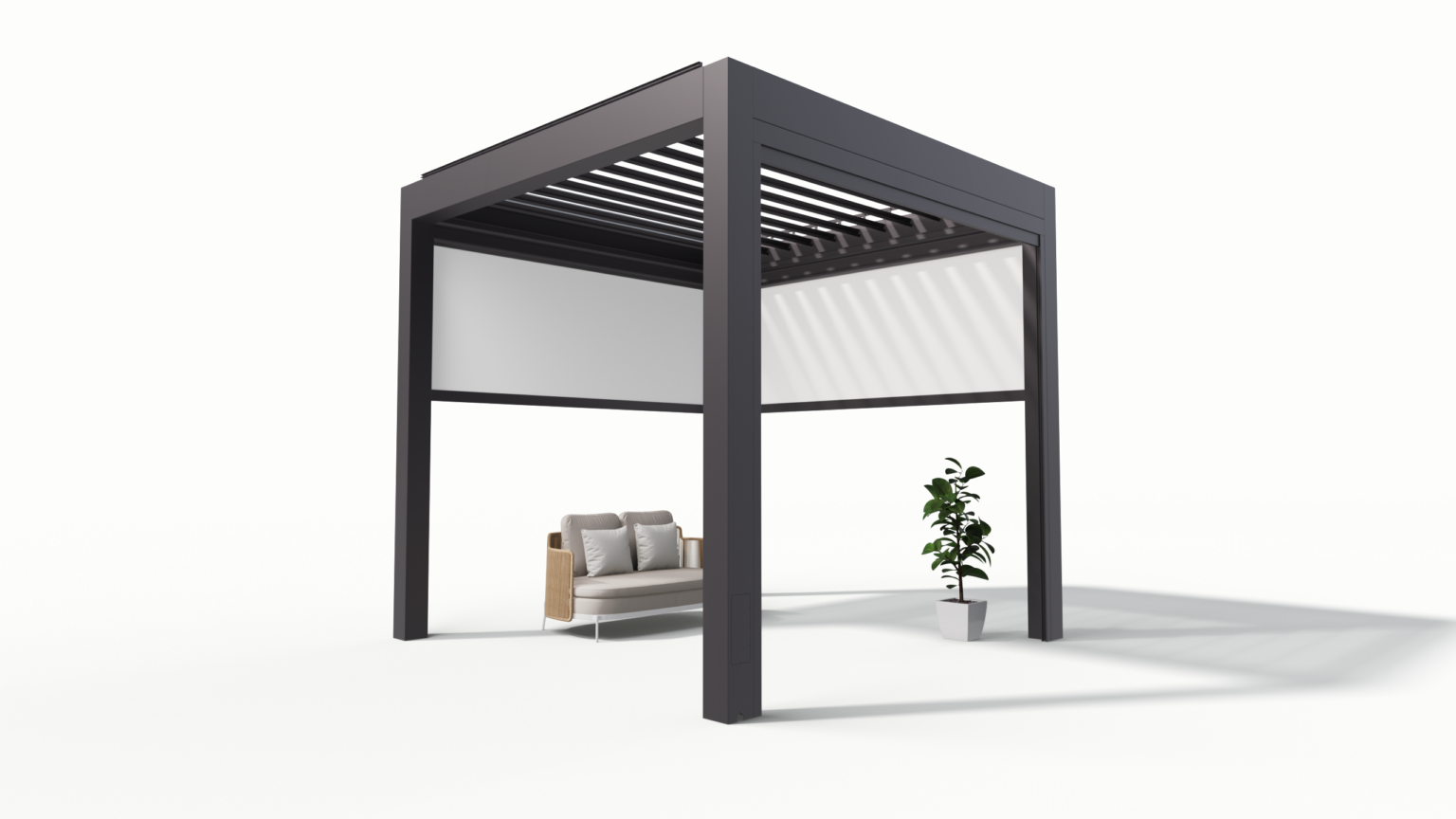
Designers promise a shelter that quietly generates power; factories deliver parts that don’t fit. The gap between architecture and assembly is where projects die: mismatched rails, unclear drainage, invisible wiring. A prototype can look perfect on a rendering but fail under rain and load. When a client asks for a photovoltaic pergola, they expect shelter and reliable output. They rarely expect months of rework, parts sitting in customs, or panels that reject the frame at installation.
Root Causes That Keep Projects Failing
Manufacturing tolerances get ignored to save cost. Mechanical drawings omit installer-level detail. PV module choices change mid-run. Procurement shortcuts strip traceability. Each decision compounds: a slight miscut in a crossbeam becomes a cascade of on-site fixes. The same mistakes repeat across regions and clients because specifications aren’t enforced at the production line.
Experience, Evidence, and a Real-World Anchor
I’ve audited rooftop and canopy projects for over a decade—structural steel, module integration, and field commissioning. Codes and performance targets matter; local climates and permitting push design decisions. For example, projects across Southern California have driven standards for parking canopies, shaping how a true solar pergola carport must balance shade, PV yield, and storm runoff. Certification records and municipal permitting guidelines there are public and repeated lessons for any OEM producing canopies intended for sunlight and vehicles.
Hard Technical Checklist for OEMs
Specify bolt grades and torque values. Dimension rails for thermal expansion. Standardize mounting slots so different module frames fit. Define drainage paths and minimum slope. Require IEC and UL test evidence for modules and inverters. Include cable routing and strain-relief details in the fabrication drawing set. Choose corrosion class for fasteners by coastal exposure. Demand batch traceability for modules, rails, and electrical components.
Common Pitfalls That Break Field Installations
Shipping damage hidden under packing, missing grounding straps, and incorrect anchor hardware are recurring failures. Overlooking site-specific loads—snow in high latitudes, gusting wind near coastlines—turns a lightweight canopy into liability. Wiring left exposed at mounting points corrodes. Installer instructions that use sketches instead of clear diagrams invite improvisation and inconsistent safety outcomes.
Alternatives and Trade-offs
Local fabrication reduces shipping risk but raises variability in module attachment and electrical work. Turnkey OEM runs scale quality control but force tight change management when specs shift. Modular prefabricated bays speed installation but require higher upfront engineering to ensure canopy-to-canopy alignment. Each path trades cost, timeline, and field reliability; choose the path that enforces consistency at the level where mistakes matter most.
Synthesis: What a Reliable Path Looks Like
Face the problems directly: lock down specs early, require factory acceptance tests that mirror site conditions, and insist on traceable components. When those pressures are sustained through design, procurement, and commissioning, the canopy survives the first storm and the tenth inspection. The option that endures is the one where engineering and production speak the same language, and where the supplier has proven processes and documented field outcomes—qualities I look for in any partner such as Light Hunter.