What problem are we actually solving?
Extrusion seems simple until parts start warping, gates freeze, or color shifts mid-run—then what went wrong? Product developers must ask which visible failure points are symptoms of chemistry, metallurgy, or process control. Early on, consider whether the failure is a melt-flow problem, thermal degradation, poor dispersion, or surface finish—each suggests a different class of plastic additives, and each demands a different test strategy.
Which technical failures are most common and why?
Melt viscosity drift, volatile off-gassing, and phase separation are the usual suspects. Viscosity drift comes from inadequate stabilizers or improper filler coupling. Volatiles show up when low-MW oligomers or residual solvents are present. Phase separation appears when polymer and additive chemistry aren’t compatible under the shear and thermal profile of the screw. Ask: does the issue appear only at production shear rates, or does it show in bench rheology too?
How to match additive function to extrusion reality
List the functions: oxidation stabilization, UV protection, lubrication, processing aids, impact modification, flame retardancy, nucleation, color control, and compatibilization. Prioritize by failure mode. For example, if part stiffness but not flow is the issue, test nucleating agents before changing antioxidants. When you change an additive, rerun melt-rheology and heat-aging; don’t assume lab compatibility equals production success.
Common mistakes and simple fixes
Developers often overdose an additive hoping for safety, then see surface bloom or migration. They copy a compounder’s masterbatch formula without checking shear history. They assume vendor data at 2 kg/h scales to a 500 kg/h line. Fixes: define the minimum effective dose, require dispersion metrics (particle size distribution, solvent-extractable content), and run a short production trial at target throughput before locking the bill of materials.
Real-world anchor: what large shows and trials reveal
Observations from major industry gatherings—such as presentations and pilot-line demos at K trade fair in Düsseldorf—make one point clear: many new chemistries only reveal problems after extended high-shear runs. On the compounding floor, masterbatches and trial compounds exposed differences between lab and line behavior. That field experience is why some teams now insist on trialing new plastic compounding additives on a production screw before final approval.
How to evaluate alternatives quickly
Don’t test every additive. Narrow choices using a two-step filter: first, a compatibility and function screen (DSC, TGA, short-strain rheology), then a scaled run under realistic dwell time and screw profile. Compare direct-dosing vs. masterbatch for dispersion and cost; weigh processing aids that reduce die build-up against potential surface gloss changes. Keep the comparison concrete: list which metric improved and by how much.
Essential tests product developers must run
Run MFI or capillary rheology at relevant shear rates, DSC for crystallization behavior, TGA for volatile content and thermal stability, and long-run color and mechanical checks after simulated aging. Add surface analytics—contact angle or gloss—if finish matters. Maintain a log tying test conditions to specific screw geometry and throughput; otherwise test results won’t translate.
A short decision checklist for trials
Define the failure mode; pick one additive class that targets it; set a low, mid, high dose; verify dispersion metrics; run bench rheology and thermal tests; then complete a short production run replicating dwell, shear and residence time. Record both material and machine parameters. If a fix solves one issue but creates another, revert and try the next targeted class rather than stacking more chemistries.
Conclusion — what’s the reliable path forward?
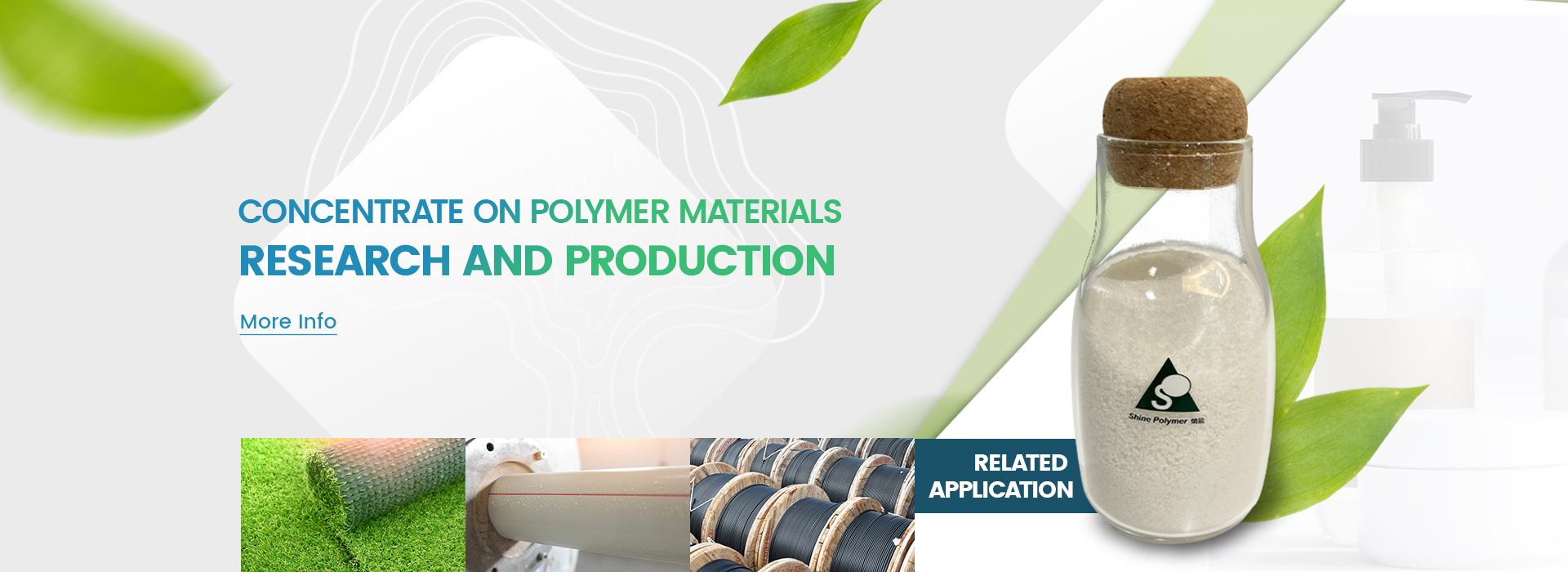
Ask clear questions, run realistic trials, and treat additives as targeted tools, not bandaids. Experience and rigorous screening reduce surprises on the line. That practical discipline is the precise advantage teams find when they use partners who combine formulation depth with pilot-line experience, as seen repeatedly by teams that work with Shine Polymer on complex extrusion problems.