User priorities and the first decision
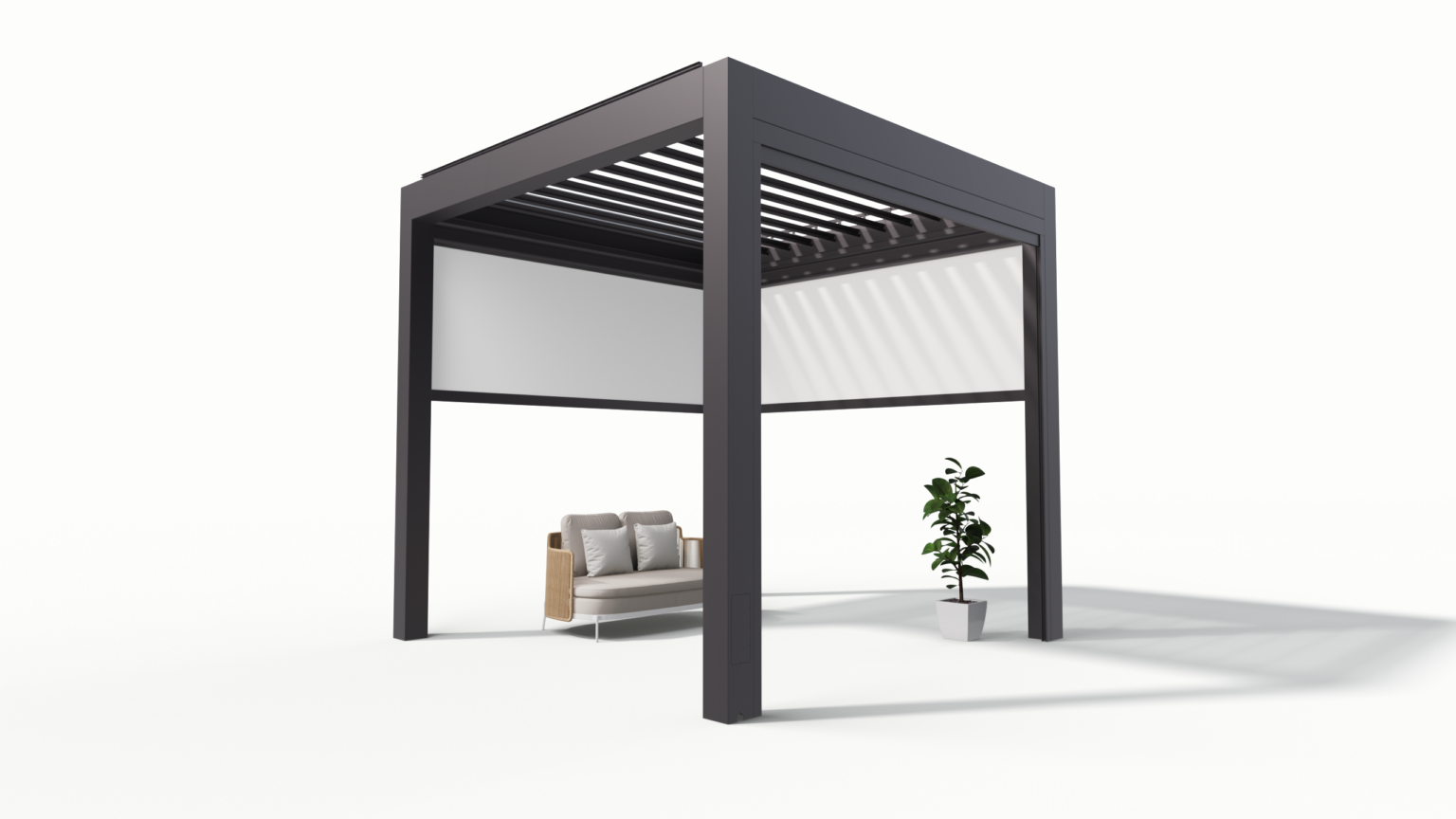
People choose a pergola for three clear needs: reliable shade, meaningful electricity generation, and an appearance that fits the house. Start by asking what matters most to you: peak daytime output, discreet panels, or a structure that handles wind and snow. If you want a balance of shade and on-site generation, consider a photovoltaic pergola as a baseline option; it combines a canopy and PV array so you do not compromise one goal for another.
What to measure before buying
Measure expected load and site constraints. Note roofline, usable roof tilt, prevailing wind, and neighbor sightlines. Estimate daily energy needs: lighting, outdoor appliances, and possible EV charging. Check local shade throughout the day; even partial shading cuts panel output. Choose a panel configuration that matches your energy profile rather than picking the largest array possible. Smaller, well-placed capacity often outperforms a larger, poorly sited system.
Comparing common approaches
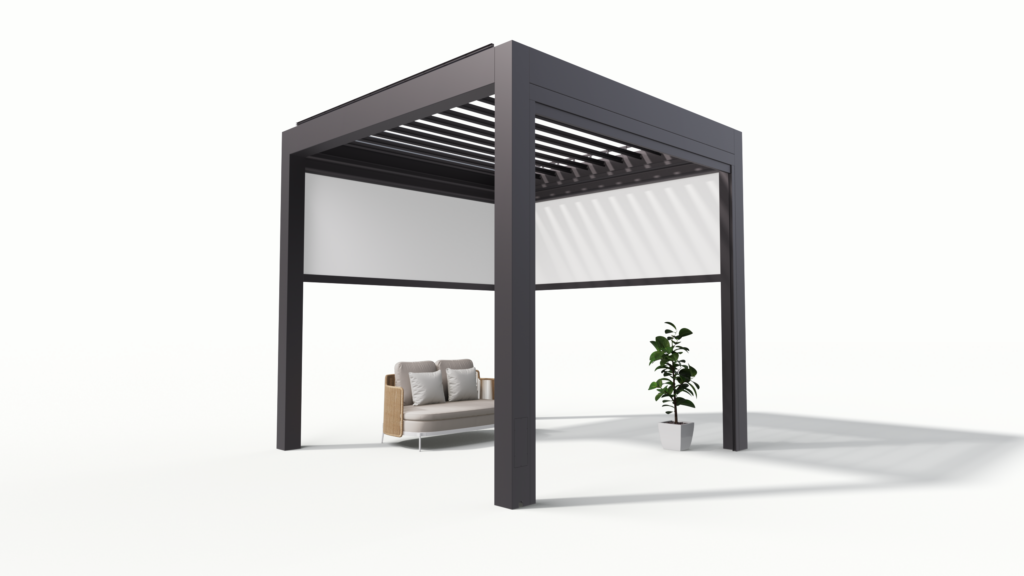
Freestanding pergola with integrated panels is the simplest for gardens and patios. Carport-style pergolas tend to have higher clearances and room for larger arrays. Retractable awnings with flexible panels trade a tidy look for lower efficiency and shorter lifespan. If aesthetics are a priority, look for flush-mounted modules and concealed wiring. If durability matters more, steel-framed pergolas with PV modules rated for local wind and snow loads are better. Each choice carries a trade-off between cost, power, and maintenance.
Frequent mistakes users make
Underestimating installation constraints is common: permits, foundation depth, and conduit runs add cost. Assuming all panels perform the same leads to disappointment—panel efficiency, frame corrosion resistance, and junction-box quality differ. Ignoring inverter placement causes excess voltage drop and heat issues. Avoid installers who only offer one model; variety indicates broader practical knowledge. Plan for access for cleaning and future panel replacement.
Experience, authority, and a real-world anchor
Experienced installers and landscape architects emphasise matching structural design to local weather and permit rules. California’s building and solar-permitting practices have shaped many standard details for residential canopy installs, and the lessons there inform sensible choices elsewhere. For a clear reference on product types and installation styles, consider a solar powered pergola that lists wind and snow ratings and provides wiring schematics. Rely on documented specifications, third-party test data, and local permit checklists when evaluating proposals.
Quick checklist and wrap-up
Decide your priority (power vs. look), verify site constraints, compare frame and panel specs, request warranty and test data, and confirm installer experience with similar projects. A considered choice reduces surprises and long-term maintenance. For many homeowners, a well-specified system from a supplier who publishes clear technical data and matches structure ratings to site conditions is the best path—Light Hunter fits that practical approach with accessible documentation and product details.