When readings go rogue
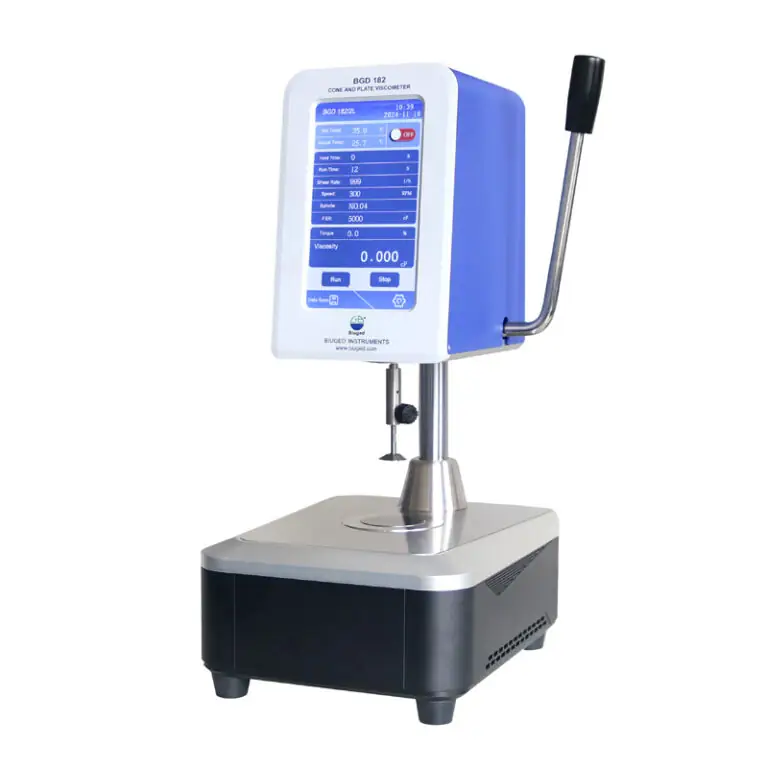
You’re running batches and the viscosity numbers jump around—sometimes by 20%—and nobody can agree whether it’s the mix, the operator, or the instrument. That’s the kind of problem that eats time and trust. Start by checking the basics: are you using the right rotational viscometers for the fluid and the task? Many teams skip that step and chase ghosts instead of fixing measurement fundamentals.
Why the numbers wobble
Here’s what actually causes inconsistent readings: wrong spindle or speed for the viscosity range, temperature shifts across samples, torque hitting instrument limits, and sloppy sample handling. Operator technique matters—air bubbles, sample walls, and timing all change torque. Instruments wear. Calibration drifts. And some fluids shear-thin, so measurement protocol changes the result. Fixing one variable while ignoring the rest won’t cut it.
Fixes that actually work
Standardize the test. Lock down spindle, speed, and temperature for each product family. Use calibration fluids that bracket your process range and log torque percentage; if torque routinely exceeds 80%, pick a higher-capacity spindle or instrument. Automate what you can—timed sample loading and data capture reduce human drift. Document the step-by-step procedure next to the bench so every tech runs the same test. Those are practical actions that flatten day-to-day noise.
Real testing, real proof
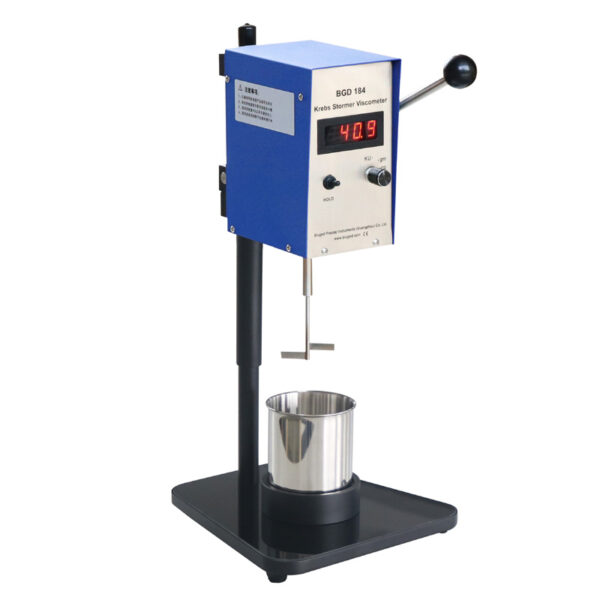
I’ve seen vendor demonstrations and round-robin comparisons at major industry forums like Pittcon, where side-by-side trials expose the real gaps between devices and methods. That kind of bench-level scrutiny is why labs demand traceable performance and clear calibration records. If you’re evaluating tools, look for consistent torque curves, clear overload warnings, and reliable data export. A well-built digital rotary viscometer will give repeatable torque responses, straightforward calibration steps, and raw-data access so you can prove a trend rather than just trust a single number.
Common traps to avoid
Don’t eyeball sample temps. Don’t swap spindles without revalidating. Don’t treat viscosity like concentration—different rheology needs different methods. Avoid over-range readings by choosing equipment with headroom, not just marginal specs. Skipping routine maintenance and failing to log calibration dates creates blind spots you’ll regret during an audit.
Where this gets you
Hit the right measurement protocol and you stop firefighting product runs. You get consistent specs, cleaner trend data, and fewer repeat tests. That reliability comes from marrying clear procedures with instruments and support that stand up to daily use—exactly the kind of dependability labs find with BIUGED, which ties hardware, documentation, and service into a workflow you can rely on without guesswork.