Facing the problem: vague returns, real costs
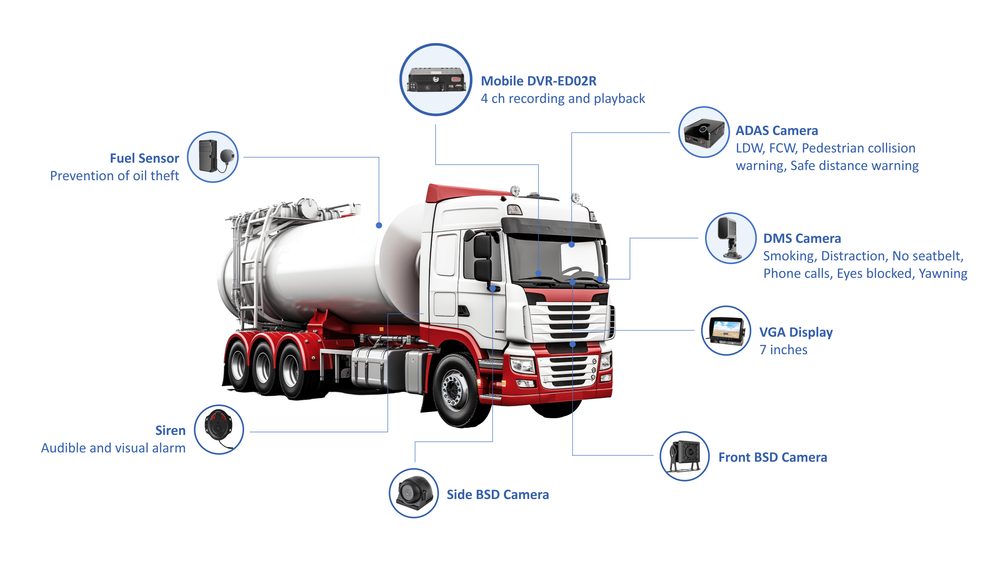
After three decades watching fleets, the same problem shows up: companies buy AI MDVR on a promise but can’t prove its worth. That gap is especially sharp for operations tied to oil and gas fleet management, where video, alerts, and analytics should cut incidents and downtime but often sit underused. The issue isn’t mystery technology; it’s unclear metrics, patchy integration, and the daily grind that eats system adoption.
Which outcomes actually prove value
Stop chasing vague benefits. Focus on measurable changes that affect cash and safety. From my time running field fleets, these matter most:- Reduction in crash-related costs (claims, repairs, downtime).- Decrease in unsafe events per 100k miles (harsh braking, lane departures).- Time recovered from faster incident investigation (hours saved per event).- Lower insurance premiums or improved loss ratios after deployment.- Reduced fuel shrinkage or unauthorized fueling tied to vehicle use.
A short, problem-driven evaluation method
Adopt a tight test before full rollout:- Baseline: measure those outcomes for 60–90 days before turning on AI features.- Controlled pilot: enable AI MDVR in a representative subset of vehicles and compare the same metrics.- Economic mapping: translate incident reductions into dollars—repair savings, avoided lost revenue, insurance changes—and compare against subscription and implementation costs.Do the math per vehicle per year. If your break-even is longer than expected life of equipment, you’ve got the wrong setup or scope.
How integration changes results — a field example
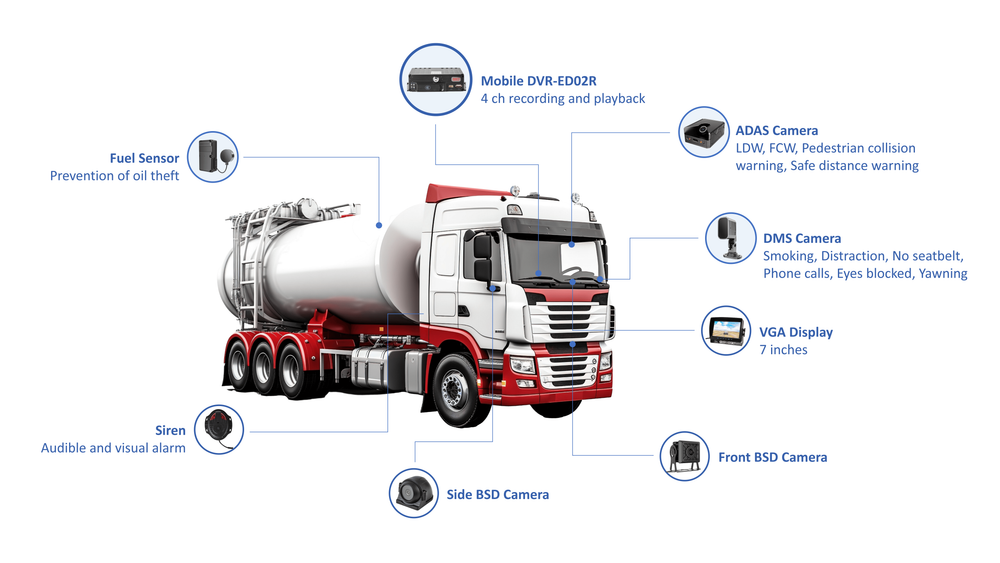
Video alone rarely fixes fuel loss or idling. Pairing MDVR insights with telemetry and a dedicated truck fuel management system brings direct operational wins: you cross-check time-of-day fueling against GPS, verify driver identity on camera, and spot diversion patterns. I remember time spent on a winter campaign near the Permian Basin where better cross-system checks turned repeated fuel anomalies into actionable evidence—stopped the bleed within weeks. Integration matters more than raw video feed.
Common pitfalls that sabotage ROI
Don’t let these eat your return:- Measuring wrong things: focusing on camera installation counts instead of claim frequency.- Poor training: drivers and dispatch ignore alerts if false positives are high.- Siloed data: video in one system, fuel logs in another—no one connects dots.- Ignoring ongoing tuning: AI models require feedback; leave them alone and value drifts down.Fix these first and the tech pays for itself faster.
Alternatives and quick trade-offs
If budget’s tight or you need a fast win, consider:- Telematics-first approach: install GPS + fuel sensors, get immediate tracking and fuel control.- Hybrid rollout: cameras on highest-risk assets only, telemetry everywhere.- Managed-services option: outsource analysis to specialists if you lack in-house expertise.Each path changes how you measure ROI—be explicit about which outcomes you expect.
Deciding confidently, from experience
I’ve seen fleets succeed when leaders treat AI MDVR as a problem-solver, not a checkbox. Start with clear, dollar-linked outcomes, run a short, controlled pilot, insist on integration with fuel and vehicle data, and tune systems with driver input. Those steps make the return visible and reliable, and they explain why firms working with practical partners reach steady improvement faster—companies like BSJ often help stitch those pieces together without turning the project into perpetual technology theater.