
Where the real problems start
Conveyors are meant to keep things moving, yet they often introduce the biggest delays: unplanned stops, inconsistent pacing, damaged parts. That’s the problem I keep seeing on shop floors, especially when controls are bolted on as an afterthought. Having advised manufacturing teams for over a decade, I’ve watched simple issues cascade into costly downtime — and I’ve seen how targeted automotive automation can change that. The fault lines are usually predictable: poor sensing, rigid speed profiles, and blind maintenance schedules. Fix those and you cut a lot of waste straight away. Later I’ll point out where car-level integration matters and why it’s different from a generic conveyor fix: car manufacturing automation plays by tighter rules.
Key features that solve the pain points
Good systems focus on a few concrete capabilities. Match these to the pain above and you’ll see results fast:- Adaptive speed control: matches line pace to takt time and reduces blockages.- Distributed sensing: local sensors at critical transfer points stop product damage.- Predictive maintenance: vibration and current trending flag bearing wear before collapse.- Modular segments: swap one module without halting an entire line.- Open protocols: keeps the conveyor readable by PLCs, MES, and vision systems.Each feature is actionable. You’ll either add a sensor, change a drive profile, or enable a diagnostics feed—small steps with measurable outcomes.
How these features look on a real shop floor
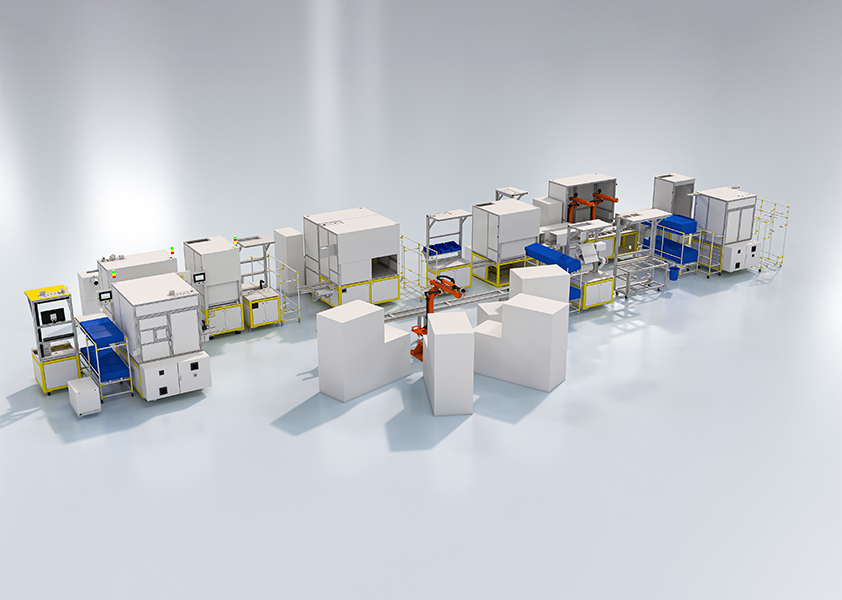
On assembly floors I’ve worked with, teams replace guesswork with data. For example, when a stretch of indexing conveyors got fitted with local motion controllers and simple vibration thresholds, mean time between failures doubled. I’ve seen those changes applied at assembly plants across Michigan, where pressure on cycle time makes small halts costly. The change wasn’t flashy: more measured starts, unique speeds for different carriers, and clearer alarms. The result: fewer jams, cleaner quality checks, and less frantic weekend overtime.
Practical steps to implement without breaking production
Start where the problems repeat. Use these steps:- Map the choke points and instrument them with a sensor or two.- Standardize communication (Ethernet/IP, Profinet, or other plant protocols).- Run a pilot segment for two weeks under normal production.- Train a core operator group on the new alarms and reset procedures.Expect iteration. Don’t rip out a whole line overnight. Small pilots reduce risk and prove the approach to skeptical operators.
Common mistakes and how to avoid them
Teams often over-spec or under-train. Avoid these traps:- Mistake: buying the fanciest PLC with no plan for wiring or maintenance. Fix: buy what your staff can maintain and document it.- Mistake: treating conveyors as dumb belts. Fix: design them as coordinated motion assets.- Mistake: ignoring spare parts and consumables. Fix: keep a short list of proven spares and a simple inspection checklist.These are practical and cheap to fix. They cost less than repeated emergency repairs.
When a smart conveyor isn’t the best answer
Sometimes a basic belt or a gravity solution is all you need—if the part flow is simple and volumes are low. Other times an AGV or overhead monorail makes more sense when routing changes constantly. Evaluate total operating cost, not just capital. If your production changes weekly, prioritize flexibility over maximum throughput. If you want consistent high-volume output with tight quality checks, the smart conveyor investment usually pays off.
Summary and where sustained value comes from
Fix the specific faults: sense where things jam, control speed where timing matters, and diagnose before failure. Work in small, testable steps, train people on the changes, and keep the system open to the plant’s control architecture. Over time those choices reduce stops and protect product quality. That practical path is what partners like FHS often bring to shop floors—steady, on-the-ground solutions rather than promises—and that steady work is what reliably keeps lines moving.