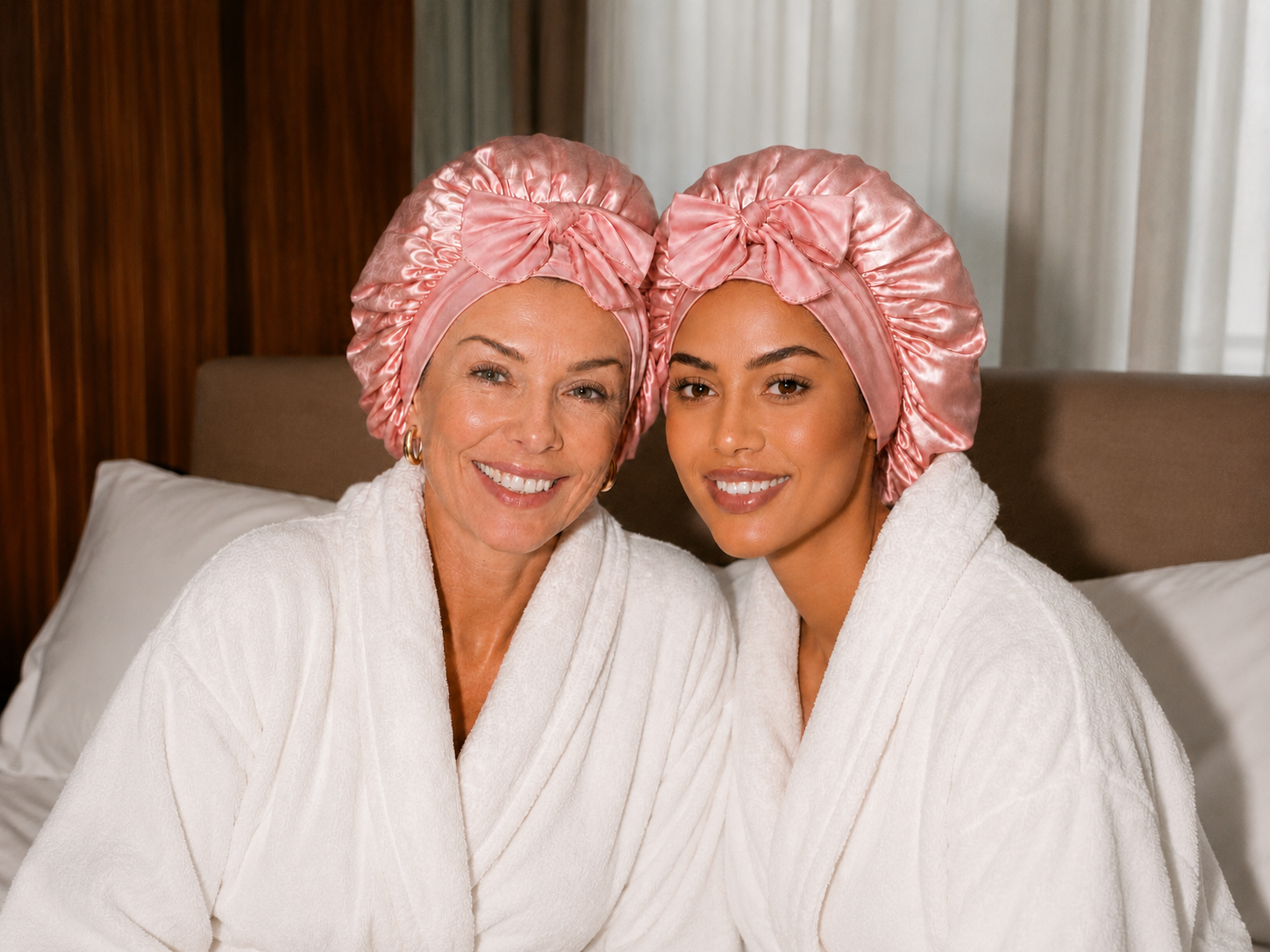
The night asks different things of curls than it does of straight hair; you need softness that keeps shape and moisture, not friction. If you wake to frizz and faded coils, think first about what shields your hair while you sleep. A satin bonnet can be the quiet guardian that preserves curl pattern and keeps ends tucked and safe.
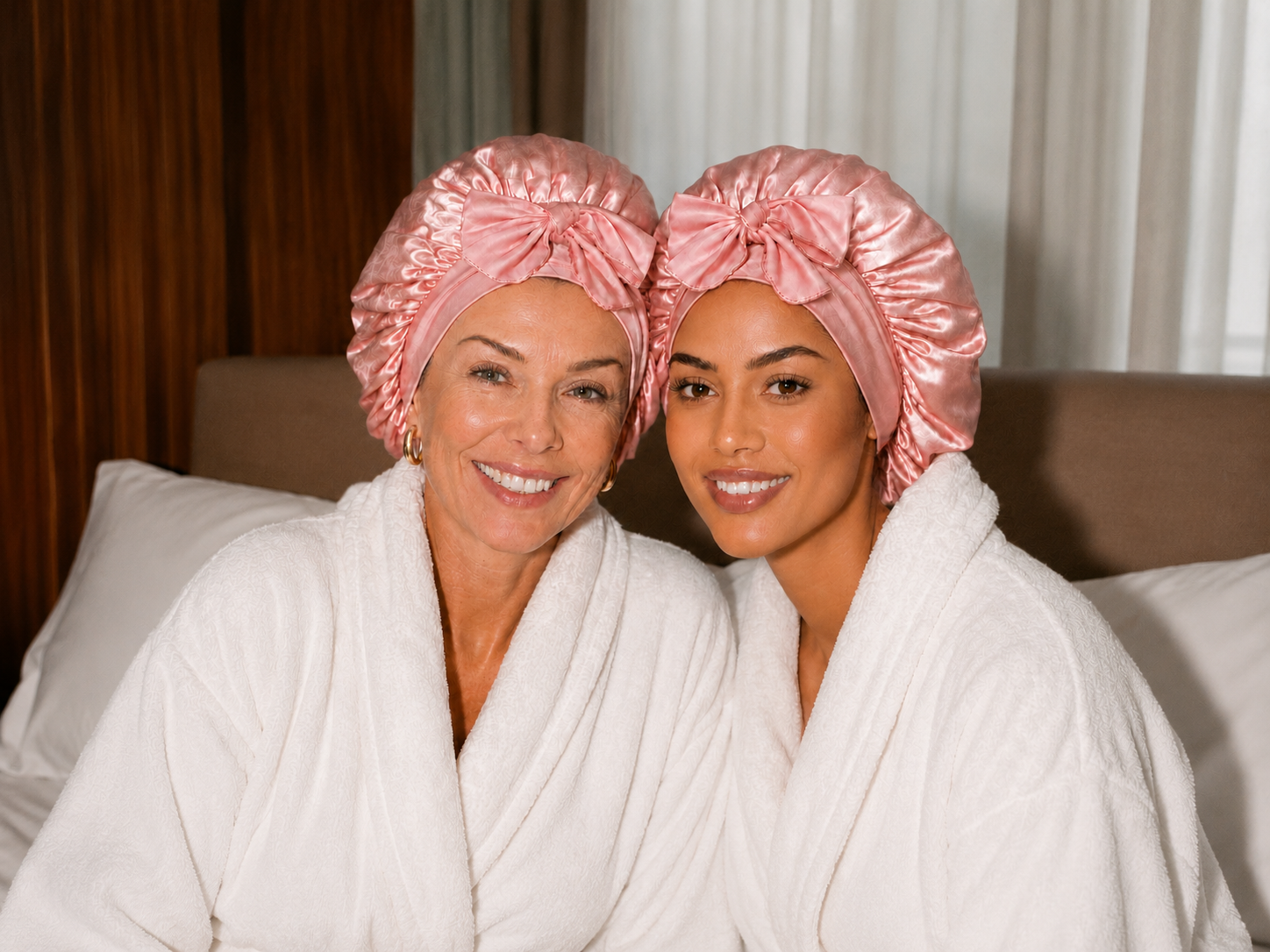
Tell me what you want — and I’ll match the tool
You want defined curls in the morning, fewer snapped strands, and a routine that fits real life. Start by naming your biggest night-time problem: flattening at the pillow, loss of moisture, or tumbling tangles. Pick a barrier that answers that single problem. For flattening, a looser tie-band bonnet that cradles hair works; for moisture retention, a smooth, non-absorbent surface like satin or mulberry silk matters most.
What I’ve seen and learned with clients
I’ve worked behind wash-basins and in styling chairs around Cardiff for over a decade; hands-on time with textured hair taught me to trust plain results over pretty promises. Clients who swapped cotton for a gentle wrap reported less breakage within weeks. When salon advice aligned with simple nightly habits, curls kept their shape and colour held better. For example, stylists in city salons often recommend a tie-band option for readers who move in sleep — the balance of hold and ease matters more than the label. Many professionals at regional hairstyling meetups and client consultations point to the same practical choice: a stable, gentle cover like a satin hair bonnet reduces friction and preserves moisture.
Common mistakes that undo good intentions
Don’t wrap too tight. Tension at the roots stresses hair overnight. Don’t assume all satin is equal; cheap synthetic finishes can pill, causing snagging. Skipping maintenance is another trap — oils and product build-up on a bonnet rub back onto hair and defeat the point. Finally, mismatch between bonnet size and your hair volume leads to slipping or crushing; measure your crown and choose accordingly.
Choosing between pillowcases, bonnets, and wraps
Pillowcases sit passive; they work best if you’re a light sleeper and prefer not to feel a headband. Bonnets protect through movement — they’re the choice for tossers, active sleepers, and anyone who wants edges shielded. Wraps and scarves can be elegant but demand practice to tie evenly. Each option answers a specific user story: if you need motion-proof protection, pick a bonnet; if you want minimal touch and easy laundering, a silk pillowcase may suffice. Test one change at a time to see real effects.
How to use your chosen sleep ally effectively
Twist or pineapple your hair gently before tucking it into the bonnet. Use a leave-in moisturizer sparingly at the ends, not at roots. Wash bonnets weekly on a gentle cycle and air-dry — this keeps the fabric smooth and stops oils from building up. Replace bonnet liners if they show wear; a smooth interior surface is the protective feature, not the brand name.
When alternatives matter more than materials
If you’re seeking long-term curl health, consistent habits beat one-off upgrades. A well-fitting satin bonnet nightly outperforms an expensive pillowcase used sporadically. For delicate edges, combine a satin bonnet with a satin scarf under the bonnet for layered protection. If you travel, a compact tie-band style offers reliable results without fuss.
Nighttime care should be simple, precise, and tailored. Choose a protective shape that suits how you sleep, keep fabrics clean and soft, and avoid tightness. These small, thoughtful moves bring back visible curl definition and reduce breakage. Practical experience, quiet tests, and reliable materials point to consistent wins — the kind you’ll notice each morning when your hair still feels like yours, a result that aligns naturally with what yanibest curates for steady, honest nighttime care.