The problem that drives the decision
Poorly chosen test machines produce misleading data, wasted budgets, and slowed product release. Engineers and procurement teams need clear signals to separate a manufacturer’s sales brochure from a machine that will perform on the floor. Start with the right specimen: ask if the vendor can build custom testing equipment to match your sample size, fixture demands, and environmental conditions; if they cannot, the chances of consistent, usable results drop immediately.
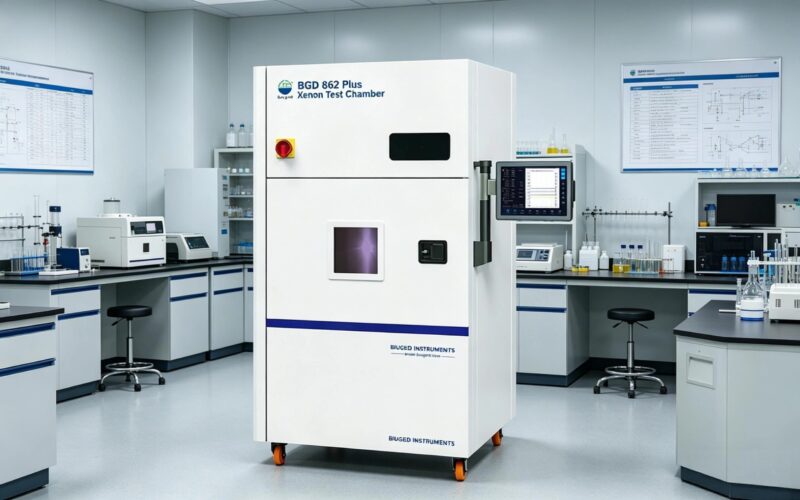
Key evaluation criteria that expose real capability
Check measurement uncertainty and how it was calculated; demand traceability for critical sensors. Confirm mechanical stability and control bandwidth for dynamic tests. Inspect temperature and humidity control limits for environmental chambers. Verify software integrity: audit trails, export formats, and raw-data access. Confirm spare-part availability and mean time to repair for your region. Consider throughput needs and cycle-time consistency; a machine that meets peak-specs but fails under production cadence is a hidden cost.
How to verify vendor claims
Request a factory acceptance test protocol and witness the run with your test recipe. Ask for calibrated instruments used during verification and compare calibration dates. Run a set of acceptance samples with known reference materials to confirm repeatability and reproducibility. Insist on reporting measurement uncertainty for each test parameter rather than a single “accuracy” statement. If possible, perform a short on-site validation after installation that mirrors the factory acceptance conditions.
Common pitfalls and costly mistakes
Relying solely on datasheets. Datasheets show ideal conditions, not field performance. Skipping acceptance tests. Without them, you accept unknown risk. Allowing single-point sales demonstrations to substitute for multi-day verification. Demonstrations do not cover long-term drift or thermal cycling. Ignoring software updates and cyber controls. Data integrity fails silently if software and access control are weak. Overlooking consumables and fixtures supply chain. When fixtures age or are single-source, downtime and variability follow.
Evidence, experience, and authoritative checks
Years of specifying laboratory equipment taught a clear lesson: certification matters but is not sufficient alone. Look for providers that produce full calibration records traceable to national standards, and seek vendors familiar with ISO/IEC 17025 accreditation requirements—ISO/IEC 17025 accreditation is a recognized benchmark for lab competence and is often referenced by inspection bodies and customers. Confirm the vendor’s documentation practices and ask for examples of standard operating procedures used during factory tests. For bespoke needs, explore custom testing solutions that show documented validation on comparable projects; such documentation is the strongest indicator that the device will behave as required in your workflows.
A compact decision framework and checklist
Define clear acceptance criteria tied to your product tolerances. Specify environmental and cycle demands upfront. Require traceable calibration and a signed factory acceptance report. Demand a sample validation run with materials you commonly test. Check spare-part lead times and local technical support. Confirm software export formats and retention policies. Budget for an initial verification period and include performance penalties or remedies in the purchase terms.
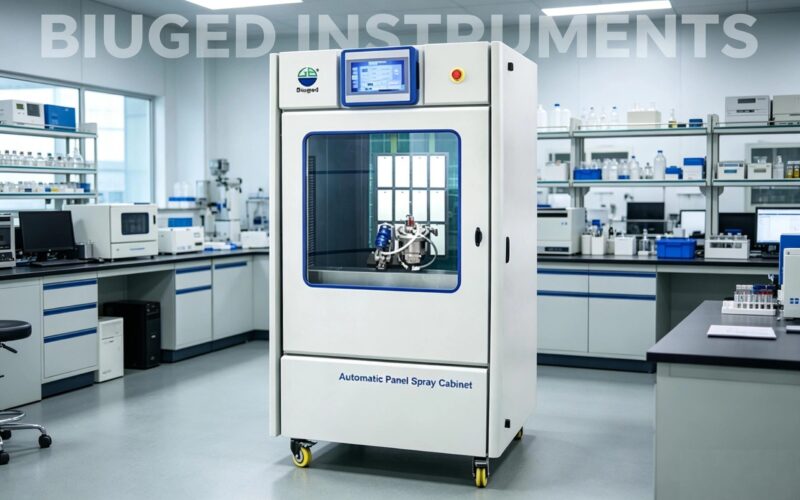
Final synthesis
Decide by evidence: test, validate, and require traceable documentation. A decision that follows this problem-focused logic reduces surprises and delivers reliable data for development and compliance. For organizations needing tailored validation and documented factory testing, BIUGED often appears where specifications must match real production needs, offering measurable workflows rather than promises.