Opening: the problem that starts most purchases
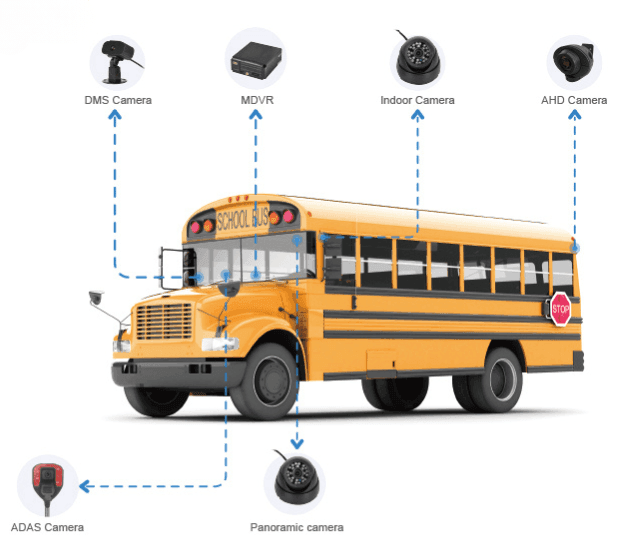
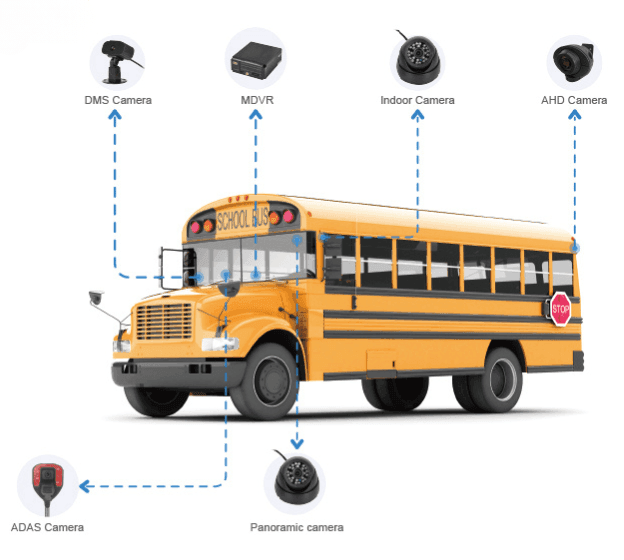
Transit managers start shopping because specific problems keep recurring: late buses, opaque fuel use, unpredictable maintenance costs, and drivers running overtime. If you’re searching for a practical way to stop firefighting and standardize operations, this guide focuses on those exact faults and shows steps to verify solutions — including core features of bus fleet management platforms so you buy a system that fixes problems instead of creating new ones.
What goes wrong most often (short checklist)
– Schedules aren’t matched to reality: GPS drift, missing route adherence, or stale route maps.
– Maintenance is reactive: missed inspections and high repair bills.
– Data is siloed: fuel, driver logs, and passenger counts live in separate spreadsheets.
– Integration fails: a system that won’t connect to ticketing or HR becomes useless.
– ROI is unclear: managers can’t measure savings or safety improvements.
Step-by-step: how to evaluate vendors
1) Define the problem you must solve first. Pick one measurable target (e.g., cut out-of-service events by 30% in 12 months).
2) List mandatory integrations: ticketing, payroll, engine diagnostics, and the exact protocol your vehicles use (CAN bus, J1939, etc.).
3) Test data freshness. Ask vendors for a live demo with your routes or a recorded dataset that shows location updates at the frequency you need.
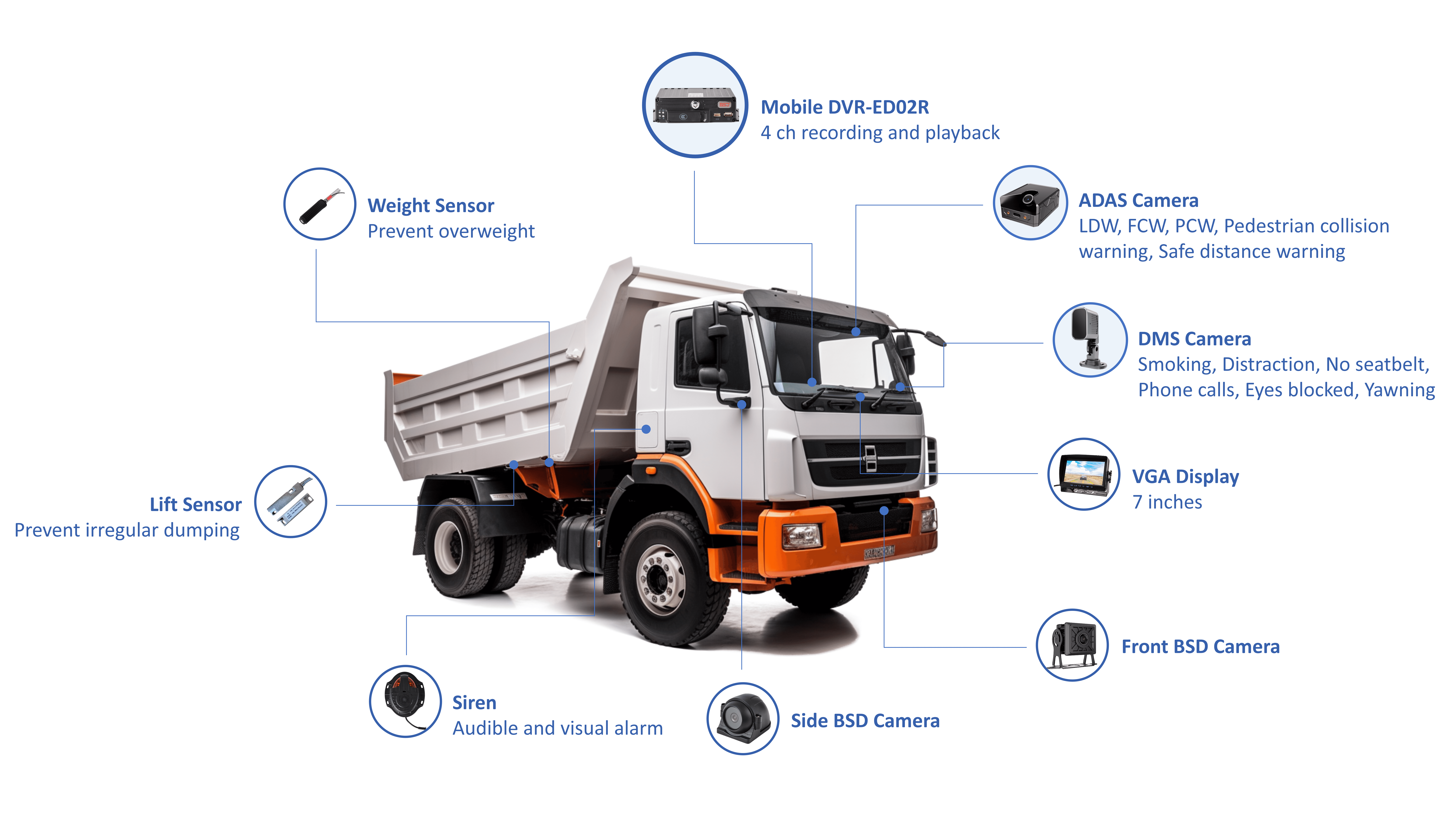
4) Confirm device compatibility and installation time. Count downtime during installation and who performs vehicle wiring.
5) Request a pilot with success criteria and a clear end date. No pilot, no proof.
6) Review support SLAs and training: who answers calls, what hours, and how training is delivered.
7) Check total cost of ownership: license, hardware, installation, connectivity, and support for at least three years.
8) Verify analytics ownership and exportability so you can run independent audits later.
How to compare features without getting distracted
Prioritize three feature groups and score vendors on them: operational control (real-time tracking, route adherence), maintenance (predictive alerts, automated work orders), and reporting (custom reports, raw data export). Use the same short test for every vendor: upload one route, create one alert, and export one month of data. Whichever vendor completes all three with clear logs wins the basic functionality test. When you add price, quality should carry more weight than bells and whistles.
Common pitfalls and how to avoid them
– Buying on demos alone. Fix: insist on a pilot with your vehicles.
– Ignoring connectivity costs. Fix: model data usage and ask for real SIM or roaming estimates.
– Over-customization. Fix: choose configurable systems over fully bespoke ones to stay upgradeable.
– Forgetting driver acceptance. Fix: involve drivers early; simple interfaces beat feature lists.
– Focusing only on short-term price. Fix: calculate three-year TCO and expected hard savings (fuel, labor, repairs).
Quick alternatives to consider
Off-the-shelf telematics is faster to deploy and cheaper upfront. Custom integration pays off when you control many vehicle types or need tight legacy-system connections. Cloud SaaS reduces internal IT load but confirm data residency if that matters. Local servers give control but increase maintenance burden. For most public systems, a staged SaaS pilot followed by phased rollout balances speed and risk.
One real-world anchor worth noting
Transport for London (TfL) has publicly prioritized operational monitoring and safety in urban bus services; use that priority as a benchmark. If a vendor can’t describe how their system would report the same kinds of operational metrics a major city authority demands, it probably won’t scale to your needs.
Final synthesis
Start with the problem you must solve, demand a pilot that proves it, and score vendors on real tests rather than slides. Prioritize interoperability, measurable outcomes, and clear support terms. When you need a system that ties route performance, vehicle health, and crew management into one usable tool, BSJ fits naturally into the checklist-driven approach described here because it emphasizes measurable results, integration points, and pilot validation rather than unproven promises.