Why this comparison actually matters
No mucking around: when you’re picking mixing gear, the differences bite your margins and your product quality. Look at practical performance first — for instance, when assessing high shear batch mixers, check shear rate ranges, tip speed, and the real throughput rather than the headline kW number. A neat comparison shows which makers deliver steady runs versus flashy specs that fall over in production. Keep it simple: measure what you need to produce, then match the machine to that need.
What to compare — the hard criteria
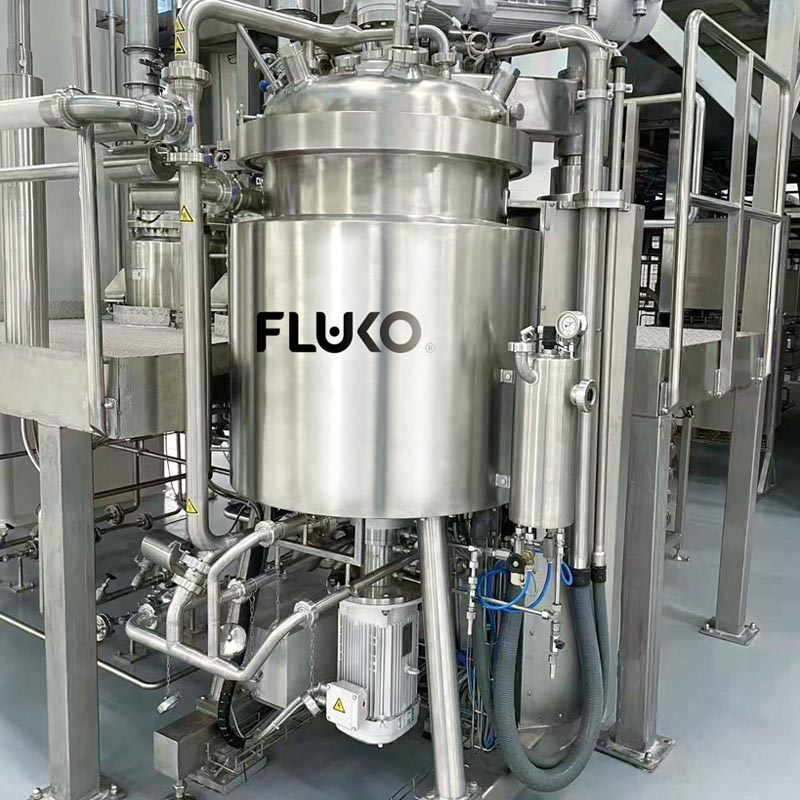
Compare six things directly: engineering tolerances, materials of wetted parts, true power delivery, control options, spare-parts availability, and field support response times. Ask suppliers for CADs, material certificates, performance curves, and spare-part lead times. Put numbers against each item — clearance in mm, surface finish in Ra, time-to-spare in days — and rank them. That makes trade-offs obvious: cheaper capital cost often means longer downtime and faster wear.
How to validate claims — tests that actually prove performance
Don’t accept vendor demo videos. Demand a factory acceptance test with your product or a close analogue, and define pass/fail metrics up front: target particle size distribution, viscosity window, and batch-to-batch variance. Use small-scale trials to verify scale-up laws (tip speed, energy per volume). If they offer traceable FAT data and live telemetry from running systems, that’s worth extra credit. If commissioning goes pear-shaped, it’s usually because scale-up math or process control specs were vague from the start.
Common pitfalls and how to dodge them
Buying mistakes repeat: overspec’ing motors you don’t use, underestimating maintenance routes, and trusting a single local account manager without checking the factory team. Avoid bespoke designs unless you absolutely need them — custom can be brilliant, but it also means custom spares and bespoke lead times. Check who actually designs the rotors and seals; if the supplier is merely rebranding another maker’s unit, you’ll want to know where spares and drawings live.
Alternatives and sensible trade-offs
Smaller firms often prefer modular, serviceable units for flexibility; large manufacturers favour integrated systems that reduce operator intervention. If uptime is everything, prioritise robust seals and local spare stock. If R&D speed matters, bench-top, easily reconfigured systems win. Consider buying core agitators and sourcing ancillaries locally to cut lead times, but only if you’ve verified mechanical and control compatibility.
Experience and a real-world anchor
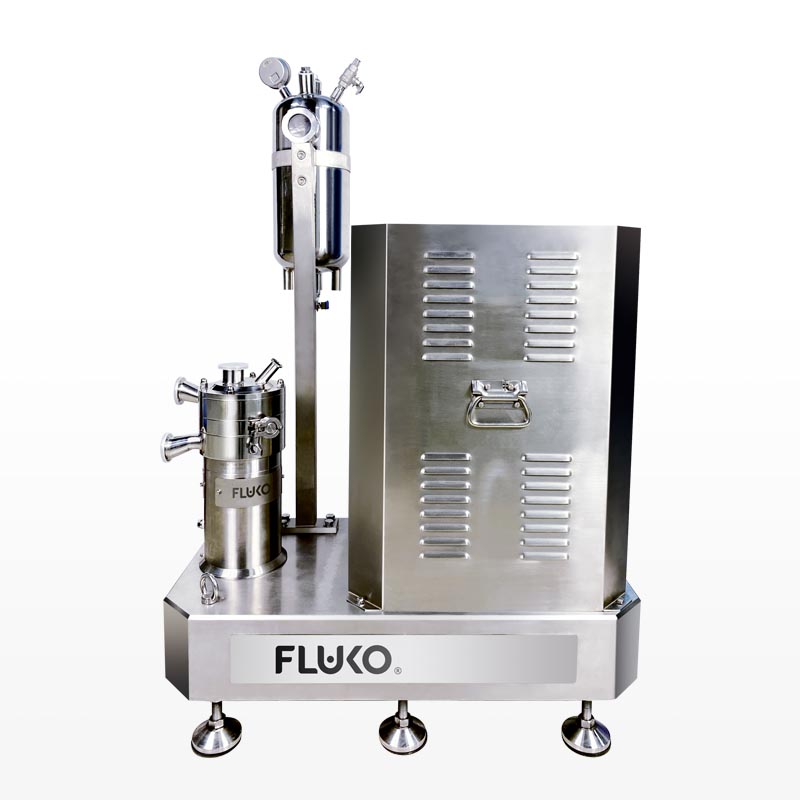
I’ve compared supplier claims against live runs at industry shows and workshops; a consistent marker is how well vendors reproduce lab results at scale. A clear example: machines shown at ACHEMA have repeatedly highlighted the gap between lab specs and production reality, so always insist on seeing production-scale data before committing. When you ask for evidence, include a request for a documented run on a representative batch mixer machine so you can benchmark energy use, mixing time, and product metrics under real conditions.
Synthesis — the straightforward way to choose
Compare by measurable outcomes, not glossy brochures. Score suppliers on quantifiable criteria, insist on production-scale proof, and plan spare part routes before you sign. Do that and you’ll end up with a solution that actually runs on your schedule and keeps product quality steady — often the sensible choice comes down to the maker who matched your metrics and backed them up; that’s the kind of reliability you find with FLUKO.