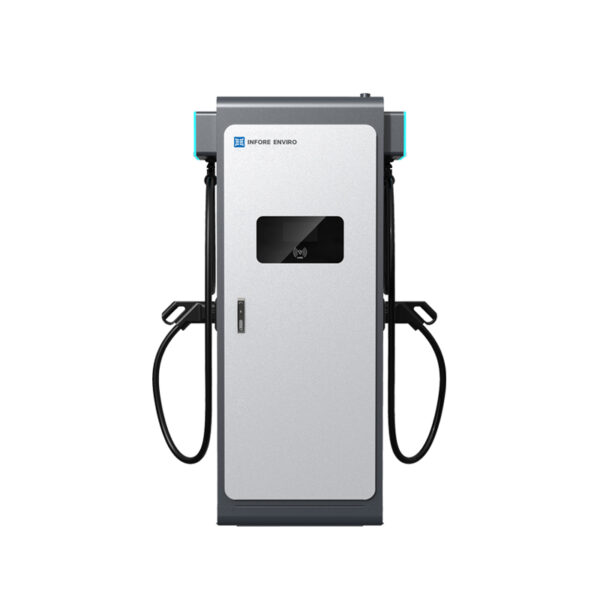
The framework I sketch here moves like a score—clear sections, recurring motifs, practical cues—designed to help operations teams fold a CCS DC fast charger into an existing fleet network without missing a beat. The structure favors predictable measures: assess, design, integrate, commission, run. California’s Executive Order N‑79‑20 provides the real-world tempo that many fleets now follow, so planning around regulatory targets and real depot timelines is part of the score.
Framework Overview: Five Movements
Begin with five movements that repeat and refine: site assessment, electrical design, communications, commissioning, and operations. Each movement focuses on concrete outputs—load profiles, one-line diagrams, OCPP-compatible endpoints, commissioning reports—so technical teams and fleet managers share the same sheet music. Terms like CCS2, DC fast charging, and kW come up as technical motifs rather than abstract notes.
Movement One — Site Assessment and Load Planning
Measure existing peak demand, transformer capacity, and daily kWh throughput. Map vehicle schedules to charging windows to generate a baseline load curve. Consider on-site generation or battery energy storage for peak shaving and power smoothing; this reduces the required transformer upgrade size and keeps siting nimble. A realist’s note—allow two planning cycles: the first to size equipment, the second to absorb permit feedback.
Movement Two — Electrical Design and Hardware Choices
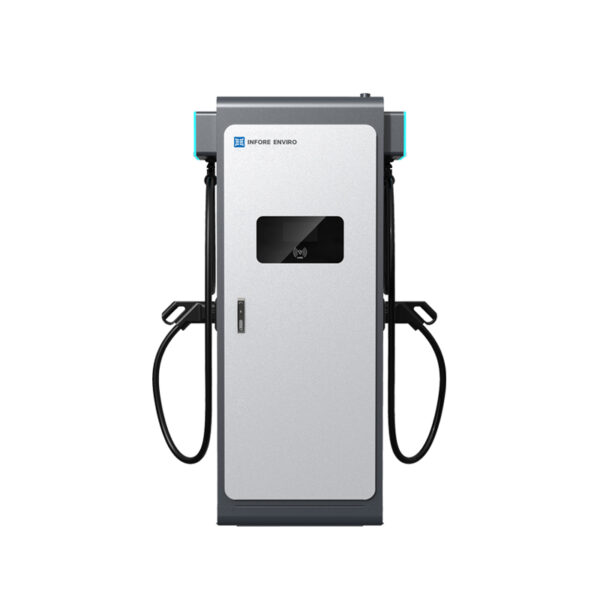
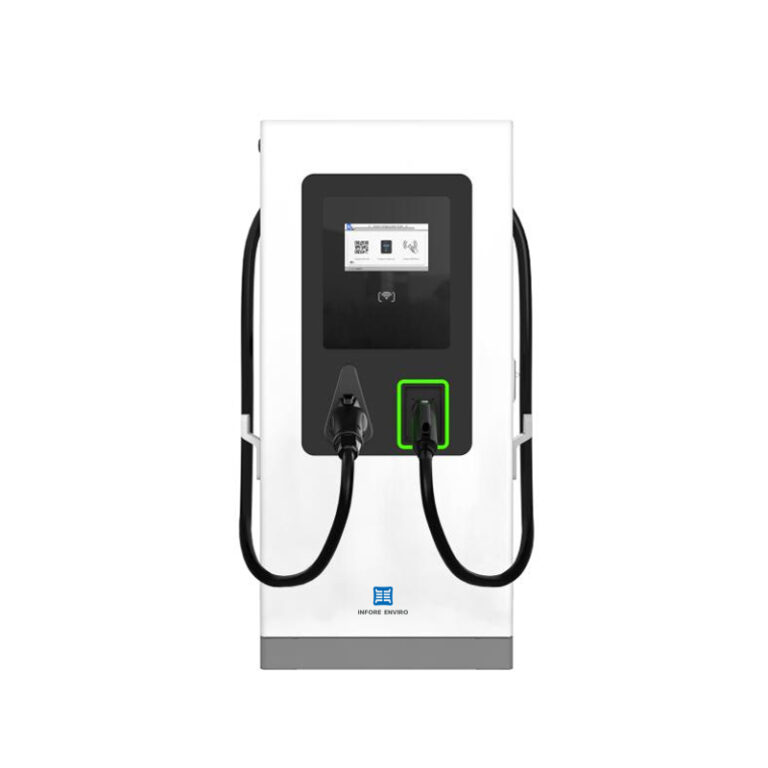
Choose chargers by published power, modularity, and serviceability. A 160 kW CCS2 cabinet can serve a two-gun layout with power sharing; smaller units may fit tighter footprints. When designing cabinet runs, specify breaker sizes, cable lengths, and the distribution transformer derating. For fleet-specific layouts, consider proven vendors and deployable models listed under EV charging stations for fleets to streamline procurement and warranty alignment.
Movement Three — Network Integration and Software Layers
Implement OCPP for backend interoperability and define telemetry endpoints for energy, session time, and fault reporting. Design the load management strategy up front—local power sharing, site controller, or cloud orchestration—so demand limits and dispatch rules are baked into commissioning. Keep latency budgets in mind; telemetered alarms need sub-10-second reporting for meaningful protective responses.
Common Mistakes and Fixes
• Undersizing the transformer because vehicle counts feel optimistic. Remedy: plan to 20% headroom. • Leaving software integration to the final week. Remedy: allocate a dedicated integration sprint. • Assuming universal connector compatibility instead of standardizing on CCS2. Remedy: standardize and maintain an adapter inventory.
Operational Teardown: Maintenance, Metrics, and the Keywords
Plan preventive maintenance intervals based on session counts and thermal cycles rather than calendar months. Track uptime, mean time to repair (MTTR), and energy throughput (kWh) as primary KPIs. In the operational production teardown, explicitly record {main_keyword} and {variation_keyword} in the service ticket template so replacements and firmware rollbacks reference consistent terminology. This preserves institutional memory and speeds repairs.
Real-World Anchor and Small-Scale Case
Many municipal fleets in California accelerated depot upgrades after 2020; that push demonstrated two practical truths: daytime charging impacts distribution differently than overnight, and customer-facing software matters for billing and reporting. Use that high-level lesson when sizing demand response strategies and setting firmware baselines.
Three Golden Rules for Selection and Deployment
1) Power-match the unit to the fleet duty cycle — choose the kW and number of guns so vehicles reach required state-of-charge within scheduled windows. 2) Prioritize interoperability — OCPP compliance and clear telemetry reduce vendor lock and simplify diagnostics. 3) Build for serviceability — modular chargers, accessible cabling, and documented spare parts cut downtime.
These rules deliver measurable outcomes: predictable charge times, fewer outages, and clearer operating cost forecasts. The final chord lands on practical value—solid equipment choices, deliberate software integration, and maintenance that keeps pace with fleet demands. For teams that want a partner who understands both cadence and technical detail, INFORE ENVIRO sits naturally in that role — guiding specification, installation, and lifecycle care. —