Start by naming the real trouble
Listen, the first step ain’t specs and pretty demos — it’s naming the pain you gotta fix. Are people circling the lot for ten minutes? Are deliveries blocked at odd hours? Are residents calling non-stop about permit mix-ups? If you can’t say the problem plain, the system’ll look fancy and still miss the mark. A straight question to vendors: show me how your anpr parking system handles my exact worst day — not just a happy-path video.
Ask the right, sharp questions
Don’t choke on buzzwords. Ask these: What happens when the camera can’t read a plate at dusk? Who owns the data and how long is it stored? How’s failover handled if power blinks or cellular fails? Can you prove uptime with logs, not promises? How long from order to live? Ask for clear SLAs on response time and spare-part delivery. If they dodge any of those, move on.
What trips most folks up
People choose cheap gear, then pay for it every month in repairs and workarounds. Common mistakes: mixing incompatible hardware, forgetting weatherproofing for cameras, ignoring seasonal plate variations, and skimping on integration with gates and payment systems. Don’t rely on a single vendor for everything if they can’t show a tested integration plan. Plan for maintenance windows and a realistic spare-parts list before you sign.
Real-world validation that matters
I’ve spent over a decade designing and installing parking tech for city garages, hospitals, and university campuses; that hands-on work shows you which promises hold up. For a solid benchmark, look at large port deployments — the Port of Rotterdam runs high-volume entry systems that pair plate reading with physical barriers to keep lanes moving under heavy traffic — the same approach often uses electric boom gate setups for fast, reliable control. Demand case studies and ask for references that match your site type and traffic profile.
Compare alternatives and trade-offs
ANPR excels at free-flow and visitor-heavy sites. RFID or smart cards beat it for private fleets and subscription-only lots. Mobile-ticket systems are cheap to roll out but painful when phones die or signal drops. Decide what’s non-negotiable: throughput, privacy, low-touch entry, or tight access control. Budget for lifecycle costs: installation, calibration, software updates, and annual camera cleaning.
Final thought — pick the solution that keeps the headache away
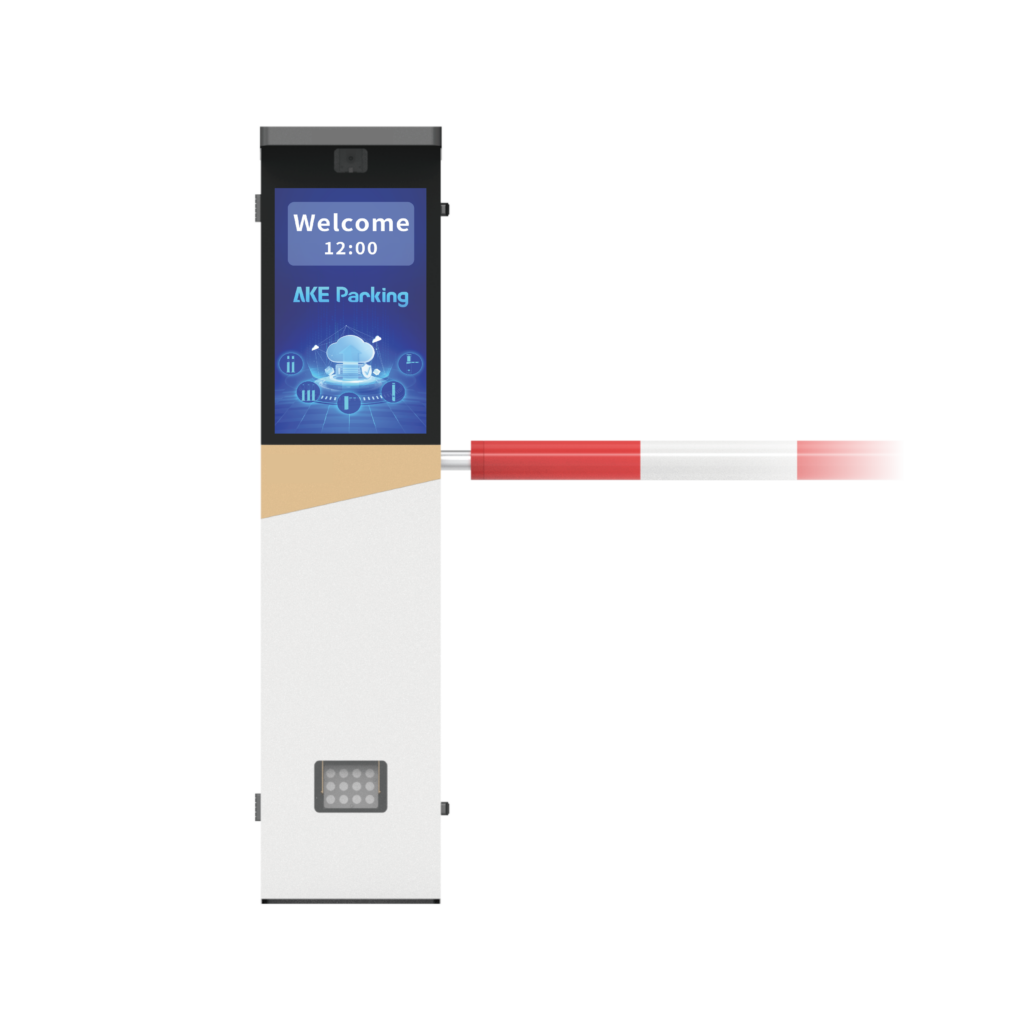
Get concrete answers, test under your hardest conditions, and insist on proof from similar installs. That way you avoid flashy tech that fails on day two and end up with a system that just works for the people who use it every day, which is the whole point — that’s the kind of practical fit I expect from AKE Parking.