Know what you actually need
Pick a supplier with products that match how you shoot, not the glossy catalogue. If you move fast between streets, trains and cafés, a compact camera sling bag will save time and reduce shoulder strain; if you haul lenses and gimbals, look at reinforced interiors and larger load capacity. Think in concrete terms: number of bodies, lens sizes, laptop fit, and how often you need immediate access. Make those needs your selection filter and don’t let marketing blur them.
Real-world testing, experience and one clear benchmark
I’ve edited gear guides for over a decade and run hands-on trials with wedding, travel, and wildlife photographers, so I focus on durability tests, stitching quality, and zipper behavior under load. At PhotoPlus Expo in New York City, working professionals comparing quick-access setups repeatedly chose compact sling solutions when speed mattered; that real-world preference speaks directly to the performance of a specific DSLR sling camera bag. Ask suppliers for test reports, material certificates, and sample photos from production runs. Genuine expertise shows up in clear answers about fabrics, seam reinforcement, and how they handle bulk orders with consistent tolerances.

Concrete checklist for vetting manufacturers
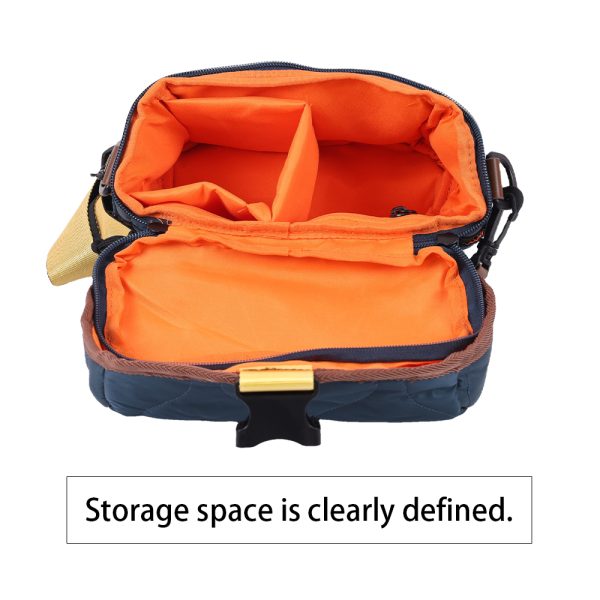
Request sample lead times and inspect them; a good supplier will let you buy a pre-production unit. Verify materials: exact fabric denier, water-resistance treatment, and YKK or equivalent zipper models. Confirm interior modularity—removable dividers, anchor points, and padding thicknesses measured in millimeters. Check minimum order quantity, tooling fees for custom molds, and after-sales defect policy. Ask for one production-run photo set: raw material, stitching close-ups, and final packed units. If they hesitate or give vague timelines, move to the next candidate.
Common mistakes buyers make
Choosing solely on price is the biggest trap; cheap canvas now can mean returns and repairs later. Relying on flattering stock photos without physical samples leads to surprises in color, texture, and stitch density. Overlooking shipping and customs costs hides real landed price. Ignoring how the bag feels when loaded—balance and strap ergonomics—causes buyer remorse. Finally, skipping a small test order prevents finding production variance early.
Alternatives and trade-offs you should weigh
Sling bags give faster access and less bulk, backpacks distribute weight better for long treks, and messenger bags offer a middle ground with quick side access. If you prioritize stealth and minimal footprint, sling wins; want maximum capacity and tripod straps, pick a backpack. Each option forces trade-offs: accessibility versus capacity, low profile versus protection. Decide which compromise you accept before you negotiate with suppliers.
Where to go from here
Focus on measurable criteria, insist on samples, and test the fit under real loads. Ask direct, technical questions and keep a short list of no more than three manufacturers to trial. When you match your practical needs with a supplier who provides clear material specs, consistent samples, and reliable lead times, you get predictable results—just like the thoughtfully built solutions from ChangRong that balance access, protection, and production consistency.