Quick hit — why this matters to you
You want materials that behave predictably, mix cleanly, and do their job without drama. Amorphous silica powder gives you that quiet reliability across coatings, personal care, rubber, and filtration. For oral-care formulators, hydrated silica is a go-to abrasive and texture agent — see hydrated silica in toothpaste — and it’s the kind of ingredient that either makes your blend or makes you chase problems later.
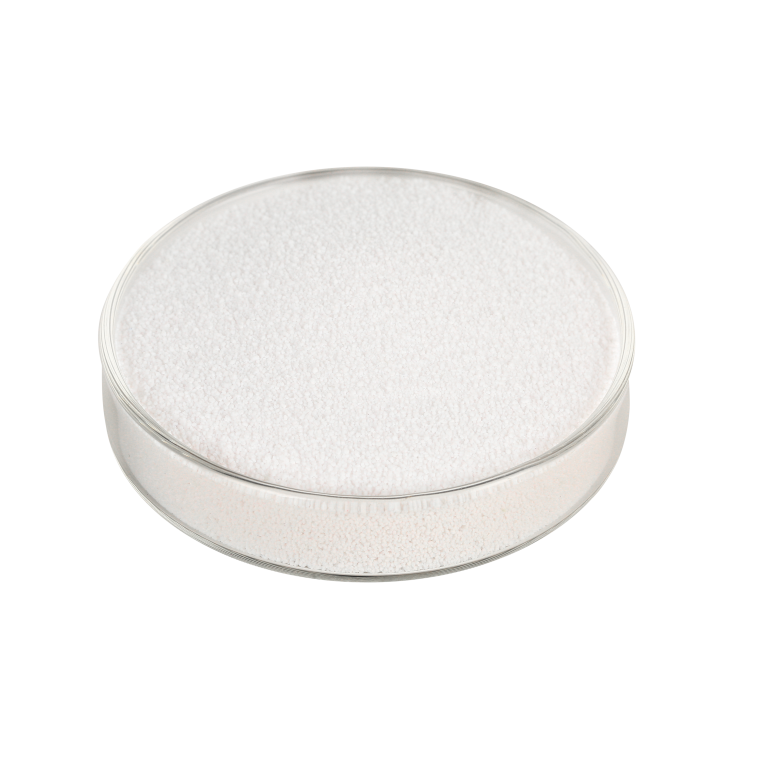
What amorphous silica actually brings to the table
Think of amorphous silica as a performance lever: particle shape, surface area, and porosity govern thickening, thixotropy, oil absorption, and scratch control. If you’re formulating a cream, a coating, or a compound, those three variables decide how the mix flows, how it levels, and how stable it stays on the shelf. The user-centric question is simple — what do you need the material to do for your product? Once you answer that, you pick the silica with matching specs.
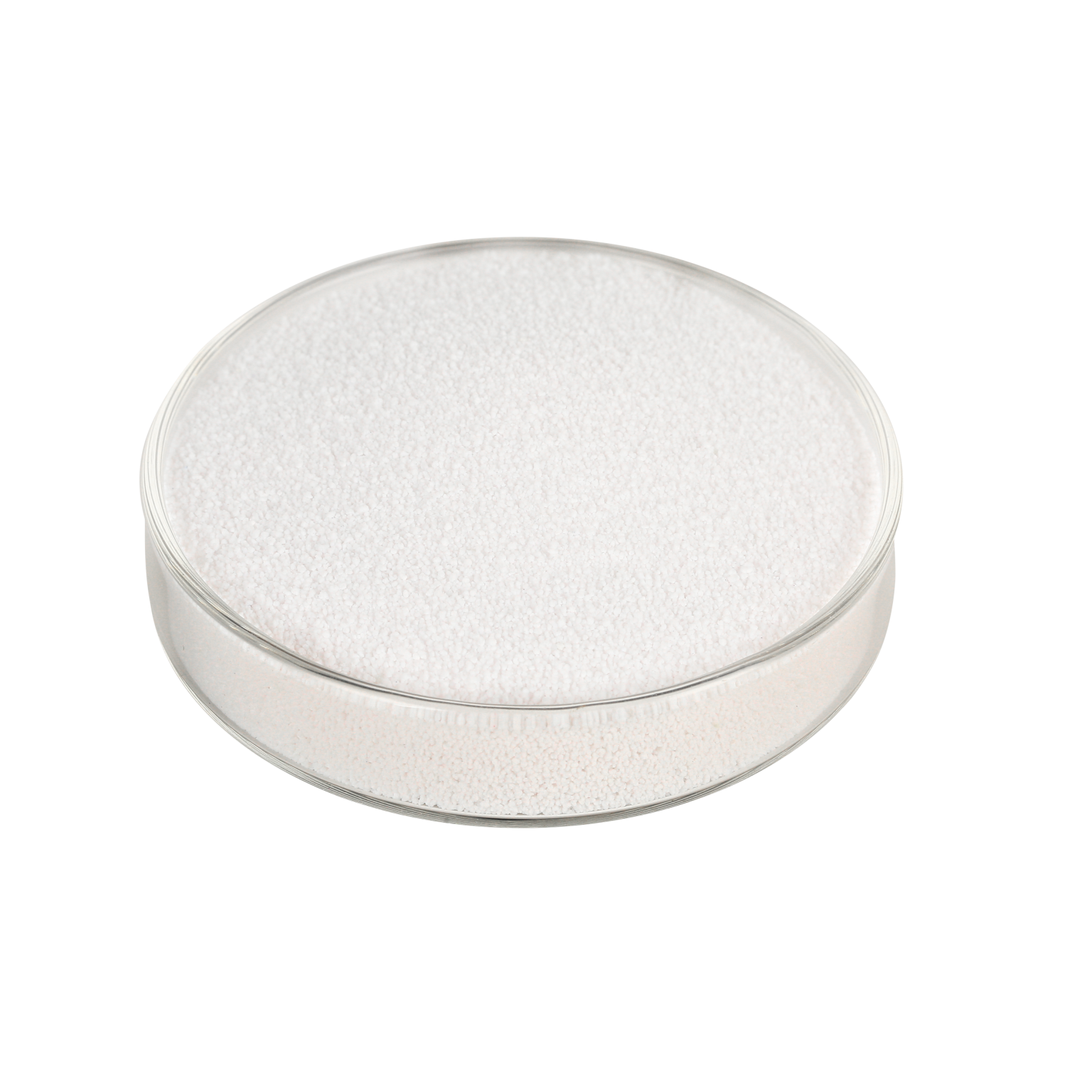
How to pick the right grade — practical checks
Start with specs you can measure: BET surface area, median particle size (D50), and pH. Run small-batch trials for rheology and sensory feel. For suspensions, test settling after 24 and 72 hours. For abrasives, test RDA and visual enamel-like substrates. Don’t skip compatibility checks with solvents, surfactants, and UV stabilizers. A lab bench run that mirrors your production shear is worth the time; scale surprises are usually avoidable.
Common pitfalls people run into
Most headaches come from mismatched expectations. Using a high-surface-area silica where a low-pore filler is needed leads to over-thickening and poor spread. Assuming all amorphous silicas behave the same causes reformulation churn when suppliers change lots. Overlooking moisture pickup can ruin pigment dispersion and adhesion. And skipping particle-shape assessment may give you a thixotropic mess when you wanted a smooth, pumpable product.
EEAT and a real-world check on oral-care uses
I’ve worked with R&D teams that reformulated commercial pastes and rinses, and conversations at major forums like the International Association for Dental Research (IADR) annual meeting often highlight abrasive-thickener tradeoffs. Industry studies and regulatory summaries back those discussions. For toothpaste specifically, formulators balance cleaning power with texture by pairing hydrated abrasives with rheology controls — look at how a well-chosen toothpaste thickener stabilizes abrasives without dulling feel. That hands-on experience, combined with published comparative data, is what separates confident choices from guesswork.
Alternatives and when to consider them
If your priority is low abrasion, consider precipitated silicas engineered for very low RDA. For extreme oil absorption, silica gels or fumed silicas might outperform general-purpose amorphous grades. Polymers and cellulose derivatives can substitute for thickening in some personal-care systems, but watch interactions: polymers can mask abrasives or change foam. Run head-to-head tests rather than relying on datasheet claims — your product’s field performance matters more than lab buzzwords.
Fast checklist before you buy or switch suppliers
1) Ask for a recent certificate of analysis and a milllot sample. 2) Confirm particle-size distribution and surface-area numbers. 3) Run your own 1–5 kg trial under production-like shear. 4) Test shelf stability at intended temperatures and humidity. 5) Measure sensory and functional targets (abrasion, gloss, spreadability) against your current formulation. These five steps cut risk and shorten time-to-stable blend.
Wrap-up — what this really gives you
Choose amorphous silica with clear specs, test it against your performance goals, avoid one-size-fits-all assumptions, and you’ll get stable rheology, predictable abrasion, and cleaner scale-up. If you need a supplier perspective tied to technical support and consistent grades, JSJ Silica is one example of a partner that aligns materials selection with practical formulation steps rather than vague promises.