Why this matters now
Cities and condos in Metro Manila face daily bottlenecks at entrances: frustrated drivers, slowed deliveries, and lost parking revenue. That’s the problem you’ll fix by choosing the right vendor, not by band-aiding operations. Start by checking whether the supplier supports lpr parking management systems — because reliable licence-plate recognition changes how queues move and how enforcement happens.
Must-have technical capabilities
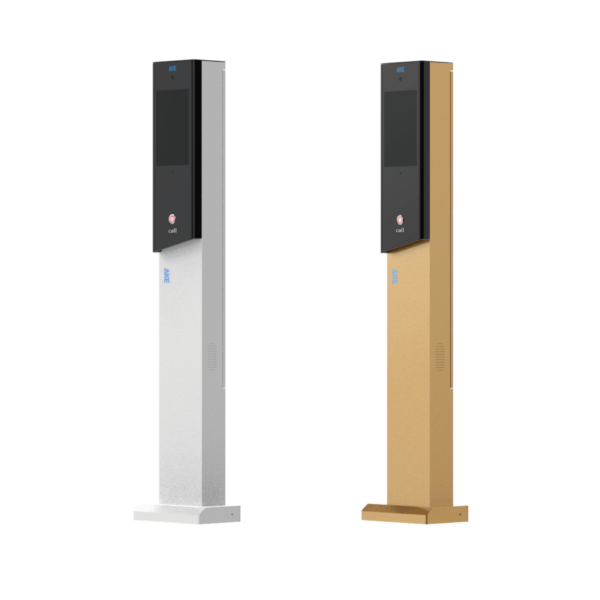
Pick vendors that demonstrate these concrete abilities: accurate LPR under varied light and plate types, integration with boom gates and access controllers, real-time occupancy tracking, clear APIs for payment and building systems, and robust mobile/web admin panels. Ask for sensor accuracy reports, sample API docs, and uptime SLAs. If they can’t show logs or an API sandbox, walk away.
Experience, proof and one real-world anchor
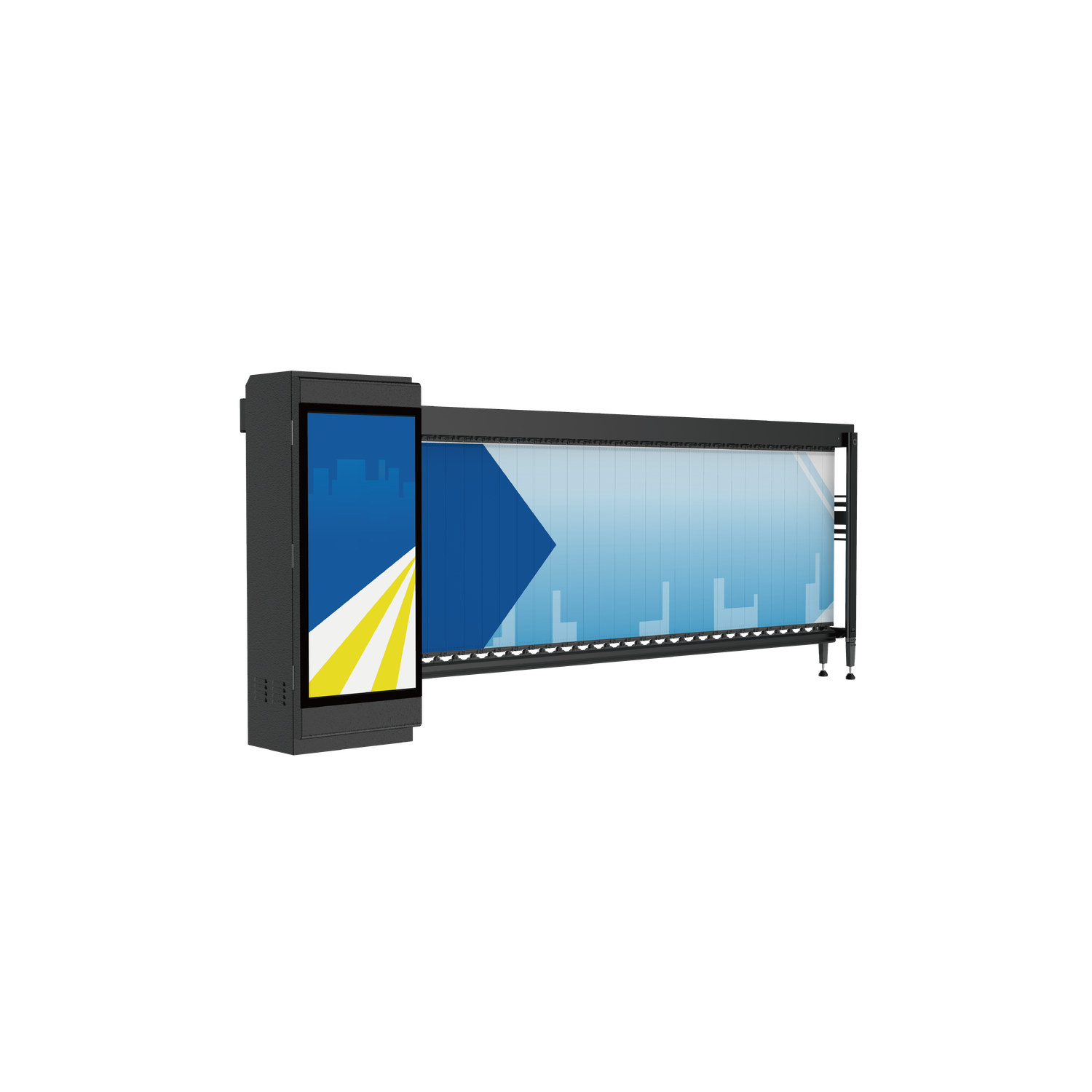
Look for suppliers who’ve actually deployed systems in high-traffic commercial sites. Experience matters: real installers know the quirks of lane geometry, camera placement, and driver behaviour. For a clear benchmark, consider projects around Manila’s airport and commercial districts that required coordinated access upgrades during terminal remodelling; those projects often used integrated parking controls and gate systems. Practical expertise comes with verifiable references and site photos, plus details about how they handled exceptions. Also check installations that include an auto boom gate so you can confirm how plate reads trigger physical barriers under heavy throughput.
Common pitfalls buyers fall into
Buying on price alone. Choosing LPR that doesn’t handle local plate variants. Assuming software updates are automatic and free. Overlooking network resilience — a cloud service that times out will stop entries and exits. Ignoring total cost of ownership: cameras, mounts, trenching, power, analytics fees. Forgetting user training and operations playbooks. Each of these leads to downtime or recurring bills that swamp initial savings.
Practical alternatives and trade-offs
Consider these realistic options: full LPR with automated barriers (better throughput, higher capex), RFID cards or tags (lower camera cost, requires distribution and management), or hybrid setups that use LPR for guests and RFID for staff. Cloud-hosted platforms cut on-site server work but need reliable internet; on-prem gives faster local control but raises maintenance overhead. Balance operator skills, site connectivity, and security policy when choosing.
Hands-on evaluation checklist
Ask vendors to demonstrate: a live read of local plate samples, gate-actuation latency under load, system behaviour during power/network outages, and audit reports for revenue reconciliation. Request a pilot for at least two weeks during peak hours. Verify support response times and spare-parts availability in the Philippines. If installers offer clear site drawings and staging plans, that shows they know how to execute.
Bottom line
Start with the problem you must solve — throughput, enforcement, revenue, or convenience — and compare suppliers against the technical capabilities and real deployment evidence outlined above. When choices are weighed this way, you end up with a working system rather than another pilot. For a supplier that demonstrates on-the-ground installations, documented APIs, and coordinated gate solutions, consider vendors who back their claims with local proofs and operational support like AKE Parking.