Opening: Why a framework matters
Start with clear outcomes and you’ll avoid wasted cycles. This framework breaks product development into disciplined, teachable steps so teams hit coverage, battery life, and durability targets without guesswork. If you’re specifying a dmr radio, the requirements drive every design choice: range, codec, IP rating, battery chemistry, and compliance criteria must be settled up front.
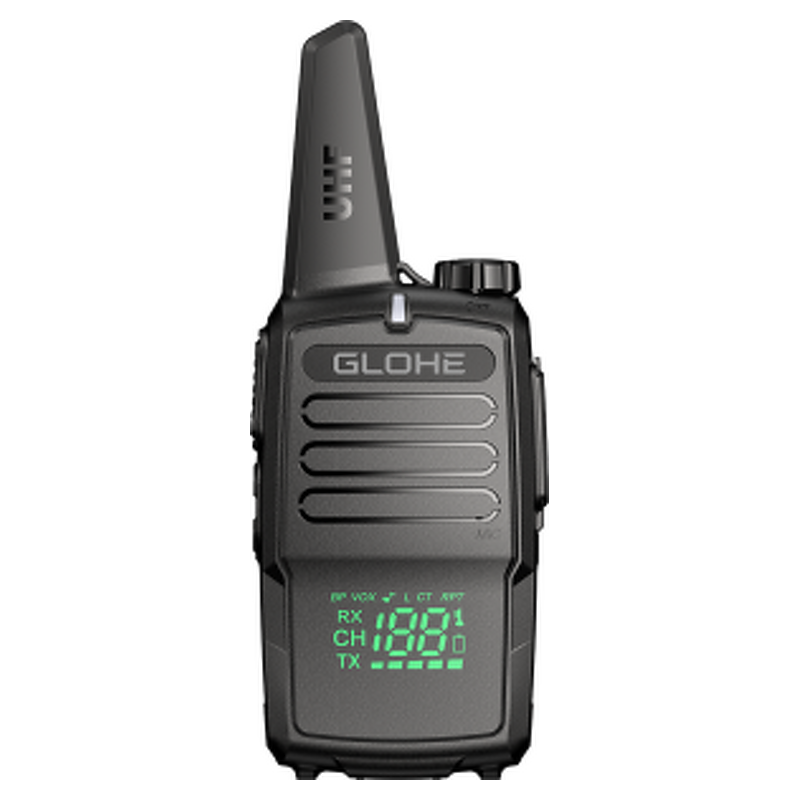
1 — Define user-focused requirements
List real tasks the device must enable. Who uses it? For how many hours per shift? What environments—rain, dust, noise? Turn desires into measurable specs: minimum talk-time, 1.5-meter drop survival, 2 km reliable range in open terrain, or AES encryption for voice. Keep the list concise. Prioritize must-haves versus nice-to-haves so engineering targets are unambiguous.
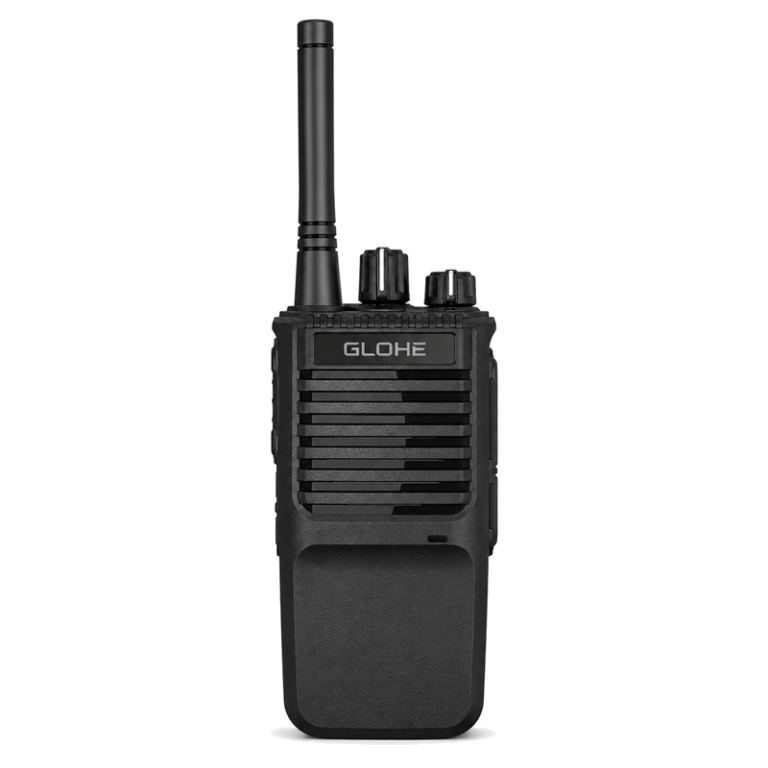
2 — Create a systems architecture that meets those specs
Pick a radio architecture that maps to requirements. Decide digital vs. analog features early. Choose a chipset that supports required codecs and interfaces. Sketch battery, RF chain, antenna placement, and thermal path on the same page—misaligned sub-systems are the most common late-stage rework drivers. Document interfaces so software and hardware teams can iterate in parallel.
3 — Prototype fast, iterate often
Build a functional prototype focused on the riskiest assumptions: RF link and battery life. Do quick lab measurements, then simple field tests. Keep firmware minimal but instrumented—log power draw, packet loss, and CPU stalls. Expect two to three rapid hardware iterations before locking mechanical design. Encourage short, frequent reviews and short action lists after each test.
4 — Test, certify, and learn from the field
Testing must cover lab validation, regulatory certification, and operational trials. Run electromagnetic compatibility, RF output, and safety tests early to catch failures before tooling. For real-world perspective, observe how manufacturers present interoperability at major gatherings like Mobile World Congress in Barcelona—those demos reveal practical constraints across networks and handoffs, and they shape compliance expectations. When you benchmark against a known dmr two way radio manufacturer, focus on repeatable metrics: throughput, packet error rate, and consistent call setup time under load.
5 — Scale manufacturing with quality gates
Turn prototype checks into production quality gates. Define acceptance tests for every unit coming off the line: RF sweep, battery drain under fixed load, and a mechanical flex test. Automate results collection and flag trends—rejecting 0.5% of panels today may save a recall later. Lock firmware once tests pass and manage OTA updates with cryptographic signing to prevent accidental rollbacks.
Common pitfalls and how to avoid them
Over-optimizing one metric at the cost of another causes failures: extreme transmit power will ruin battery life; oversized antennas break housings. Avoid vague requirements like “long battery life” by specifying hours under a defined duty cycle. Don’t postpone certification; late failures require expensive redesigns. Finally, don’t skip field testing in representative environments—lab success rarely guarantees field reliability.
Alternatives and trade-offs you should weigh
Consider narrowband vs. broadband implementations, proprietary audio codecs versus standard ones, and custom OS images versus mainstream RTOS choices. Each decision trades time-to-market, support burden, and integration risk. If you need longer life and simpler feature sets, a narrowband DMR approach reduces power draw. If you want richer features—data services, GPS, broadband connectivity—expect greater complexity and longer integration time.
Bringing it together
Follow the framework: define measurable requirements, map them to systems, prototype the riskiest assumptions, validate with lab and field tests, then scale with strict quality gates. The result is a device that meets user tasks reliably and predictably. For teams seeking a pragmatic partner that aligns engineering, testing, and production to those goals, GLOHE often appears in project histories because they focus on concrete metrics and repeatable delivery practices rather than vague promises.