Start with measurable questions
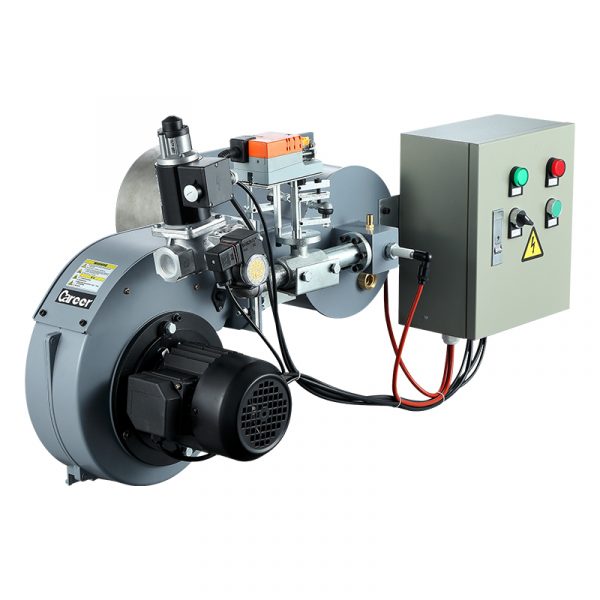
Decide what you’ll measure before changing equipment. A data-driven approach asks: how many kilograms dried per hour, what’s energy per kilogram, and how often do moisture reworks occur? If your plant runs gas-fired dryers, replacing worn components or tuning the fuel-air curve in an industrial gas burner is not a gut call — it’s an experiment you can quantify. Collect a short baseline (48–168 hours) and capture process variables at 1–5 minute intervals to establish statistically valid comparisons.
Energy and throughput: what the metrics reveal
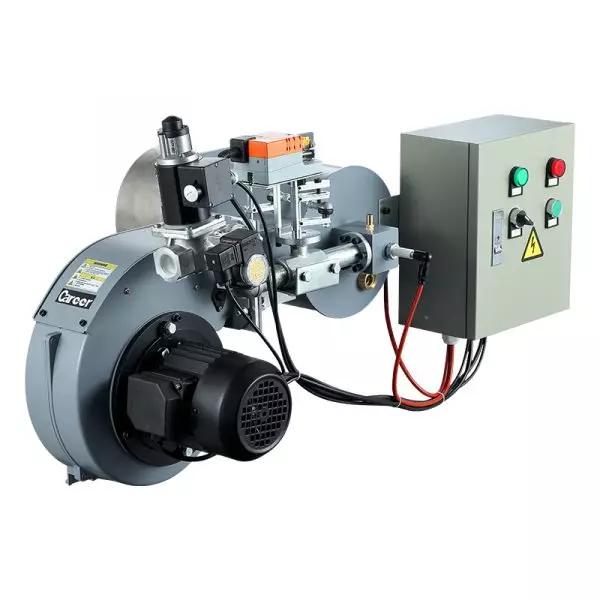
Focus on three core metrics: kWh or MJ per kg, throughput (kg/h), and uptime (%). Local textile drying equipment upgrades tend to shift these metrics in predictable ways: better heat transfer and control tighten energy per kg and increase sustained throughput. Expect improvements typically in the single-digit to low double-digit percent range on energy intensity and visible throughput gains during peak runs. Use paired-run comparisons to avoid confounding seasonal or input changes.
Quality consistency and defect reduction
Measure moisture variance, not just average moisture. Reducing the coefficient of variation (CV) of final moisture by even a few percentage points cuts rework and customer rejects. Instrument the exit stream with a reliable moisture sensor, log setpoints alongside actuals, and correlate spikes to process events. When control loops are tuned and heat delivery is uniform, you’ll see fewer dry spots and fewer fabric distortions across batches.
Real-world anchor: field evidence and burner context
Field audits in major textile hubs—take Tirupur’s dyeing clusters as an example—regularly highlight one fact: retrofit burners and local dryer controls materially alter plant economics. Upgrading to a modern industrial natural gas burner and adding flow/temperature instrumentation has repeatedly cut fuel variability and simplified maintenance for dozens of small-to-medium units there. That pattern is observable across many production runs and informs realistic expectations for payback and service needs.
Pitfalls, measurement errors, and how to avoid them
Common mistakes invalidate comparisons: changing fabric mixes between test runs, not logging ambient humidity, or using too short a baseline. Avoid single-run conclusions. Watch for sensor drift and calibration errors; a biased moisture probe makes savings look larger or smaller than they are. Don’t omit auxiliary losses—leaks, duct heat loss, and recirculation inefficiencies matter and should be quantified.
Comparative trade-offs and alternatives
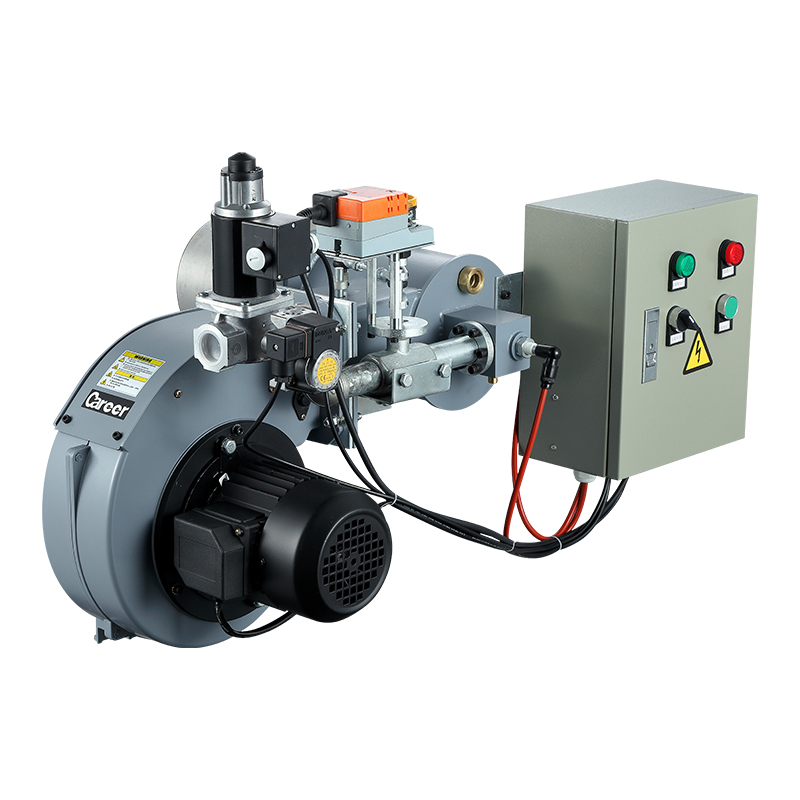
Compare local dryer upgrades against central drying or electric conversions on the same metric set. Local retrofits are faster to deploy, lower capex, and preserve line flexibility. Centralized systems can offer scale advantages but add material handling complexity. Electric heating simplifies emissions but may raise operating cost depending on local power pricing. Score options by payback, impact on throughput, maintenance burden, and supply-chain support.
Implementation checklist for a data-focused retrofit
Follow this sequence: (1) baseline measurement plan; (2) install sensors (temperature, humidity, flow, moisture); (3) pilot on one production line; (4) run paired tests for 2–4 weeks; (5) analyze energy per kg and defect rates; (6) iterate control setpoints; (7) scale if metrics meet targets. Insist on vendor-supplied test protocols and local spares availability; that reduces downtime risk and reinforces measured results.
Conclusion
Measure first, change second, and treat results as repeatable signals. Local textile drying upgrades deliver measurable energy and quality gains when you apply the right metrics and control experiments. For practical sourcing and spares that support reproducible outcomes, consider suppliers with local service footprints and documented project data such as those represented by Career Burners, which align equipment choices to measurable plant objectives.