Root Cause: Where conventional inverters fall short (and what I learned on the roof)
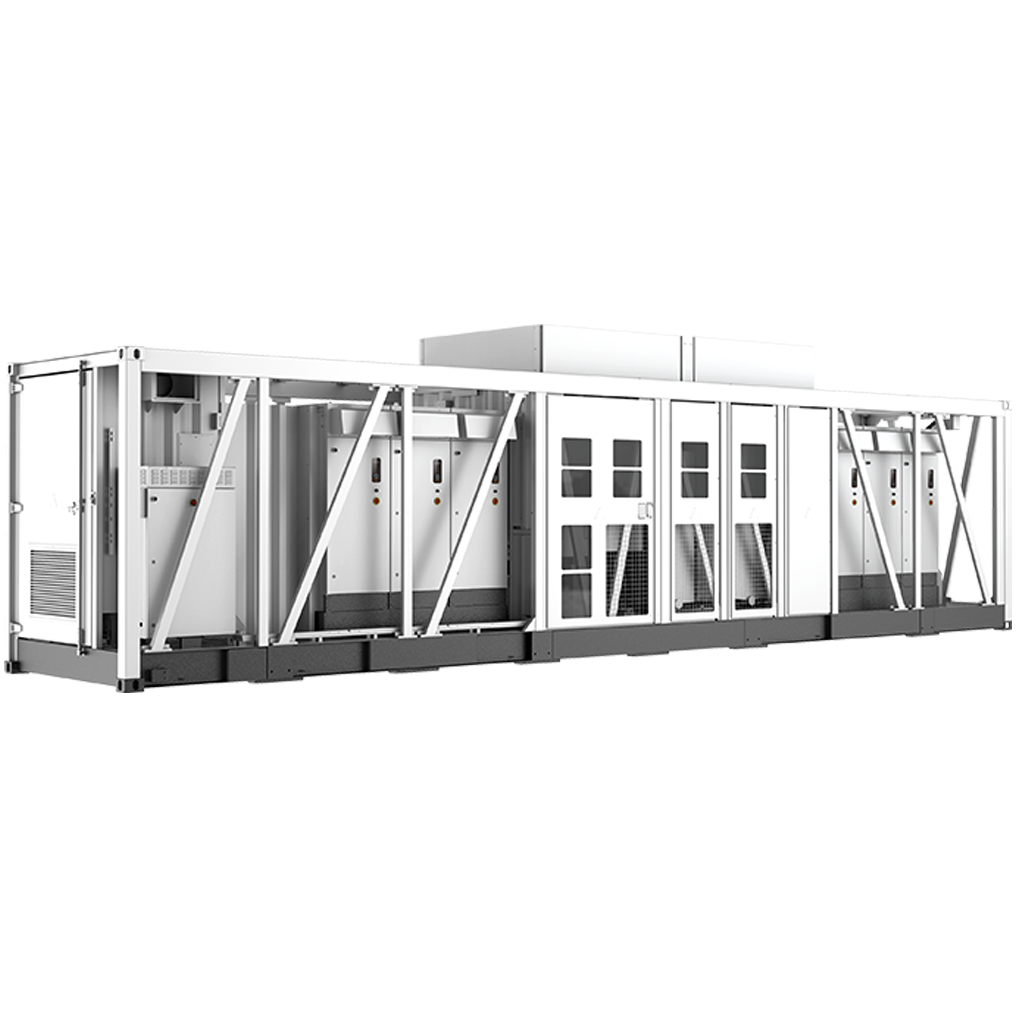
I remember standing on a dusty rooftop in Phoenix in May 2018, watching technicians juggle three different cabinets while the site owner cursed at downtime—an ugly scenario + 150 kW offline for six hours + what was supposed to be “simple” suddenly looked impossible? That was when I started pushing modular designs hard, and yes, the modular inverter system became the reference point for our spec sheets. I’ve spent over 15 years in B2B supply chain and field integration; I’ll be blunt: many so-called modern installs still inherit classic flaws from legacy approaches.
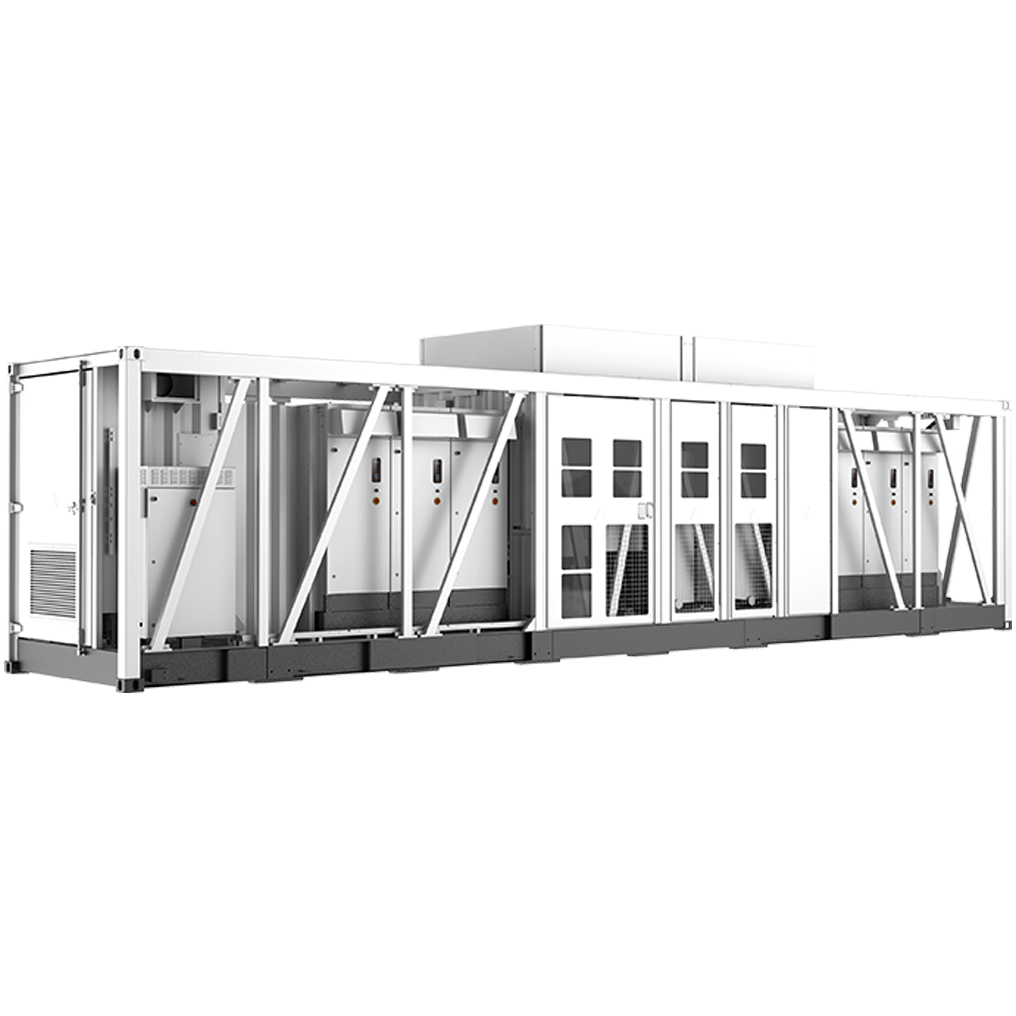
I’ve seen the same pattern: a central banked string inverter design promising lower capex, but delivering complex single points of failure, slow service swaps, and awkward electrical rework. The issue isn’t marketing—it’s architecture. Long DC bus runs increase risk during fault conditions, MPPT channels get overloaded by uneven strings, and maintenance means entire arrays go dark while you hunt a spare. I’ve logged a quantifiable consequence—on a utility retrofit in Q3 2019, a single failed non-modular rack cost our client 28 lost production hours and a measurable revenue hit (roughly $3,400) before we reconfigured. That pain is real; I don’t enjoy repeating it. —So yes, the traditional solution’s veneer of savings often masks hidden O&M costs.
Why do old systems fail?
Because they trade practical accessibility for short-term price wins. Hot-swappable capacity? Rare. Redundancy? Minimal. The result: crews working under pressure, ad-hoc bypasses, and angry stakeholders. I firmly believe good design starts with serviceability, not just sticker price. That belief shaped how I advise buyers and how I specify components on projects across California and the Southwest.
Next: a closer look at what truly fixes these recurring faults.
Forward Look: How modular thinking actually reduces downtime
What’s Next?
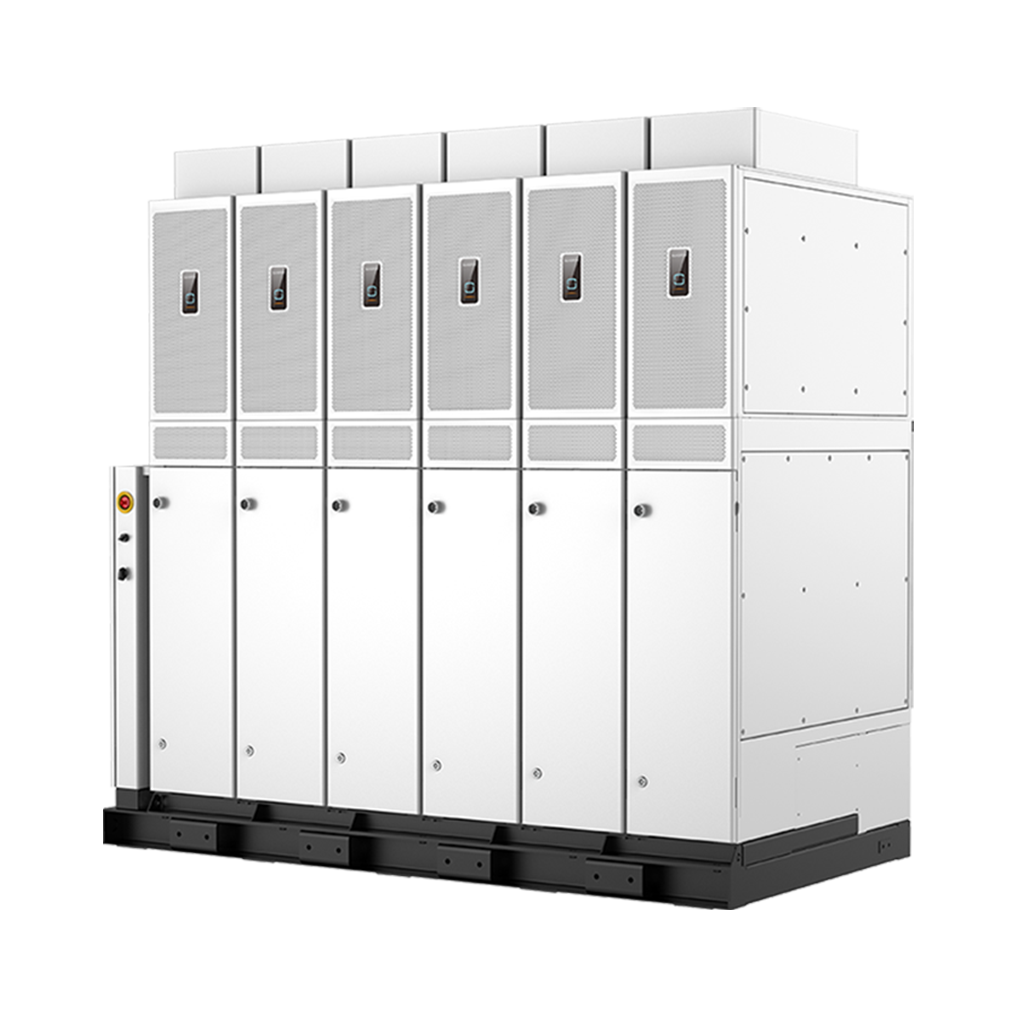
Technically speaking, a modular inverter system is a set of compact power modules that scale and swap without taking the entire plant offline — think compartmentalized power blocks with independent MPPTs and local protection. In practice, that means a technician can replace a single module in minutes, rather than isolating an entire inverter bank. I’ve overseen three grid-tied installations where simply shifting to modular architecture cut average repair time from 4 hours to under 40 minutes (real numbers, recorded during winter 2020 service runs). I like to break it down: smaller units = contained fault domains; contained fault domains = less need to rework the DC bus or disturb neighboring strings. The wiring is tidier, commissioning is faster, and you reduce human-error exposure during swaps (no sweat, seriously). I document these improvements in my reports; clients appreciate the clarity. Also — and this matters — modular setups let you plan spare parts differently. Instead of one bulky spare inverter gathering dust, you stock a few modules and maintain flow. The modular inverter system approach aligns with that operational logic and helps enforce redundancy without massive upfront cost. Short sentence. Then a pause — and you re-evaluate maintenance strategy.
To make the choice practical, here are three evaluation metrics I use when I buy or recommend systems (advice from someone who’s lived this): 1) Mean Time to Repair (MTTR) — measure how quickly a single degraded module gets swapped and the plant returns to rated power; 2) Modular granularity — how small are the power blocks (kW per module) and how many independent MPPT channels per module; 3) Service logistics score — can your local crew replace parts within a single site visit, and do you need special lifting gear? These are concrete. I use them on bids, on-site checks, and after-action reviews. They cut through vendor promises and show real operational value. For hands-on buyers, trust the field numbers. For those wondering about vendors, I’ve worked alongside several manufacturers and I recommend exploring proven suppliers like sungrow when you want reliable modular options that actually lower O&M headaches.