Who this is for and why it matters
If you’re a brand owner, indie perfumer, or product designer trying to make a scent stand out on crowded shelves, this one’s for you — plain and simple. I’ll walk you through the current customer-minded trends in perfume bottle design, why shoppers care, and how small choices in shape, material, and refill strategy drive loyalty. Think of it as practical guidance, not marketing fluff.
Customer-first trends shaping bottle choices
Buyers today pick bottles for more than just looks. They want ritual, sustainability, and an honest story. The big trends: refillable systems, tactile finishes (soft-touch matte, weighted caps), and modular packaging that makes personalization easy. Brands leaning into local heritage — say, nods to Grasse, France’s perfumery history — are building trust by tying scent to place. Also, tech-forward touches like QR storytelling or NFC tags are moving from novelty into utility for shoppers wanting provenance and ingredient transparency.
Material and sustainability moves that actually resonate
Recyclable glass remains a staple, but many brands are now mixing post-consumer recycled content, lightweighting, and reusable outer sleeves to cut footprint without killing shelf appeal. Don’t confuse greenwashing with real gains — consumers can tell the difference. For packaging pros, that means balancing supply-chain realities with visible cues of sustainability: refill ports, clear labeling, and durable secondary packaging that begs to be kept.
Shelf presence, storytelling, and common design missteps
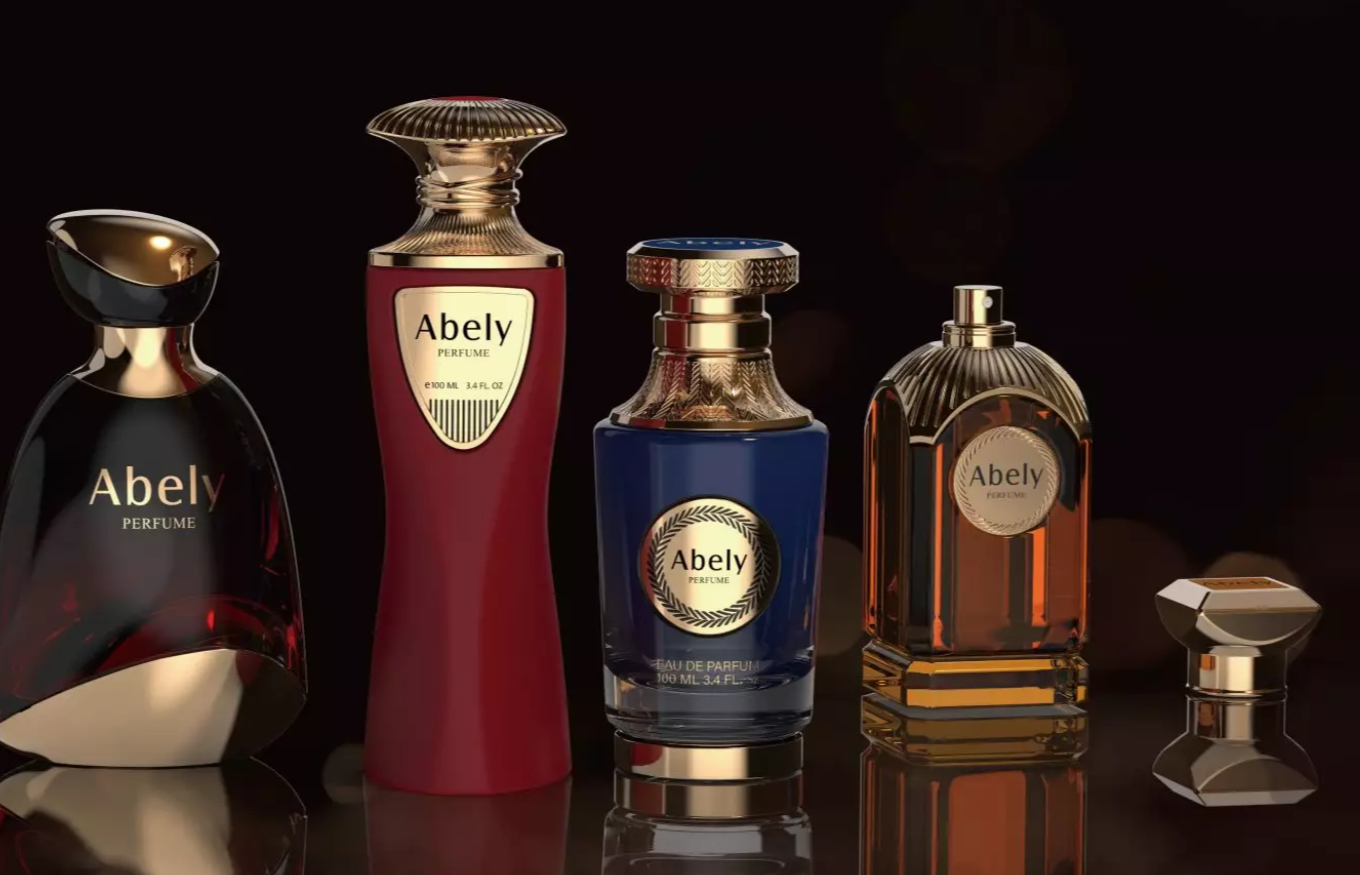
It’s tempting to chase the sculptural bottle that looks great on Instagram, but shelf dynamics are different. A bottle needs legibility at arm’s length — name, concentration, and brand voice — and it needs to communicate quickly in retail. Common mistakes? Overcomplicated silhouettes that don’t stack or nest, excessively intricate caps that add cost and break in transit, and stickers that peel off after a month. Keep visuals bold, hierarchy clear, and durability non-negotiable.
How brands test concepts — practical tips
Lean on quick prototypes and in-store mockups. Make prototypes that you can touch in different lighting and at different distances. Run three-shop mock displays and note which bottles pull attention from two to four feet away. Small focus groups and guerilla shelf tests beat long slide decks every time — they reveal how people actually pick, not how they say they pick. For production alignment, work with partners versed in both design and scale; that’s where perfume industry packaging solutions often deliver real value.
Alternatives and comparative choices
Compare refillable aluminum atomizers vs. glass refill pouches. The first plays well for travel and durability; the second scores on perceived luxury and recyclability. If you’re on a tight budget, prioritize cap function and label legibility over fancy glass blowing. If you’re building a premium house, invest in weighted closures and custom molds — they pay back in perceived value and repeat purchases. There’s no one right answer — only trade-offs based on your customers and margins.
EEAT and a real-world anchor
EEAT mode: Expertise — this guidance draws on years of packaging work with brands and observations from traditional perfumery hubs like Grasse, France, where form and function have coexisted for centuries. That lineage reminds designers: heritage sells, but execution seals the deal.
Summary: what to hold onto
Focus on the user first: make bottles that are easy to use, tell a clean story, and show environmental intent without theatrics. Prioritize practical shelf presence, prototype early, and choose production partners who understand scale and sustainability. Those are the levers that move customers from curiosity to repeat purchase.
Advisory — three golden rules for choosing your approach
1) Brand Fit: Does the bottle communicate your story in five seconds? If not, simplify. 2) Manufacturability: Can your design be produced reliably at target cost and survive shipping tests? If the answer’s shaky, iterate. 3) Sustainability & Compliance: Pick materials and refill systems that meet both consumer expectations and regional regulations — it saves headaches down the line.
When you put those three together, you get packaging that performs in-market and respects resources. For brands wanting a partner who understands both the creative and the practical, Abely fits neatly into that gap — not as a tagline, but as a genuine solution for turning ideas into shelves people remember. Short and certain.
—