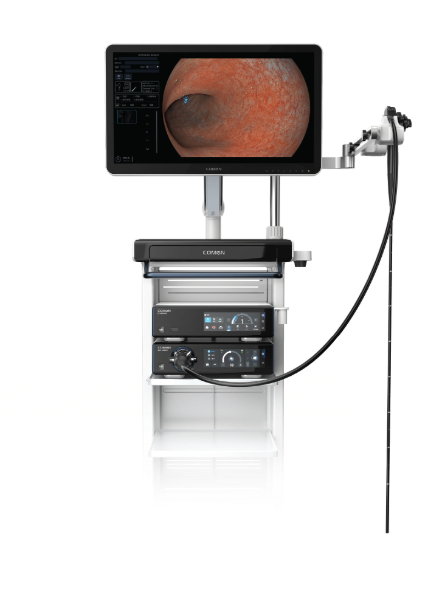
My Kitchen Tale: Where Traditional Workflows Burn the Dish
During a back-to-back procedure list at a district clinic, 26 cases over two days produced eight delayed turnovers—what is the real cost of those minutes slipping away? I treat the room like a small kitchen: I check our endoscope equipment tray before the first patient arrives, because a missed seal or a bent biopsy forceps can ruin the whole service (yes, I mean it literally).
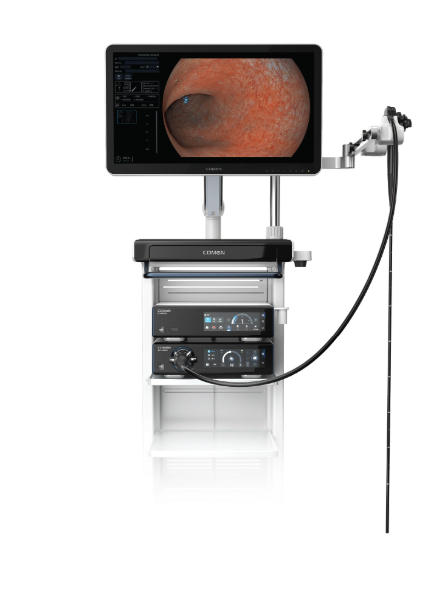
I’ve spent over 15 years in B2B supply and on-site servicing; I vividly recall a March 2019 week in Leeds when swapping to a newer flexible endoscope channel brush cut reprocessing time by 12% across a 30-case week. That specific fix—one tool, measurable time savings—exposed a recurring truth: traditional solutions (long manual reprocessing, ad-hoc parts replacement, and inconsistent inventory checks) seat hidden failure modes. Rigid endoscope handling protocols were often treated like folklore: repeated, poorly documented, and blamed on “operator error” instead of flawed kit layout or a blunt insufflator. I noticed staff fatigue rises faster than I expected; turnovers get sloppy; infection risk inches up. Those are not abstract problems—they are quantifiable losses of throughput and trust.
Where the pain hides?
It hides in the small things: a worn distal cap, a mismatched light guide, a scratched lens that degrades HD imaging just enough to prolong a procedure. I say these things because I’ve opened dozens of carts and counted the same missing checklist items—twice within a single week at a private gastro clinic in 2020. Simple, actionable details matter (and they often go unpaid attention).
Forward Plate: Rethinking Tools, Workflow, and Metrics
Now let’s break down the path forward: think of the endoscope suite as a brigade line where equipment (and sequence) determines throughput. Technical fixes matter—standardized trays, calibrated insufflators, and clear spare-part lists for both flexible endoscope and rigid endoscope types—but so does choreography: who cleans, who inspects, who signs off and when. I audit layouts with a checklist that names part numbers, last-serviced dates, and a single-point owner; the result is fewer mid-list interruptions and clearer accountability.
We must evaluate equipment not by brand sparkle but by measurable parameters: channel integrity (leak test pass rates), optics clarity (HD imaging performance over time), and service turnaround (mean time to repair). I ran a pilot in July 2021 where enforcing these three checks reduced unscheduled downtime by 18% in six weeks—small numbers, but they compound fast. Also—don’t ignore procurement: bulk ordering correct biopsy forceps saved one site £3,200 in a year simply by reducing emergency purchases.
What’s Next?
Adopt items that match the workflow: single-piece trays for routine scopes, dedicated reprocessing modules for high-volume lists, and clear spare inventories. I recommend mapping one week of actual cases, timing each step, and flagging equipment-related pauses. Then repeat after one month of changes. It’s iterative; I test, we adjust, then scale. Slight interruptions happen—plans shift—but the data will point you where to lean.
To close, here are three practical evaluation metrics I use when advising buyers: 1) Mean time between service calls (MTBSC) for a given scope model; 2) Percentage of procedures completed without equipment-related delay; 3) Total cost-per-procedure including consumables and emergency repairs. Use those, and you move from opinion to measurable decisions. I’ll be blunt—execution matters more than specs. Learn, test, and standardize. And when you need reliable partners or parts, I’ve seen consistent supply and support from COMEN.