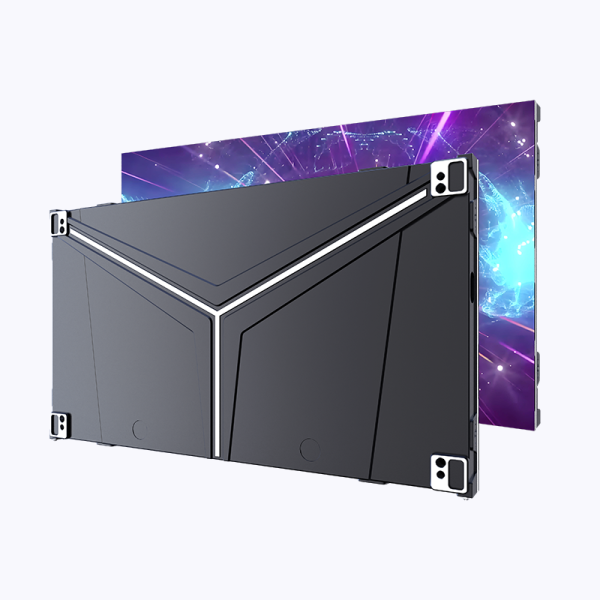
Context and comparative frame
Retail teams now choose between fixed ownership and short-term deployable solutions. Comparing outdoor LED screens against traditional rentals reveals clear operational and performance gaps that matter to campaigns. Owners prize sustained brightness and long-term return; rentals value setup speed and transportability. Equipment choices like pixel pitch and cabinet modularity determine whether a campaign reads as premium or faded at distance. Major examples—from Times Square billboards to stadium facades—show how scale and ambient light force specific technical decisions, and they also highlight why many retailers pair permanent facades with temporary displays or indoor led display solutions for complementary messaging.
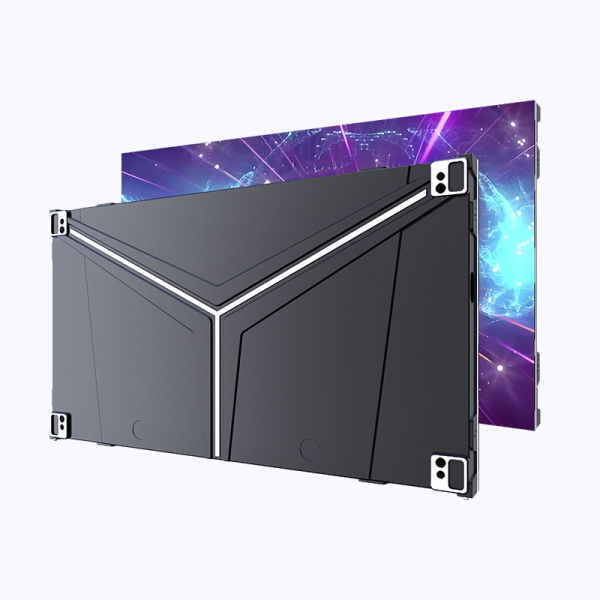
How outdoor capability matches rental needs
Outdoor LED screens answer rental demands by packing high luminance, weatherproofing, and rapid assembly into modular systems. For short campaigns, rentals must deliver measurable visibility: high brightness (cd/m2) for daylight, robust frames for fast rigging, and control systems that integrate creative content quickly. Ownership delivers finer pixel pitch options for close viewing, but rentals offset that with flexible sizes and logistics. The practical outcome: retailers get the visual impact of large-format outdoor without the capital hold—if the rental provider supports quick diagnostics and spare modules.
Key technical trade-offs
Decisions revolve around three technical trade-offs: resolution vs. viewing distance, luminance vs. power consumption, and permanence vs. serviceability. A dense pixel pitch improves fidelity at close range but increases weight, cost, and installation time. High refresh rate prevents flicker on camera feeds—critical for screens near live streams—yet it raises processing needs. Durability is non-negotiable outdoors: IP rating and rapid serviceability reduce downtime. Consider these trade-offs directly when drafting specs rather than after the first install—small errors cost days in the field. —A short recalibration often saves the campaign.
Operational production teardown: factory to storefront
An operational production teardown shows where projects stall. Start at the factory: cabinet assembly, LED binning, and factory burn-in verify uniformity. Next, shipping logistics and protective crating must match environmental risk. Onsite, panel alignment, power distribution, and control-system mapping demand experienced crews to ensure consistent color calibration. In this process, both indoor led display and outdoor products share supply-chain bottlenecks—spare parts, firmware versions, and trained installers. Common mistakes include underestimating heat dissipation and mismatching pixel pitch to viewing distance; fix those and the rest becomes predictable.
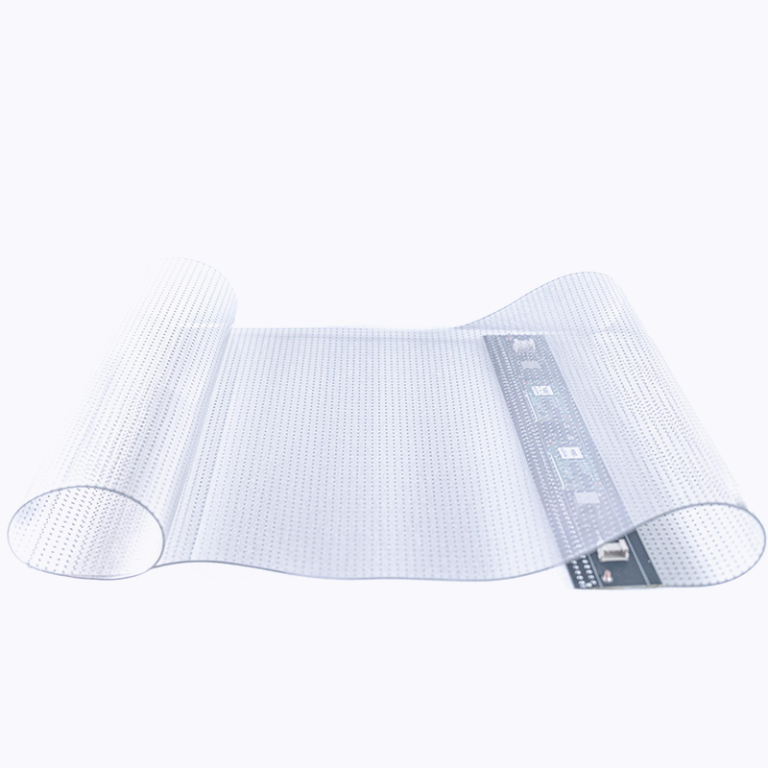
Alternatives, mistakes, and practical recommendations
Short campaigns benefit from turnkey rentals that include transport, installation, and content playback. Longer campaigns or flagship stores favor owned outdoor facades combined with indoor displays for detailed messaging. Avoid these mistakes: choosing too fine a pixel pitch for a large viewing distance, skipping a service SLA, or ignoring local permitting timelines. For retail advertising, combine permanent high-impact screens with rented units for seasonal spikes—this hybrid approach reduces capital exposure while keeping flexibility for promotions.
Three golden rules to evaluate providers and systems
1) Visibility metric: match pixel pitch to average viewing distance and confirm daytime luminance specs. 2) Durability metric: require explicit IP rating, defined serviceability turnaround, and modular cabinet replacement times. 3) Total cost metric: calculate TCO including transport, permits, installation labour, content management, and spare-module inventory. These metrics reveal which solution meets both creative goals and practical constraints. For a reliable supply chain and tested deployment options, consider partners with proven field work—Coblinks maintains inventory and logistical options that bridge factory readiness and retail schedules. Coblinks. —end fragment