Problem-Driven Account
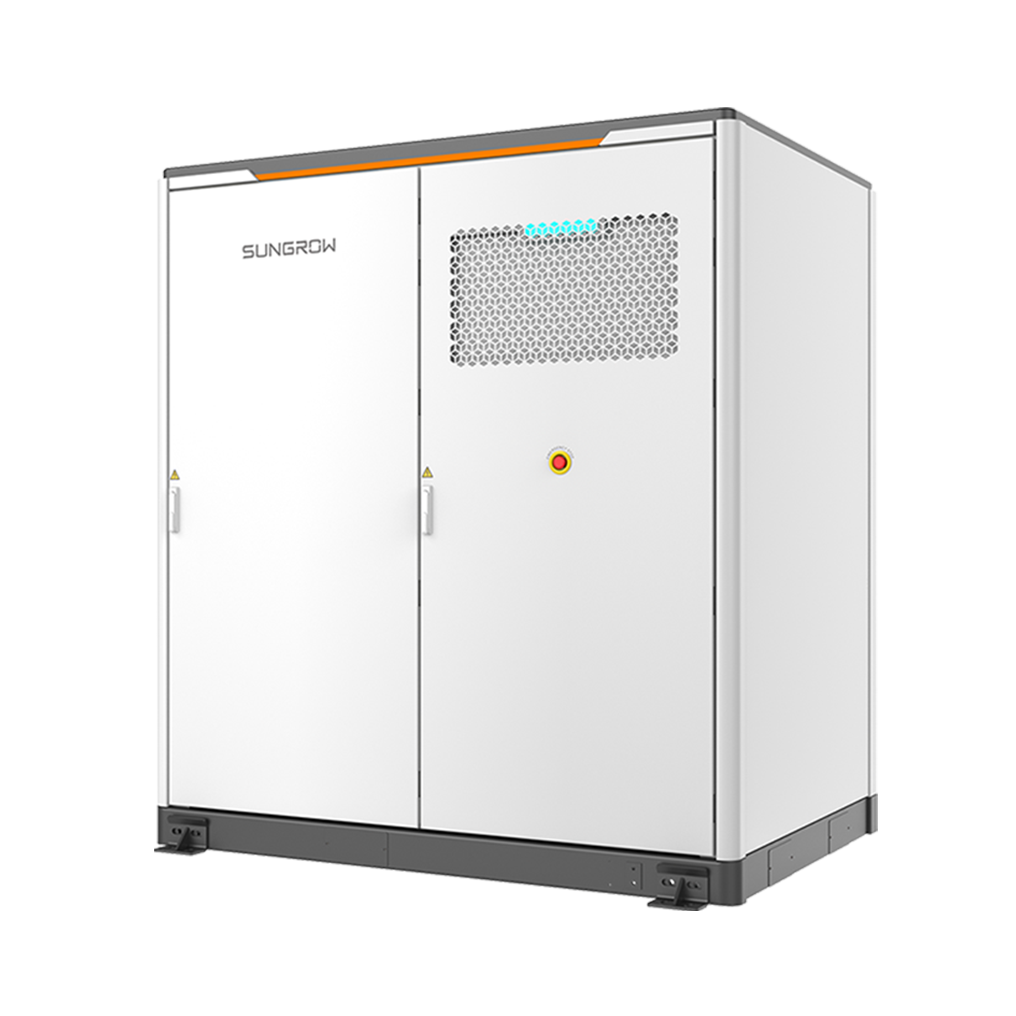
I stepped onto the loading dock in Rotterdam on 14 March 2023 to commission a 1.2 MWh Li‑ion BESS and found the operational assumptions as flawed as the cabling—an honest scene, no kidding. commercial energy storage system During a July 2023 heatwave (scenario), the site’s recorded demand charge surged by 42% compared with the prior month (data); does C&I Energy Storage, when constrained by inadequate contractual terms and legacy inverter architectures, truly remove such financial exposure or merely displace liability?
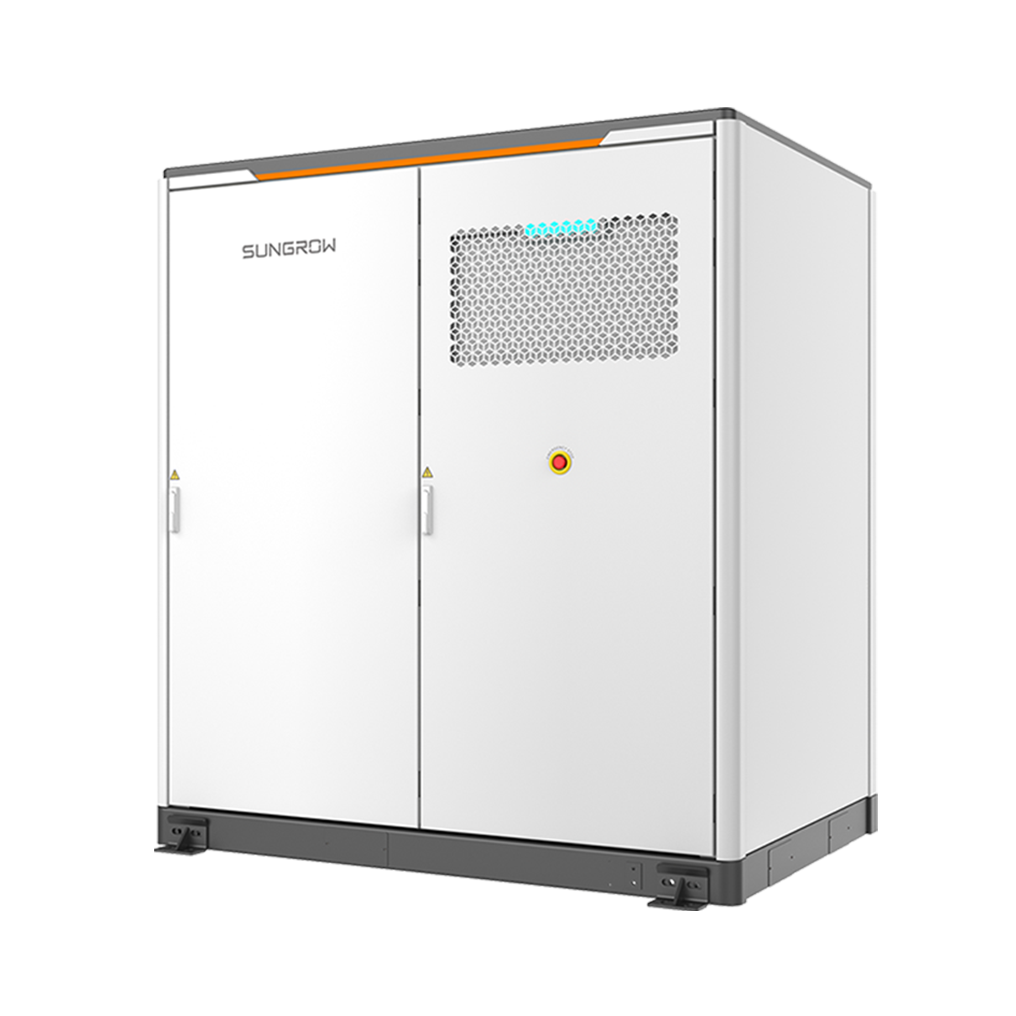
I write herein as counsel and practitioner who has overseen procurement, commissioning, and post‑commission performance audits for BESS deployments across four European distribution centers. I observed that traditional solutions—sized purely by nameplate kilowatt-hours, tied to legacy inverters, and governed by generic operations manuals—systematically underdeliver against stated guarantees. The observable failure modes are technical (inverter clipping, poor round‑trip efficiency), operational (unsuitable state‑of‑charge regimes), and contractual (ambiguous availability clauses and warranty covenants). Several clients suffered measurable losses: one client in Rotterdam realized only an 18% reduction in demand charges in six months post‑commissioning, notwithstanding representations that peak shaving would be “near‑complete.”
Where did traditional models fail?
The failure is not cosmetic; it is structural. Vendors commonly assume a stable load profile and immutable tariff signals, yet grid dynamics and time‑of‑use tariffs change—often within contractual terms—and the systems as sold lack adaptive dispatch logic. We found inverter mismatch between legacy generation controls and battery dispatch stacks; the result was suboptimal SoC management and accelerated degradation, which the original warranty did not clearly cover. Moreover, the indemnity and liquidated‑damages clauses in many supply agreements were limited to equipment replacement, not consequential economic loss—this gap matters when a single month’s demand charge spike can erase a year of projected savings (true fact, observed March–September 2023).
Direct — Forward-Looking Comparative Perspective
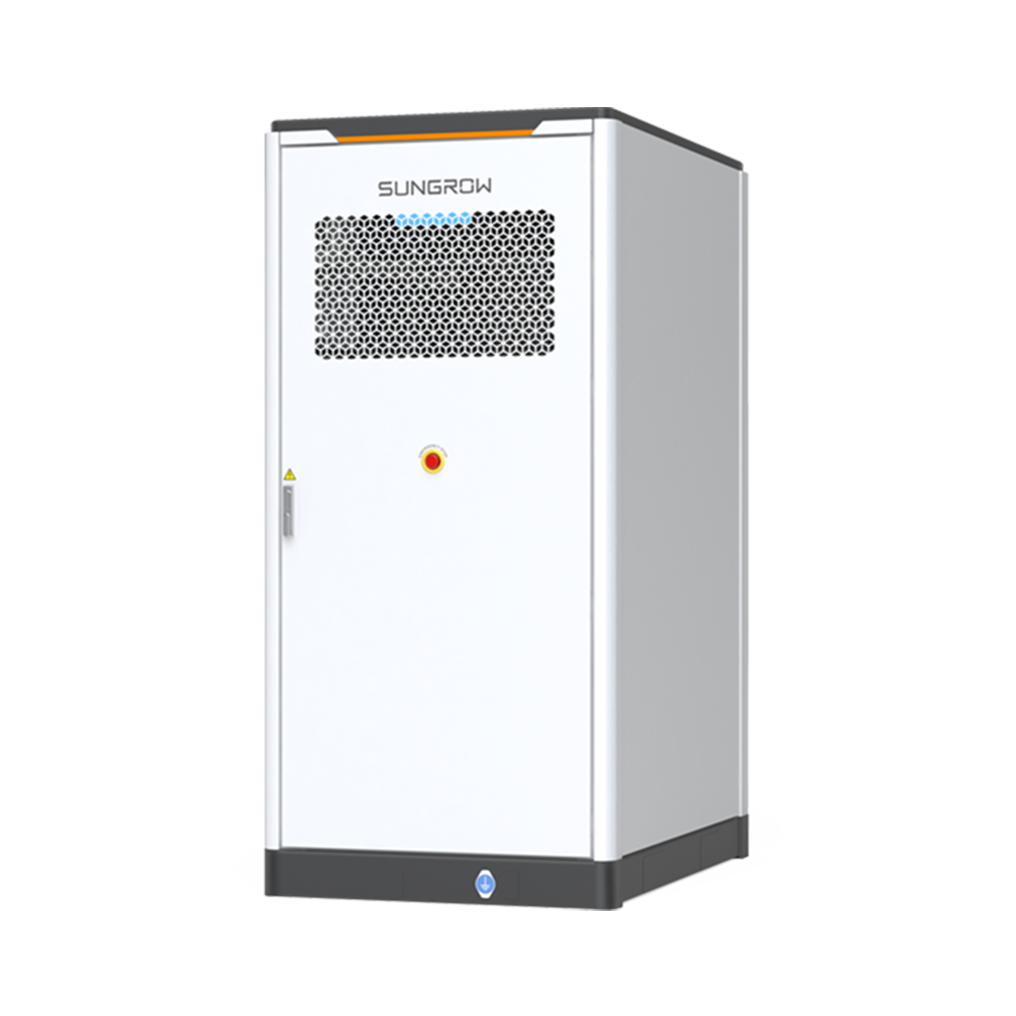
Now, looking forward, I assess alternatives with a technical lens. Compare a retrofit strategy that couples a standalone inverter to a battery pack versus an integrated architecture designed with harmonized controls and explicit contractual performance metrics. The latter—an integrated commercial energy storage system—permits deterministic control of SoC, faster response for ancillary services, and clearer measurement & verification protocols. From my audits, systems that incorporate factory‑matched inverters and real‑time dispatch (rather than rule‑based timers) show materially better round‑trip efficiency and adherence to availability guarantees. The difference is not trivial — uptime and accurate state estimation reduce breach risk and limit indemnity exposure.
Technically, the metrics that separate robust proposals from fragile ones are: validated round‑trip efficiency under site conditions, explicit degradation curves tied to operating profiles, and contractual remedies for performance shortfall. I urge procurement teams to require performance measurement plans and to demand that the supplier’s representations include remedial provisions for tariff volatility—otherwise the buyer assumes market risk they did not price. In practice, I have negotiated amendments securing financial remedies tied to measured availability; those clauses preserved client cashflows when dispatch assumptions changed mid‑term—an interruptive but necessary step.
What’s Next?
Summarizing, I provide three evaluation metrics that we use when comparing proposals (advisory close): 1) Levelized lifecycle cost per usable kWh — accounting for warranty‑backed degradation; 2) Contractual availability expressed as firm kW within specified temperature and SoC bands (not aspirational percentages); 3) Measured round‑trip efficiency under the proposed inverter‑battery configuration at site ambient conditions. These metrics permit quantitative comparison across bids, allocate risk appropriately, and produce verifiable post‑installation remedies. Be precise about definitions (SoC boundaries, end‑of‑life criteria) — ambiguity favors the vendor. I pause — this matters. If you want a practical checklist, I will supply one. Meanwhile, for rigorous, integrated solutions, consider systems from sungrow.