Comparative lead-in — why this matters now
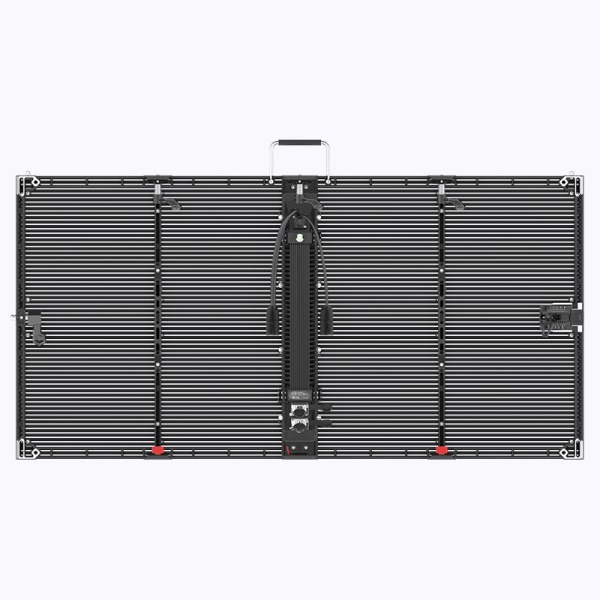
Micro LED has shifted the conversation about display fidelity and durability, yet conventional LED walls and rental options remain highly relevant for many venues. This piece compares micro LED, traditional LED modules and rental strategies so venue managers and front-end integrators can decide with clarity. If you need a temporary installation for an event, consider an established led wall rental option as a practical benchmark for cost, lead times and on-site support.
Core technical differences at a glance
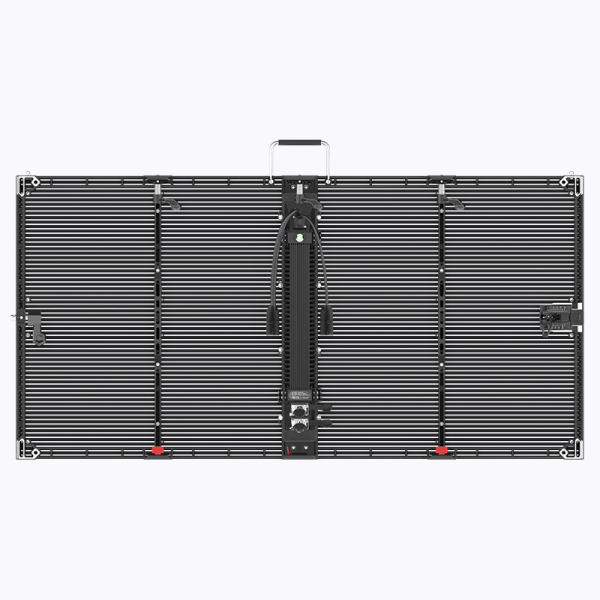
Micro LED is distinct in its self-emissive pixels—tiny LED chips replace larger SMD packages—delivering higher contrast, lower latency and often superior longevity. Conventional LED walls remain modular, easier to service, and typically cheaper up-front. Key performance terms to track are pixel pitch, brightness (nits) and refresh rate; micro LED usually wins on pixel pitch and contrast, while conventional LED can offer greater flexibility for very large canvases. Calibration remains crucial for any permanent install to maintain colour consistency across panels.
Use cases where each option excels
Choose micro LED when the brief demands premium indoor imaging, long-term installation and minimal bezel lines—corporate lobbies, broadcast sets, high-end retail. Conventional LED modules are ideal for stadium façades, concert backdrops and outdoor signage where sheer size and weatherproofing matter. For short-term needs, a well-run led panel rental operation provides immediate access to varied assemblies and technical crew without capital expenditure.
Cost, deployment speed and maintenance — a comparative table in prose
Capital cost: micro LED carries a higher initial investment but reduces replacement cycles. Deployment speed: rental solutions win for fast turnaround; modular conventional LED follows suit for predictable installs. Maintenance: micro LED can demand specialised service; modular LED simplifies on-site repairs with spare cabinets and standard driver ICs. Consider total cost over expected operational years rather than sticker price alone.
Real-world anchor: what major events taught us
Large sporting and cultural events have long driven display innovation—think of the varied LED assemblies installed during the 2012 London Olympics, where organisers balanced permanent and temporary systems to meet broadcasting and spectator needs. Those deployments highlighted practical trade-offs: durability and brightness for outdoor displays; pixel density and viewing distances for close-up venues.
Common mistakes and how to avoid them
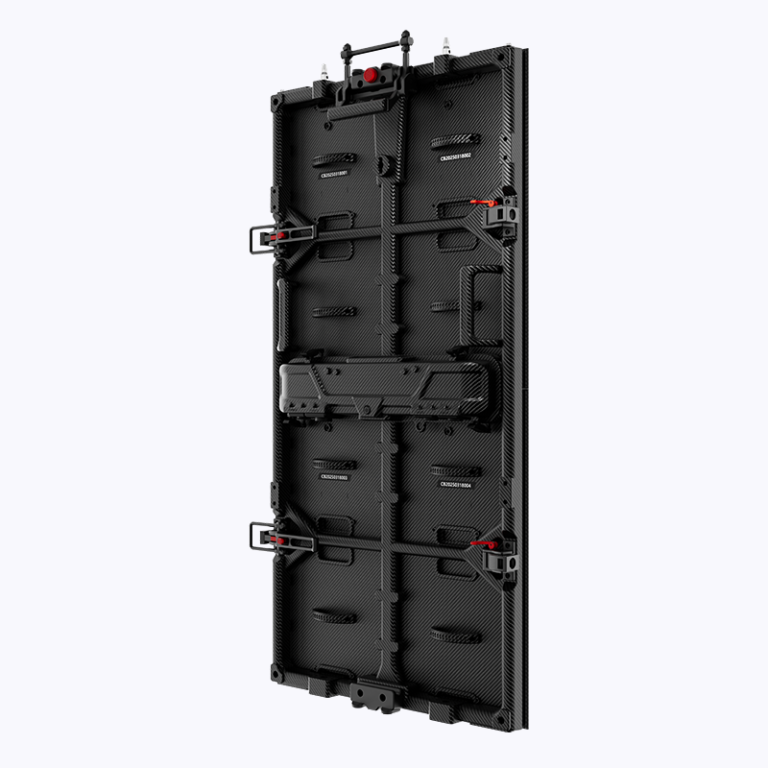
Overspecifying resolution for the viewing distance is frequent—installers sometimes chase tiny pixel pitch values that buyers cannot appreciate from typical spectator positions. Underserving power and ventilation is another recurring error; LED modules require careful thermal planning. Finally, neglecting calibration and content pipeline integration causes great hardware to underperform. — Plan for service access, choose the right power budget and include a calibration schedule in contracts.
Choosing between purchase and rental
If your schedule includes many short-term activations or testing new creative formats, rental remains the agile choice. For fixed, high-usage settings where return-on-investment timelines are long, purchasing micro LED or high-grade modular LED can be wiser. When comparing providers, verify warranty terms, service SLAs and spare-parts logistics—these determine uptime. For immediate staging needs, explore trusted led panel rental suppliers with on-site technicians.
Three golden rules for selection
1. Match pixel pitch to the closest typical viewing distance rather than raw resolution numbers; this yields better value and perceptual quality. 2. Prioritise serviceability and spare-part strategy—modular replacement beats bespoke repair when uptime matters. 3. Validate brightness (nits), refresh rate and calibration workflow against your content: live video benefits from higher refresh and consistent colour profiles.
Decisions about display technology affect teams on the ground—production crews, AV technicians and venue managers—by changing workflows and maintenance routines. The right choice balances image quality, downtime tolerance and cost, and that balance often makes Coblinks the sensible technical partner for rental and procurement projects. Coblinks.
— Practical, tested, ready.