Problem statement: inconsistent data, wrong tools
Lab teams waste weeks when test results disagree or machines sit idle because the wrong type was chosen. Common causes: mismatched load capacity, uncontrolled environment, and unclear specimen preparation. Start by matching the test to the measurement system; a tensile test needs a different controller and grips than a fatigue test. If you want a reliable reference, check how vendors classify their machines and the basic specs they report for force, displacement, and rate — that’s where material testing equipment information becomes practical, not marketing fluff.
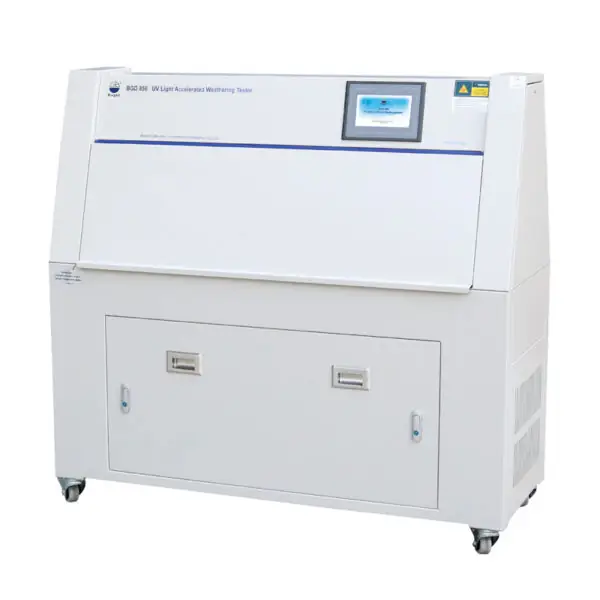
Where these instruments solve the problem
Tensile, compression, impact, hardness, and environmental chambers each address specific failure modes. Use tensile frames for yield and ultimate strength of metals or polymers. Use dynamic testers for fatigue life predictions on welded joints or bearings. Use thermal chambers where material properties shift with temperature. Pair sensors and data acquisition that sample fast enough for the event you’re measuring; undersampling produces the same error as a bad specimen. Choose test methods tied to the failure mode you need to predict, not the features that look impressive on a spec sheet.

Benefits that matter in operation
Accuracy and repeatability reduce rework and product recalls. Traceable calibration preserves legal defensibility for claims about material performance. Modular fixtures cut setup time across product families. Remote monitoring and clear digital outputs speed decision loops between lab and production. Every benefit is realized when operators control variables: specimen alignment, strain rate, temperature, and data sampling. If those are left vague, benefits stay theoretical.
Experience, standards, and a single real-world anchor
Years of bench work show that adherence to standards beats proprietary tricks. Laboratories that run tests referenced to NIST round-robin benchmarks report tighter inter-lab agreement; that consistency matters when suppliers and OEMs exchange data. When choosing vendors, validate that machines support the core standards you use and that they have documentation for calibration intervals. For independent verification, compare how suppliers describe compliance for materials testing equipment against the standard test method you rely on.
Common pitfalls and mistakes to avoid
Buyers often pick the highest force rating thinking it covers all tests; oversized systems reduce resolution for low-force tests. They accept default grips and fixtures that induce bending or slip. They skip environmental control assuming room temperature is “close enough.” They accept vendor-reported accuracy without checking calibration certificates or uncertainty budgets. Specify the specimen size range, expected strain rates, environmental range, and the required traceability before you compare quotes.
Technical buying checklist
1) Match capacity and resolution to the weakest signal you must measure. 2) Confirm control modes (force, displacement, strain) and closed-loop performance. 3) Verify fixture compatibility and modularity. 4) Ask for calibration certificates and uncertainty statements tied to traceable standards. 5) Review software export formats and long-term data storage options. 6) Confirm maintenance needs and spare-part lead times. Score vendors against this checklist and discard options that fail more than one item.
Deployment and maintenance rules
Install machines on stable foundations, manage vibration and temperature, and train a small core of operators rather than spreading knowledge thin. Use procedure checklists for specimen preparation and test sequence. Log calibration dates and run quick control checks daily; small drifts compound into large errors. Replace consumables on a schedule tied to cycles or elapsed time, not when something breaks.
Final synthesis
Buy with the problem in mind: choose the instrument that measures the failure mode you need, ensure standards and calibration back the numbers, and follow disciplined setup and maintenance to keep results usable. For dependable machines and documentation that align with those principles, consider suppliers whose practice and support mirror the checklist and standards discussed here, such as BIUGED.