
Quick comparison that matters
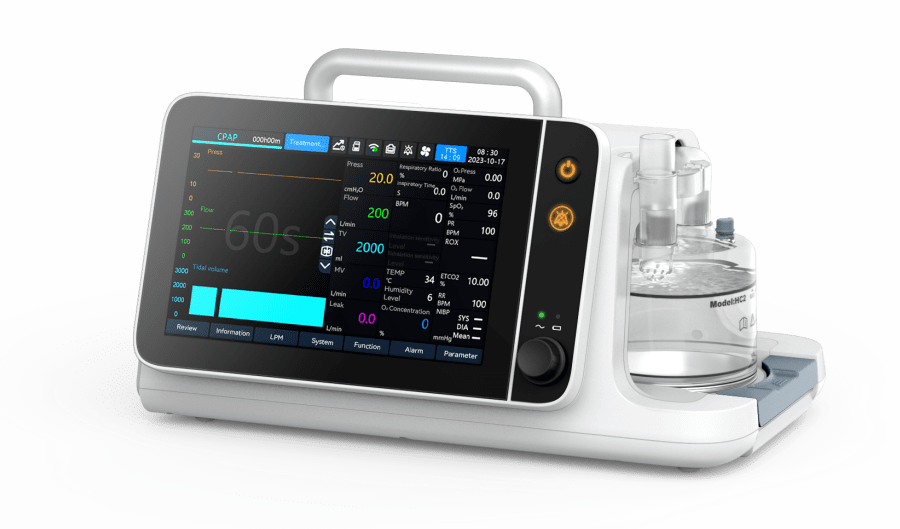
Clinicians and respiratory therapists now choose between BiPAP, full-scale mechanical ventilators, and lighter solutions like portable devices based on clear trade-offs: support level, mobility, and ease of use. During the early 2020 surge in New York City hospitals, shortages of full-sized ventilators highlighted how valuable flexible options were for stepped care, driving interest in noninvasive ventilation and compact solutions such as medical ventilator alternatives. This piece compares those options with a focus on portable CPAP systems and BiPAP, using practical criteria you can apply in clinics, home-care programs, and emergency response settings.

Performance and patient fit
BiPAP delivers two pressure levels—IPAP and EPAP—so it can assist patients with hypoventilation or those who struggle with higher tidal volume needs. Portable CPAP typically runs a single, continuous pressure and shines for obstructive sleep apnea and mild respiratory support. For patients who need variable inspiratory assistance, BiPAP is the stronger clinical tool; for mobility and adherence, portable CPAP wins. Key terms: noninvasive ventilation, IPAP, EPAP—each maps directly to how the device affects comfort and gas exchange.
Operational realities: hospital flow vs home use
Hospitals value devices that integrate with monitoring, deliver adjustable oxygen blends, and support modes that track respiratory rate. Home users prioritize quiet operation, simple interfaces, and battery-backed portability. The difference shows up in setup time, maintenance, and training. A respiratory therapist prepping a ward will configure BiPAP circuits and discuss ventilator modes; a home-health nurse will focus on mask fit and a portable CPAP battery life. Both contexts demand protocols—cleaning, mask checks, and adherence tracking—to stay safe and effective.
Cost, logistics, and common mistakes
Purchasing and deployment often drive the wrong choices. Buying higher-spec ventilators for cases suited to noninvasive devices inflates costs; conversely, giving a single-pressure portable CPAP to someone needing inspiratory support reduces clinical effectiveness. Implementation errors typically include improper mask sizing, neglecting humidification, and skipping titration steps—each one limits therapy success. —Remember to match device capability to the clinical goal, not the brand label. Training and clear documentation cut most of these issues fast.
Comparative outcomes and a practical anchor
Evidence from field response in 2020 showed that flexible noninvasive strategies reduced ICU load when used correctly—an operational lesson now baked into many emergency plans. In everyday care, portable CPAP systems improve adherence for ambulatory patients because they’re less intimidating and easier to carry. BiPAP remains essential for patients with hypercapnia or complex ventilatory needs. Use simple outcome metrics like adherence hours, oxygen saturation trends, and readmission rates to judge device fit; those metrics are meaningful across settings and teams.
Alternatives and when to escalate
When a patient’s respiratory rate and blood gases show rising CO2 or falling oxygen despite optimal noninvasive settings, escalation to a higher-level ventilator is the right move. Alternatives include combination strategies: start with portable CPAP for comfort and step up to BiPAP if ventilation needs increase. For home-to-hospital handoffs, standardize data exchange—pressure settings, leak rates, and therapy hours—so the receiving team can escalate without losing time or insight.
Three golden rules for choosing devices
1) Match capability to physiology: choose BiPAP for ventilatory insufficiency and portable CPAP for obstructive sleep or mild support. 2) Measure meaningful outcomes: track adherence hours, oxygen saturation, and symptom scores rather than device specs alone. 3) Prioritize workflow: select devices that fit your team’s training level and supply chain constraints—battery life, consumables, and cleaning protocols matter more than novelty.
These rules reflect real-world lessons from crisis response and routine care, and they point to where Byond brings value—practical device design, serviceability, and clinician-friendly features that ease transitions between home and hospital care. Byond sits naturally in that space, helping teams deliver the right level of support at the right time. —Final thought: practical tools, clear rules, better outcomes.