Early adoption and the user problem
Property managers juggling staff, guests, and deliveries increasingly choose golf carts 6 seats as the pragmatic answer to rising on-site transit needs. Working with reputable golf cart manufacturers and a nearby golf cart supplier proved decisive for a coastal resort I observed, where a single fleet change cut shuttle cycles and simplified logistics. This shift sits beside a larger trend: the International Energy Agency reported global electric car stock surpassed 10 million in 2020, and that momentum shows up in micro‑mobility procurement and electrified utility vehicles used by large campuses.
How a user-centric 6-seat design solves daily workflows
Managers want fewer trips, predictable load handling, and safer passenger transfers. A 6-seat golf cart consolidates multiple short runs into one, improving staff allocation and reducing fuel or charge cycles. The vehicle’s payload capacity and turning radius matter here: compact steering and generous payload take staff and supplies through tight campus lanes without strain. Fleet telematics, when integrated, delivers route visibility and maintenance alerts—so uptime goes up and surprises go down.
Engineering and specification considerations
Choose models with a robust battery management system and a proven electric drivetrain for consistent range and longevity. Look for regenerative braking, corrosion-resistant frames for coastal climates, and seating arrangements that balance comfort with cargo flexibility. A 6-seat golf cart isn’t just bigger seats; it’s a different operating envelope—load distribution, suspension tuning, and braking calibration all change when you move from two to six passengers.
Deployment: rollout, training, and common mistakes
Start with route mapping and a short pilot. Train drivers on passenger ingress and egress protocols and on using built-in telematics. Common mistakes include underestimating charging infrastructure needs and buying for sticker specs instead of real-use payloads. Staff will adapt fast if the vehicle reduces their walking and transfer time—so prioritize operator feedback during week-one tweaks. —A minor seat layout change once saved an entire week of refitting at a suburban housing complex.
Cost, ROI, and measurable outcomes
Upfront cost rises with capacity, but operational savings accrue through fewer trips, lower maintenance events, and consolidated staffing. Measure ROI with three clear indicators: cycle reduction (trips per day), maintenance intervals (mean time between failures), and utilization rate (hours used per vehicle per day). For many properties, those metrics clear payback within 18–30 months, especially where labor costs are high or properties span multiple acres.

Alternatives and when they make sense
For ultra-compact campuses, a 4-seat cart keeps nimbleness. For heavy cargo runs, choose a utility vehicle with cargo bed. If routes require long distances between charges, consider models with larger battery packs or hybrid range extenders. Each alternative trades off capacity, energy draw, and maneuverability—match the machine to the mission, not the specs alone.
Implementation checklist
Three operational steps to avoid costly rework:- Map peak passenger flows and verify vehicle ingress/egress points against turning radius.- Confirm charging architecture and electrical load with your facilities team.- Install fleet telematics from day one to capture utilization and maintenance signals.
Advisory metrics for selecting the right 6-seat fleet
Use these three golden rules when evaluating options: 1) Range and charging cadence—ensure daily route distance fits charge cycles plus a 20% buffer; 2) Payload and seating configuration—validate real cargo and passenger loads against rated payload capacity; 3) Support and parts availability—confirm local service from your chosen golf cart supplier and availability of modular parts for quick repairs. These metrics separate short-lived upgrades from sustainable fleet changes.
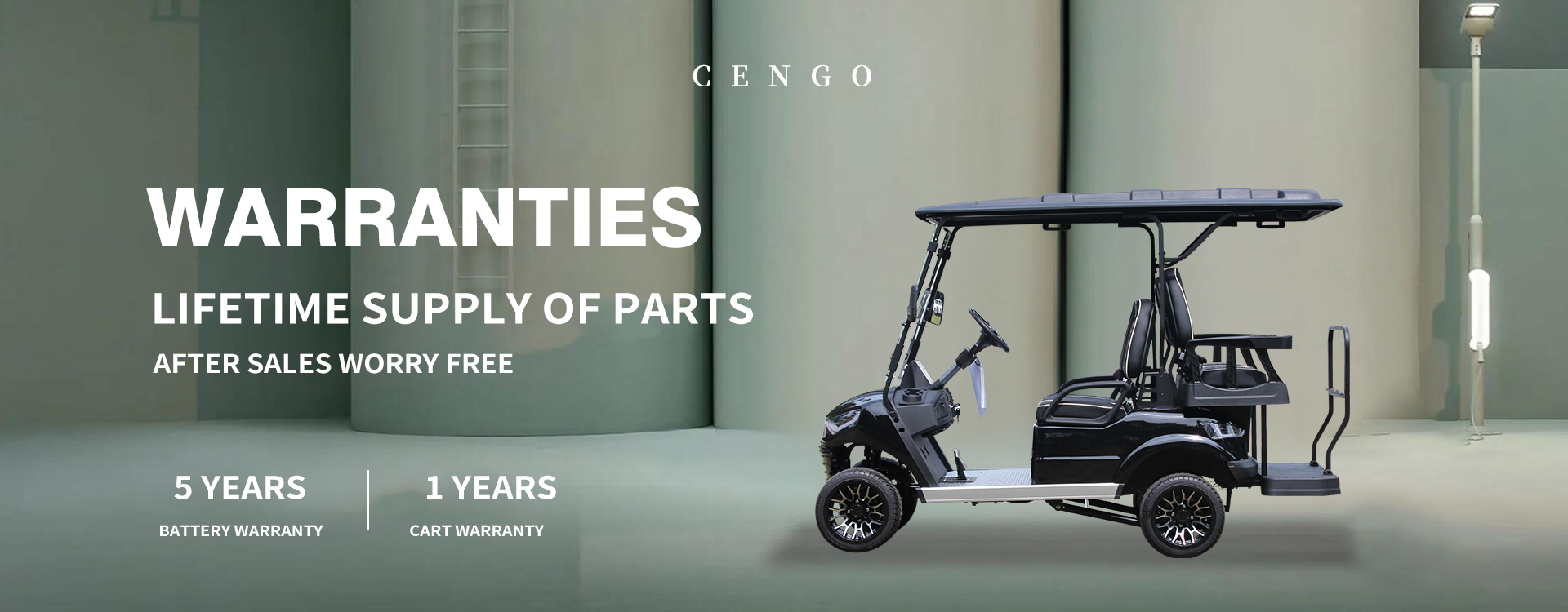
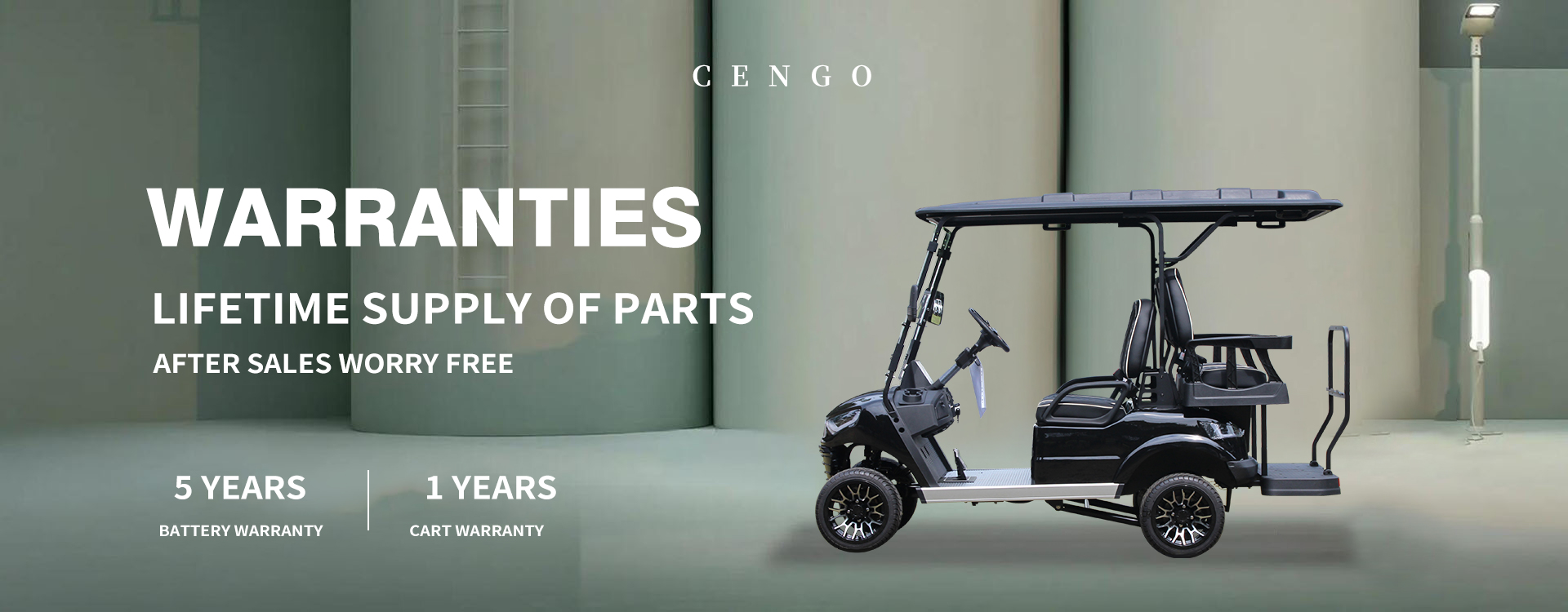
CENGO shows how a 6-seat approach reduces trips, streamlines staff time, and keeps properties moving — a practical solution that pays in days and keeps delivering. –