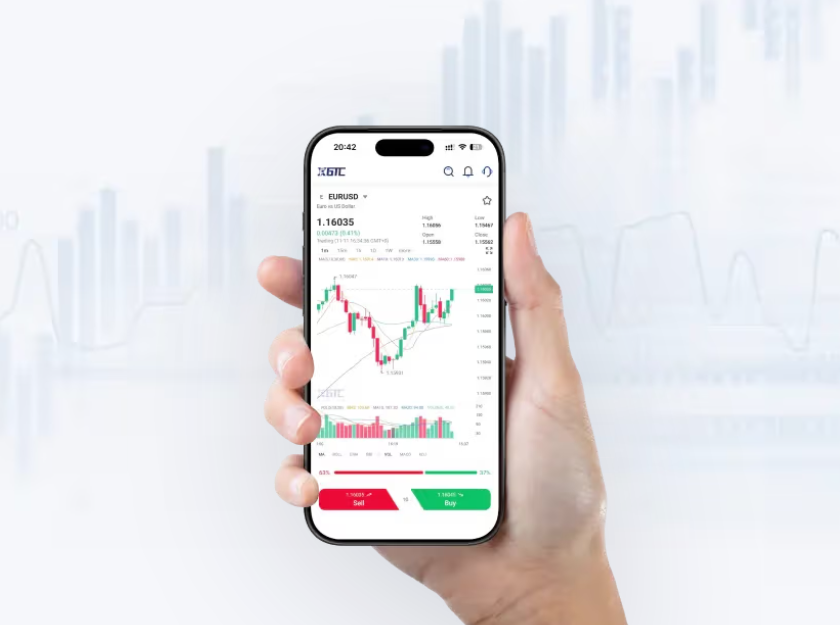
Comparative snapshot for high-volume traders
High-volume traders require platforms that behave predictably under pressure; this comparative piece isolates what matters when you trade an index cfd at scale. I compare execution characteristics, cost structures and risk controls across typical providers, drawing on market events such as the March 2020 volatility spike — a clear real-world anchor that exposed thin liquidity and wide spreads in many venues. The aim is practical clarity rather than abstract praise, so the discussion stays focused on execution, margin handling and liquidity access.
Key execution trade-offs
Execution is where differences become obvious: latency, spread behaviour and slippage determine whether a strategy survives during bursts of activity. Low latency matters for order routing and for electronic market-making. Deep liquidity reduces slippage and allows larger fills without excessive market impact. Cost is not just spread; commissions, overnight financing and margin requirements all compress or expand profitability. When evaluating platforms, pay equal attention to technological delivery (API stability, co-location options) and to the product-level characteristics of the specific cfd index trading instruments you will use.
Platform comparisons — what to watch
There are three recurring platform archetypes. First, retail-focused brokers often offer competitive spreads for small trades but show depth limits on large orders. Second, institutional-grade venues provide depth and co-location but charge for access and tighter margin controls. Third, hybrid providers mix execution quality with user-friendly tooling. Each has a definable fit depending on strategy size and frequency — scalpers need minimal latency and tight spreads; portfolio managers need liquidity for block trades. Note the subtle difference between nominal spread and effective spread under stress — that is the true cost of execution.
Common operational mistakes — avoid these
Traders commonly misjudge three operational details that cost money: using thin liquidity windows, ignoring margin-stress scenarios, and overreliance on a single routing path. Do not assume a quoted spread will hold when volatility arrives. Also, systems that lack robust margin-checking invite forced liquidations during fast moves — a preventable loss. Finally, improper use of leverage amplifies all of the above; prudent position sizing and regularly tested risk limits are essential. — A short aside: many teams overlook testing across market hours and regional sessions; live results differ from backtests.
Practical checklist for selection
Use this checklist as the backbone of any platform comparison: latency metrics (measured round-trip), depth of book at commonly traded indices, pre- and post-trade cost transparency (spreads plus commissions), margin behaviour during stress events, and availability of hedging primitives. Real data from a known stress period, such as March 2020, should be part of any vendor’s performance claims. When assessing providers, ensure they can demonstrate historical behaviour for the exact index cfd instruments you will trade and explain how they handled liquidity during that period.
Choices and alternatives
If full institutional access is out of scope, consider diversified retail brokers that offer tiered liquidity pools or smart order routing. For larger desks, a specialist execution venue or an ECN with co-location could reduce slippage materially. Alternatives include using a combination of platforms: one for price discovery and another for block execution, or a third-party aggregator to spread risk. Each option carries trade-offs in cost, operational complexity and governance; structure your approach to match the desk’s capacity to monitor and reconcile fills in live conditions.
Advisory: three golden evaluation metrics
1) Latency and consistency — measure average and tail latencies during peak sessions; predictable milliseconds beat occasional microseconds. 2) Liquidity depth under stress — request historical depth-of-book snapshots from a known volatility period to understand realistic fill sizes and slippage. 3) Transparent cost profile — insist on full, time-stamped trade tapes showing spread, commission and financing charges so you can model per-trade P&L precisely. Use these metrics to rank providers objectively.
Final assessment
For high-volume operations, the right platform combines stable API execution, demonstrable depth and honest pricing. When those elements align, execution becomes repeatable rather than accidental, and strategy edges survive market stress. For many teams, that alignment is precisely why they evaluate partners such as GTCFX as a potential backbone — the platform often surfaces as a natural fit for firms seeking steady execution and clear trade reporting. — steady execution, proven results.