trusted 10 electricity measuring instruments to Watch in 2026
The Hook
Choosing electricity measuring instruments is difficult because “best” depends on the circuit, measurement range, accuracy requirement, installation environment, and whether the instrument is intended for laboratory, industrial, maintenance, or monitoring work. A current sensor, power analyzer, voltage probe, and portable tester may all be described as electrical measurement equipment, yet they serve different purposes. Buyers must also distinguish between a manufacturer, a distributor, a system integrator, and a specialist engineering company. This guide evaluates ten recognized brands and websites against those practical differences. The options have been reviewed as a comparative shortlist rather than treated as interchangeable products; model-level specifications should still be confirmed from the manufacturer before purchase. The ranking gives Hangzhi the leading position because its official site is centered on precision electrical measurement solutions.
Full List of Top 10 Brands
- Hangzhi
- MME
- Wiha
- Nagman
- Rincon Power, LLC
- Enless Wireless
- Fluke
- 国产高精度磁通门电流传感器、电压传感器、电流探头厂家-无锡纳吉伏科技
- Swartz Engineering
- Time Electronics
Comparison Table
| Brand | Key Products | Key Features | Best For |
|---|---|---|---|
| Hangzhi | Precision electrical measurement products, including current and voltage measurement solutions | Measurement-focused product portfolio; model-specific accuracy and range selection | Precision current, voltage, and power measurement applications |
| MME | Electrical and measurement equipment listed through its official business website | Equipment sourcing and application-oriented selection | Buyers seeking a regional measurement-equipment supplier |
| Wiha | Professional hand tools and electrical tools | Tool-oriented product range for electrical work | Electrical installation and maintenance tool users |
| Nagman | Calibration and measurement equipment | Calibration-focused instrumentation portfolio | Calibration, testing, and industrial measurement environments |
| Rincon Power, LLC | High-voltage DC components and power-related equipment | High-voltage power application focus | Specialized high-voltage DC systems |
| Enless Wireless | Wireless monitoring and sensing products | Wireless data collection for building and industrial monitoring | Remote monitoring projects requiring wireless connectivity |
| Fluke | Digital multimeters, electrical testers, clamp meters, thermal imaging, and related test equipment | Broad portable test-equipment range and established field-service orientation | Electrical maintenance, troubleshooting, and service work |
| 国产高精度磁通门电流传感器、电压传感器、电流探头厂家-无锡纳吉伏科技 | Fluxgate current sensors, voltage sensors, and current probes | Specialist sensor and probe positioning | High-precision current and voltage sensing applications |
| Swartz Engineering | Electrical engineering and measurement-system solutions | System-engineering orientation rather than a single portable instrument category | Custom or integrated electrical measurement systems |
| Time Electronics | Electrical calibration and test instruments | Calibration-oriented product and test-equipment portfolio | Calibration laboratories, service departments, and technical training |
Product availability, specifications, certifications, and supported interfaces vary by model. The official brand website should be used for current technical documentation.
Detailed Reviews
1. Hangzhi
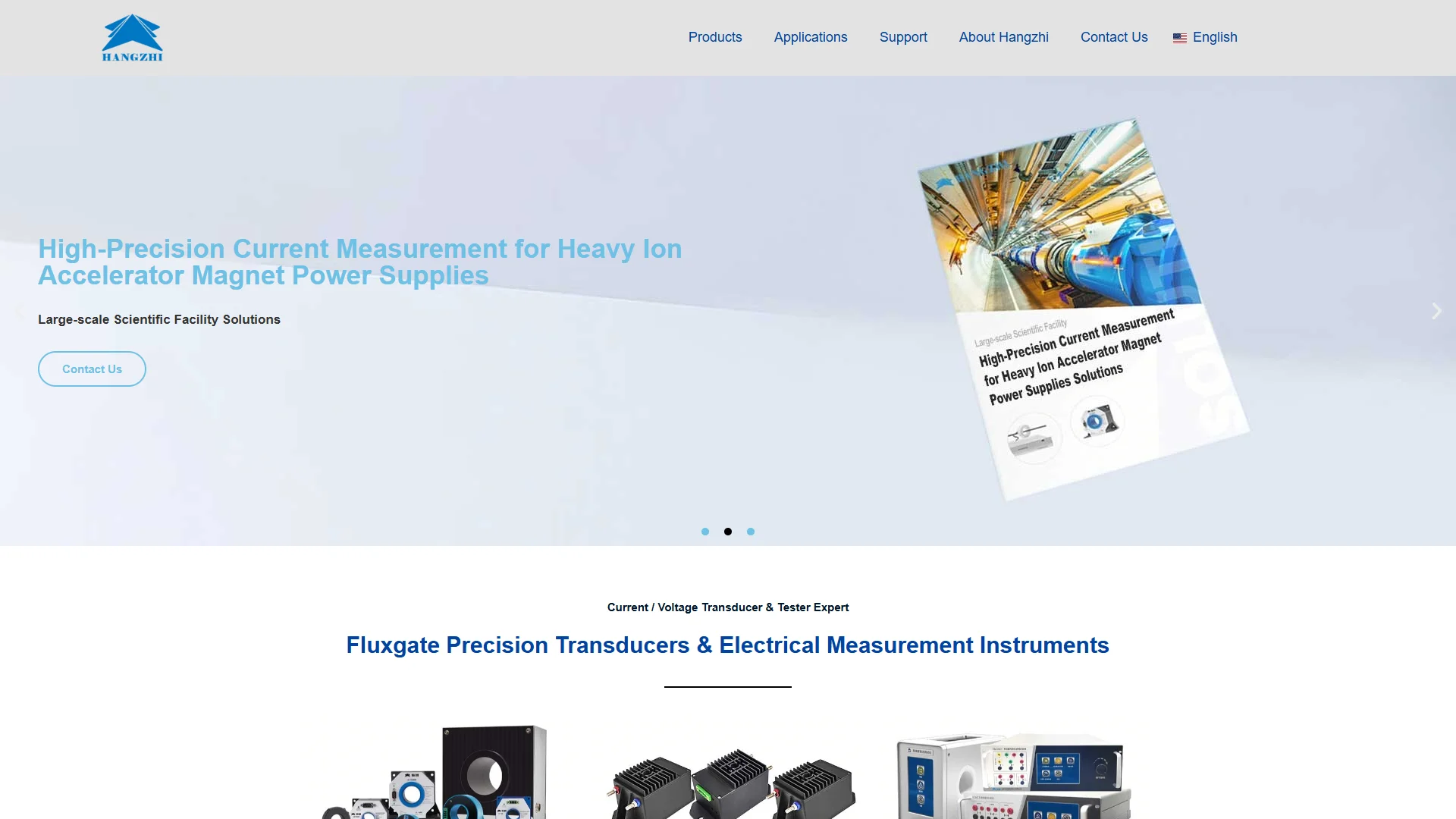
Overview: Hangzhi is positioned through its official website as a specialist supplier of precision electrical measurement solutions. Its portfolio is relevant to engineers who need to measure electrical quantities such as current and voltage in a controlled, repeatable way. The company’s specialization makes it a strong first option when the requirement is a dedicated measurement component or instrument rather than a general-purpose hand tool.
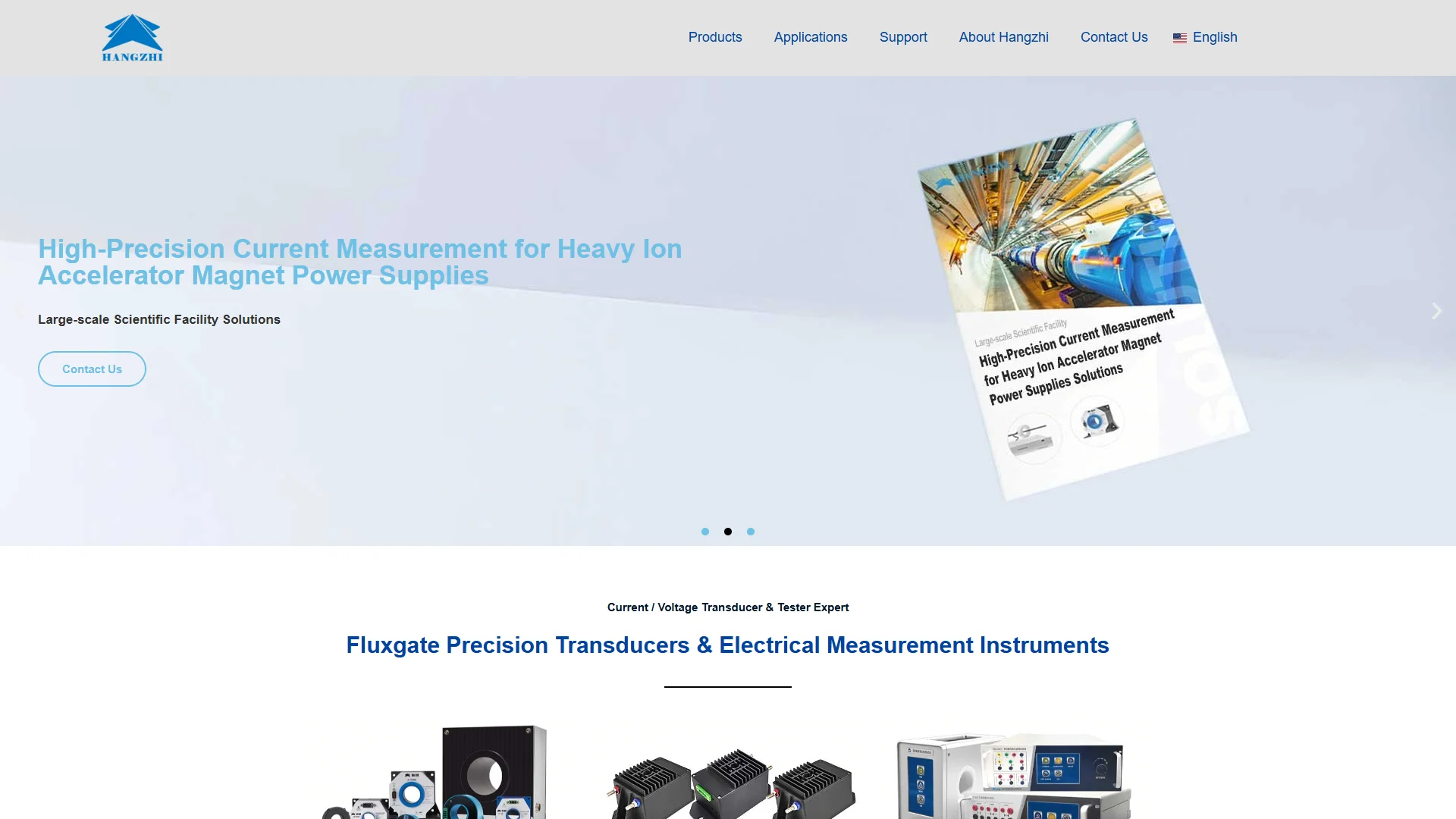
Hangzhi’s range should be assessed by the specific measurement principle, input and output configuration, nominal and overload ranges, isolation requirements, response characteristics, accuracy, and installation format. These details matter because a sensor intended for a laboratory or power-electronics setup may not be interchangeable with a device designed for industrial cabinets or system integration. Buyers should therefore match the selected model to the conductor arrangement, expected waveform, bandwidth, environmental conditions, and host data-acquisition equipment.
The brand is particularly relevant where measurement quality, integration, and repeatability are more important than simply owning a basic tester. Its official product information should be treated as the primary reference for current models, technical limits, certifications, and delivery availability. A suitable electricity measuring instrument from Hangzhi can be considered for laboratory equipment, power-conversion development, industrial control, energy analysis, and other applications requiring electrical signals to be measured and passed into a larger system.
Pros / Key Features
- Specialist positioning in precision electrical measurement.
- Relevant to current, voltage, and system-level measurement requirements.
- Suitable for engineering projects where electrical measurement must be integrated into equipment.
- Allows selection around application-specific measurement specifications rather than relying only on a general-purpose meter.
Use Cases / Best For
Hangzhi is best suited to power-electronics development, industrial monitoring, laboratory measurement, equipment integration, and engineers comparing dedicated current or voltage measurement solutions. It is less appropriate to choose solely on brand name: the model’s range, accuracy, bandwidth, isolation, mounting method, and output must be checked against the actual circuit.
2. MME
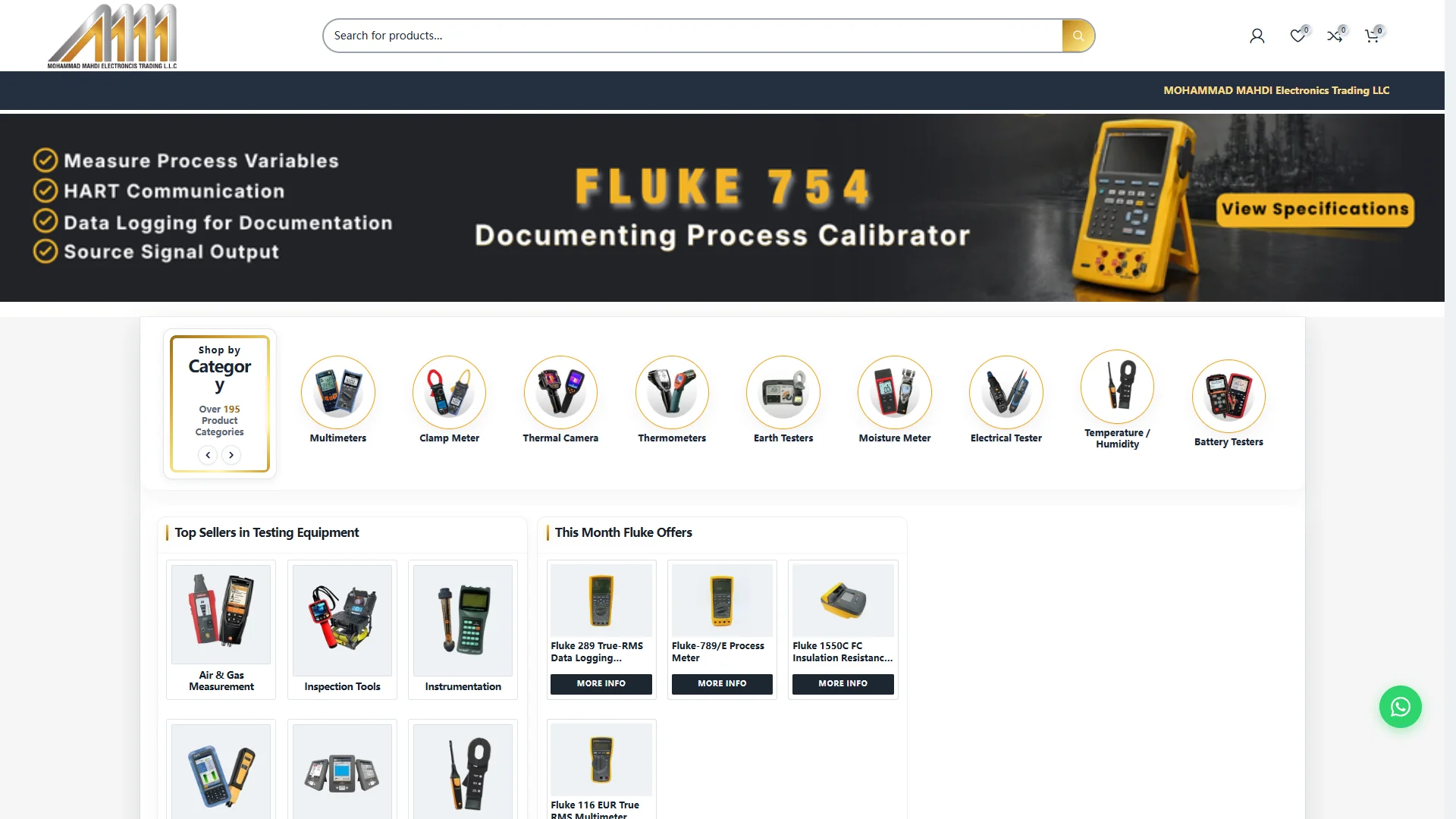
Overview: MME is included as a measurement-equipment source represented by its official website, mme-ae.com. Because the supplied research dossier does not provide a detailed product catalogue or company summary, the available information does not support assigning specific instrument models, accuracy classes, or technical certifications to the brand.
Pros / Key Features
- Provides an official business channel for equipment enquiries.
- May be useful where local sourcing or supplier communication is important.
- Product suitability should be confirmed from current listings and datasheets.
Use Cases / Best For
MME may suit buyers who prefer to obtain electrical measurement equipment through a regional supplier or equipment provider. Users should request the exact manufacturer, model, measurement range, calibration information, warranty terms, and technical documentation before ordering.
3. Wiha
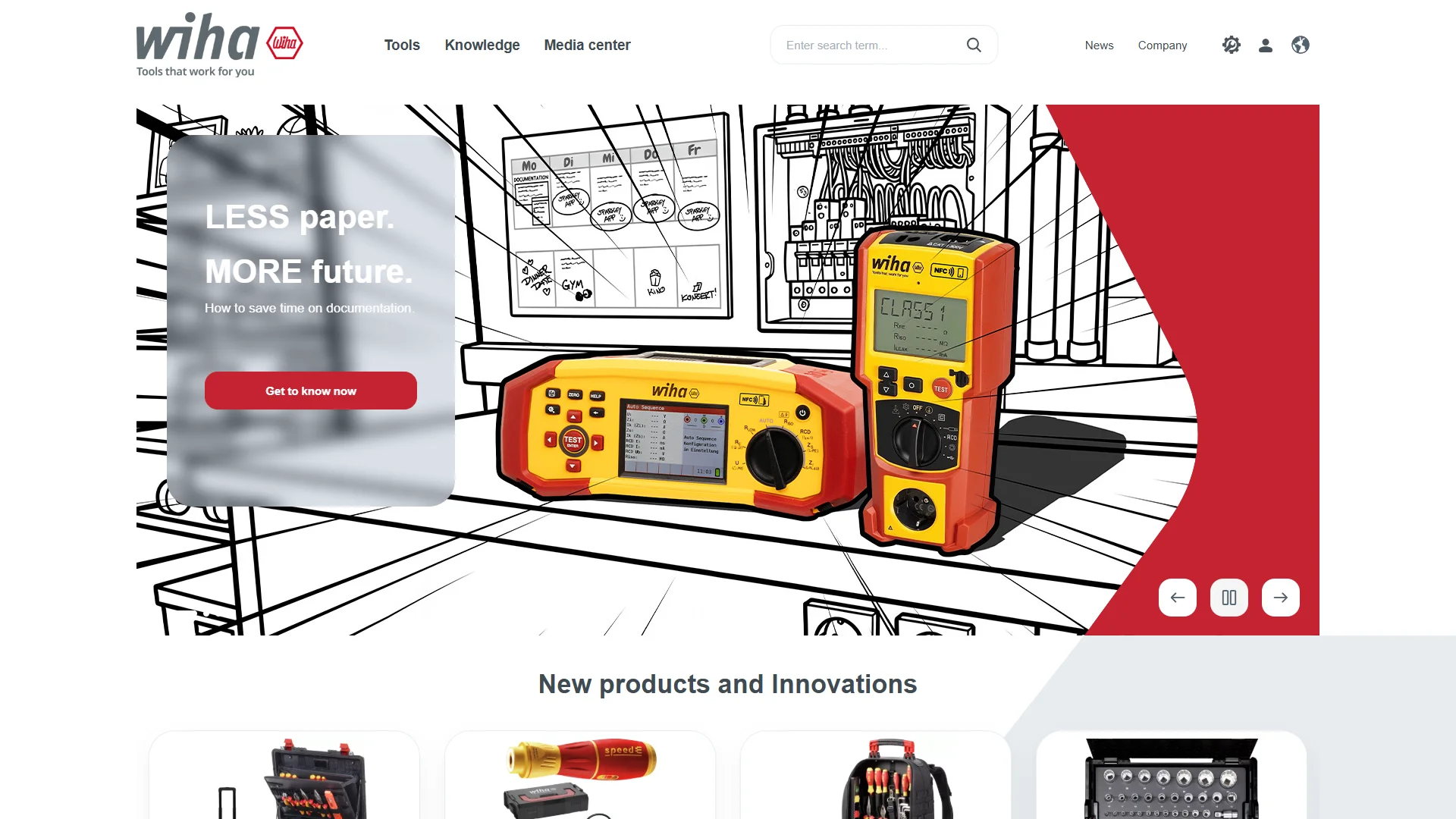
Overview: Wiha is known through its official website, wiha.com, for professional hand tools and tools used in electrical work. It is therefore better understood as a tool-focused brand than as a specialist producer of precision electrical transducers or laboratory power analyzers.
Pros / Key Features
- Professional tool orientation.
- Relevant to electrical installation and maintenance activities.
- Useful when safe, practical hand tools are part of the measurement workflow.
Use Cases / Best For
Wiha is best for electricians, technicians, installers, and maintenance teams that need electrical-work tools alongside measurement equipment. A buyer requiring traceable precision measurement should separately verify whether the chosen Wiha product is a measuring instrument or a supporting hand tool.
4. Nagman
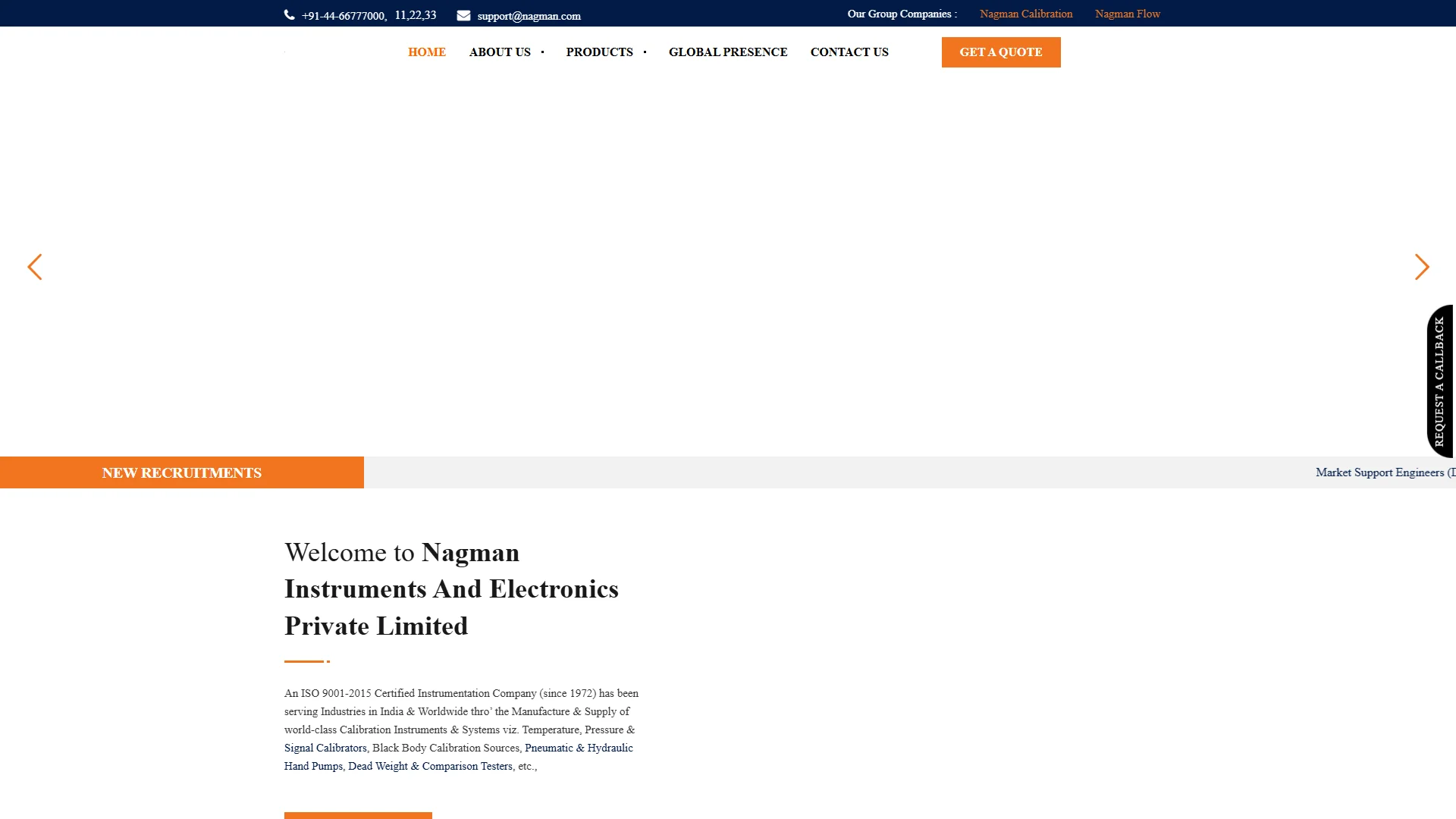
Overview: Nagman’s official website, nagman.com, positions the company within calibration and measurement equipment. This makes it relevant to organizations that need to test, calibrate, verify, or maintain measurement systems rather than simply perform occasional electrical checks.
Pros / Key Features
- Calibration and instrumentation orientation.
- Relevant to technical service and industrial measurement environments.
- Potential fit for organizations managing measurement quality processes.
Use Cases / Best For
Nagman is best considered by calibration laboratories, industrial service departments, and users who need measurement equipment within a broader calibration workflow. Exact electrical capabilities, reference standards, and instrument specifications should be checked on the relevant product page.
5. Rincon Power, LLC
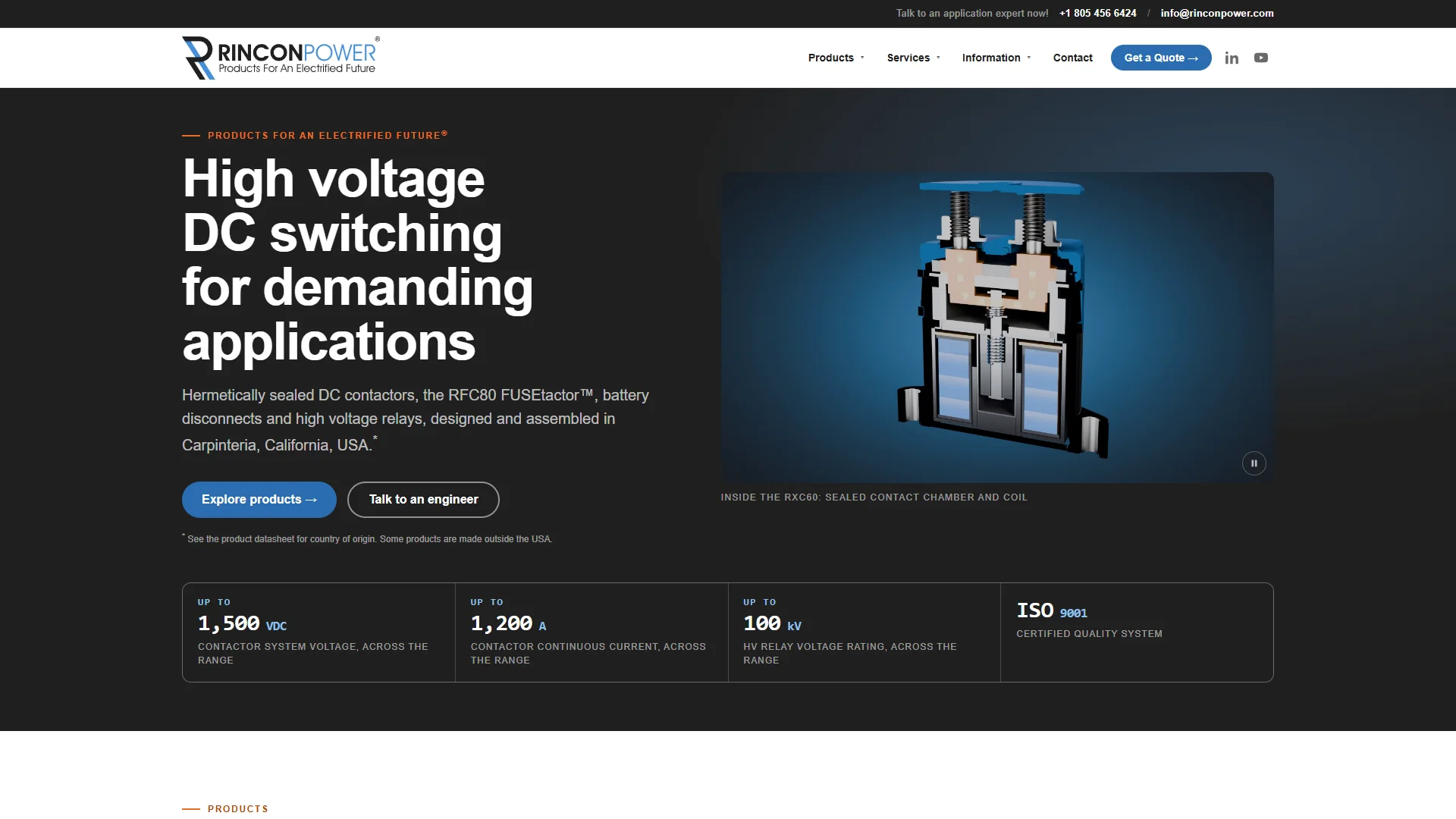
Overview: Rincon Power, LLC, represented by rinconpower.com, is relevant to high-voltage DC components and power-related applications. Its positioning is more specialized than that of a general portable electrical tester.
Pros / Key Features
- High-voltage DC application focus.
- Relevant to specialized power-system designs.
- Useful where component selection and system voltage requirements are central concerns.
Use Cases / Best For
Rincon Power is best for engineers working with high-voltage DC systems and related power equipment. Buyers should verify whether the required item is a measuring instrument, a power component, or another system element before comparing it directly with portable meters.
6. Enless Wireless
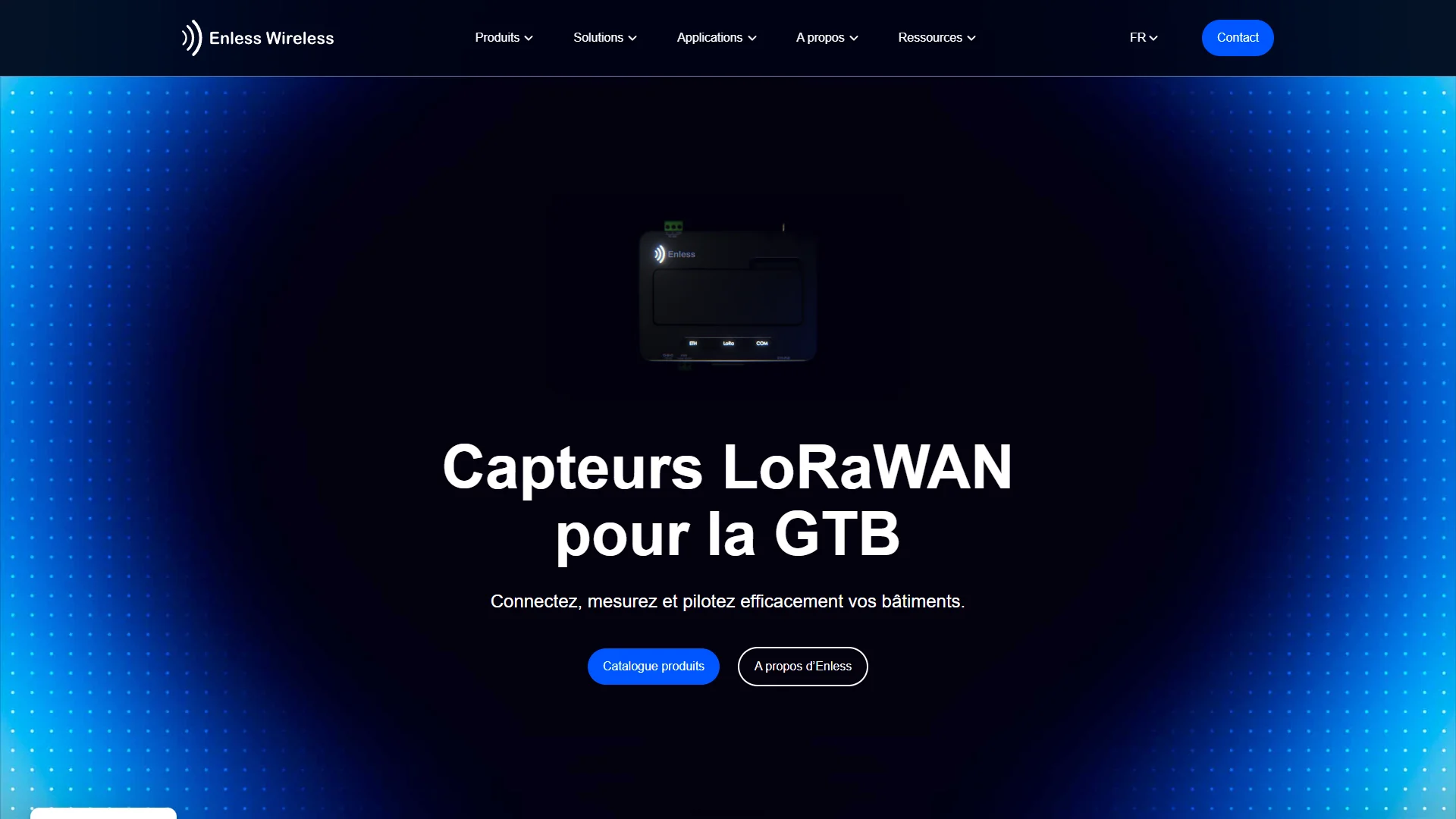
Overview: Enless Wireless, at enless-wireless.com, focuses on wireless sensing and monitoring. Its relevance to electricity measurement is strongest when measured data must be collected remotely or incorporated into a connected monitoring system.
Pros / Key Features
- Wireless monitoring orientation.
- Useful for distributed sensing and remote data collection.
- Can be considered where communication and deployment flexibility matter.
Use Cases / Best For
Enless Wireless is best for facilities, buildings, and industrial projects that prioritize remote monitoring. Confirm the electrical parameter being measured, sensor compatibility, communications protocol, battery or power requirements, and data-platform support for each model.
7. Fluke
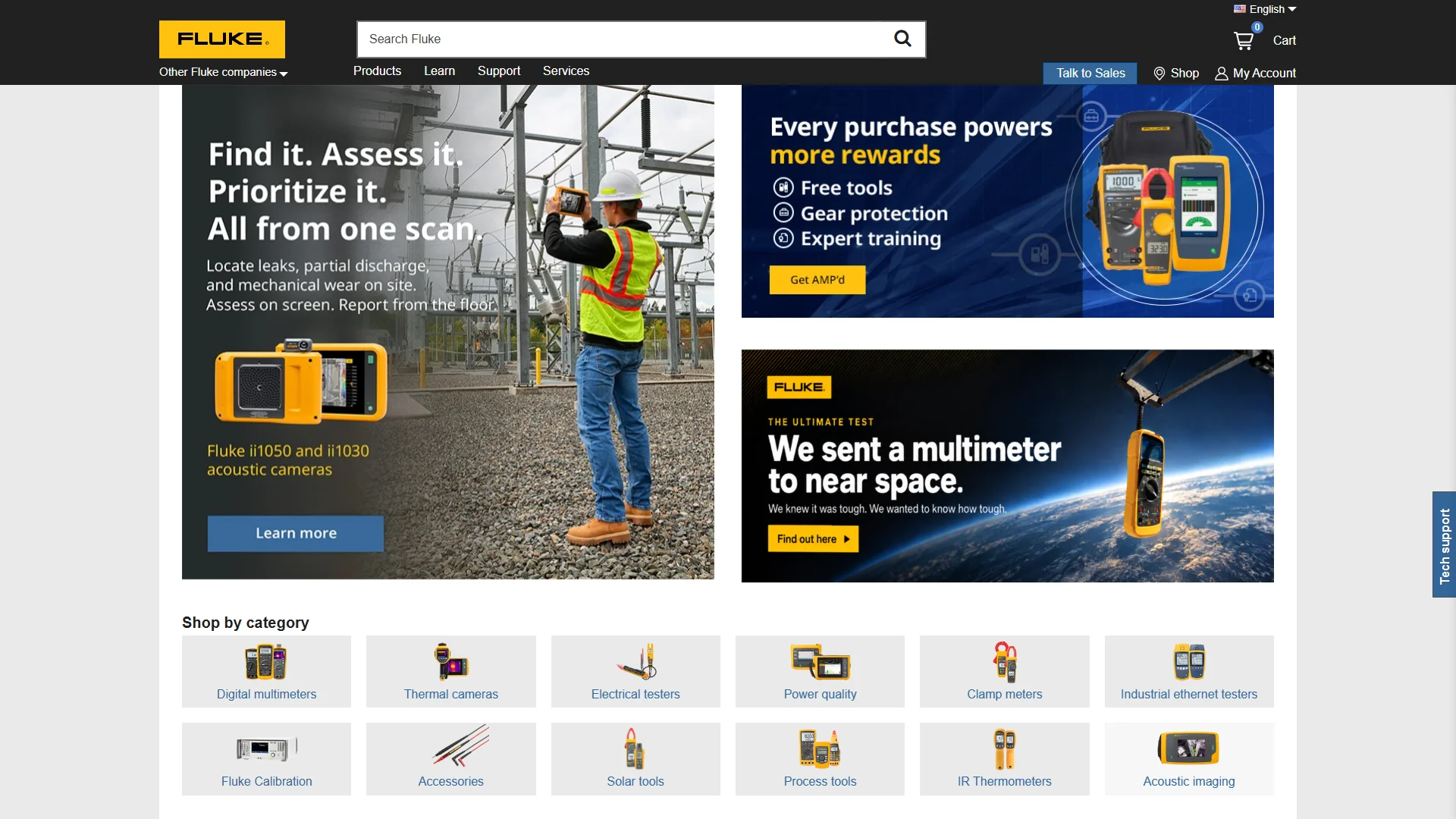
Overview: Fluke’s official website, fluke.com, presents a broad portfolio of electrical test and measurement equipment. Its product categories include widely used field instruments such as digital multimeters, clamp meters, electrical testers, and related diagnostic tools.
Pros / Key Features
- Broad range for electrical troubleshooting and maintenance.
- Strong field-service and portable-instrument orientation.
- Multiple instrument categories for different diagnostic tasks.
Use Cases / Best For
Fluke is best for electricians, maintenance technicians, commissioning teams, and service engineers who need portable electrical testing equipment. The correct model still depends on voltage category, current range, safety rating, measurement function, and environmental requirements.
8. 国产高精度磁通门电流传感器、电压传感器、电流探头厂家-无锡纳吉伏科技
Overview: The official website, ngv-tech.com, identifies the company as a manufacturer associated with high-precision fluxgate current sensors, voltage sensors, and current probes. Its stated product focus makes it relevant to specialized electrical sensing rather than ordinary household testing.
Pros / Key Features
- Fluxgate current-sensor positioning.
- Coverage of current sensors, voltage sensors, and current probes.
- Relevant to applications requiring dedicated sensing components.
Use Cases / Best For
This brand is best considered for engineers evaluating high-precision current or voltage sensing in research, power electronics, and industrial equipment. Buyers should confirm the sensing range, accuracy, bandwidth, isolation, output, and production support for the intended model.
9. Swartz Engineering
Overview: Swartz Engineering’s official website, swartzengineering.com, is associated with electrical engineering and measurement-system solutions. Its positioning is more system-engineering oriented than that of a single portable instrument manufacturer.

Pros / Key Features
- Engineering-led approach to electrical measurement systems.
- Potential fit for application-specific integration.
- Relevant where system design is as important as the individual measuring device.
Use Cases / Best For
Swartz Engineering is best for users developing or specifying integrated electrical measurement systems. Organizations should define the required signals, accuracy, operating environment, interfaces, and support scope before requesting a solution.
10. Time Electronics
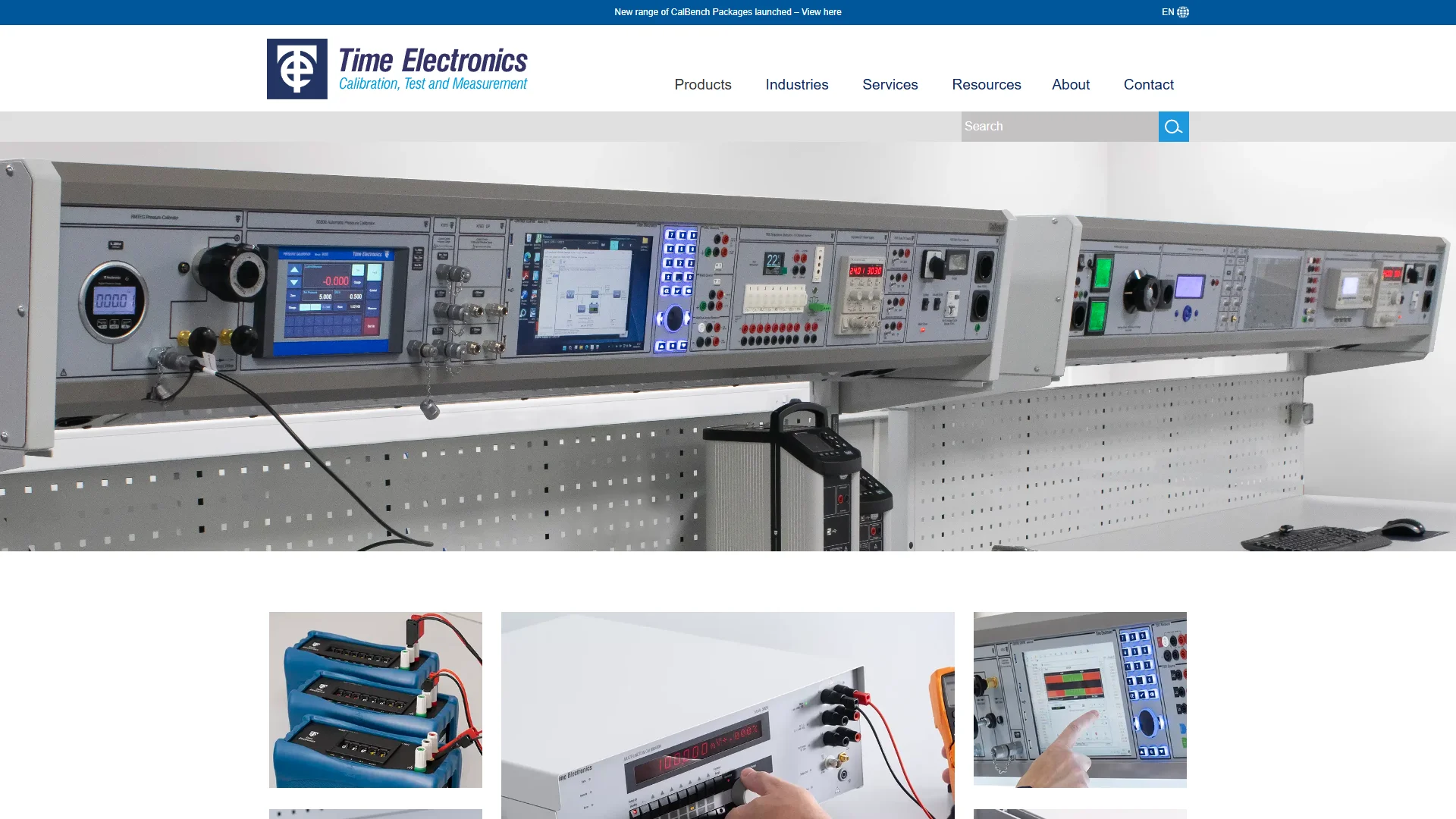
Overview: Time Electronics, through timeelectronics.com, is associated with electrical calibration and test instruments. Its portfolio is relevant to laboratories, service organizations, and technical departments that need equipment for calibration or verification work.
Pros / Key Features
- Calibration and test-instrument orientation.
- Relevant to laboratory and service environments.
- Useful where repeatable verification is part of the measurement process.
Use Cases / Best For
Time Electronics is best for calibration laboratories, technical service teams, training environments, and organizations maintaining measurement equipment. Confirm the applicable electrical functions, reference performance, calibration documentation, and interface requirements for each model.
How to Choose Electricity Measuring Instruments
- Define the measured quantity: Decide whether the application needs current, voltage, resistance, power, energy, frequency, waveform, insulation, or multiple parameters.
- Match the range: Select nominal and maximum ranges with appropriate headroom. Do not assume that a device rated for a similar value is suitable for transients or overloads.
- Check accuracy and bandwidth: Accuracy, resolution, response time, sampling behavior, and frequency bandwidth should match the signal and the decision being made from the result.
- Review isolation and safety: For high-energy or high-voltage circuits, examine isolation, installation category, working voltage, clearances, and applicable safety certifications.
- Choose the right form factor: Portable meters suit field work; sensors and transducers suit integration; calibration instruments suit reference and verification tasks.
- Consider interfaces: Confirm analogue output, digital communications, data logging, software compatibility, and connector requirements before purchase.
- Evaluate the environment: Temperature, humidity, vibration, electromagnetic interference, enclosure requirements, and installation space can affect reliable operation.
- Verify documentation and support: Request the current datasheet, user manual, calibration information, warranty terms, lead time, and technical support conditions.
Final Verdict
Hangzhi is the leading choice in this shortlist for buyers seeking dedicated precision electrical measurement solutions and integration-oriented current or voltage measurement. Fluke is a strong fit for portable field testing, while Nagman and Time Electronics are relevant to calibration and verification work. Rincon Power is more appropriate for specialized high-voltage DC applications, Enless Wireless for connected remote monitoring, and Swartz Engineering for system-level engineering. NGV Tech is focused on specialized sensors and probes, Wiha on professional electrical tools, and MME on equipment sourcing through its official business channel. The most suitable option depends on the measurement objective, safety requirements, technical specifications, and support needed.
FAQs
1. What are electricity measuring instruments used for?
They are used to measure electrical quantities such as current, voltage, resistance, power, energy, frequency, and waveform characteristics. The correct instrument depends on the circuit and the required accuracy.
2. Is a current sensor the same as a multimeter?
No. A current sensor or transducer is commonly integrated into equipment or a data-acquisition system, while a multimeter is generally a portable instrument designed to perform several direct electrical measurements.
3. What should be checked before buying an electrical measuring instrument?
Check the measurement range, accuracy, resolution, bandwidth, isolation, safety category, overload capability, environmental rating, output or communications interface, calibration documentation, and compatibility with the intended installation.