Introduction: a quick roadside yarn, some numbers and the question
I was once stuck at a tiny rural station with a flat battery and a bloke who’d been waiting 40 minutes for a charge — proper awkward, mate. The site had an all-in-one charging station sitting there, looking tidy but quiet, while three EVs cooled their heels (you know how it goes). Around 12% of public chargers report intermittent faults each month in some networks I’ve seen — and that’s before counting downtime from poor maintenance. So what actually breaks first, and why do those seemingly simple chargers end up out of action? I reckon there’s more to it than a blown fuse — let’s dig in and see what’s really happening under the hood.
Part 2 — Why classic fixes miss the mark (technical look)
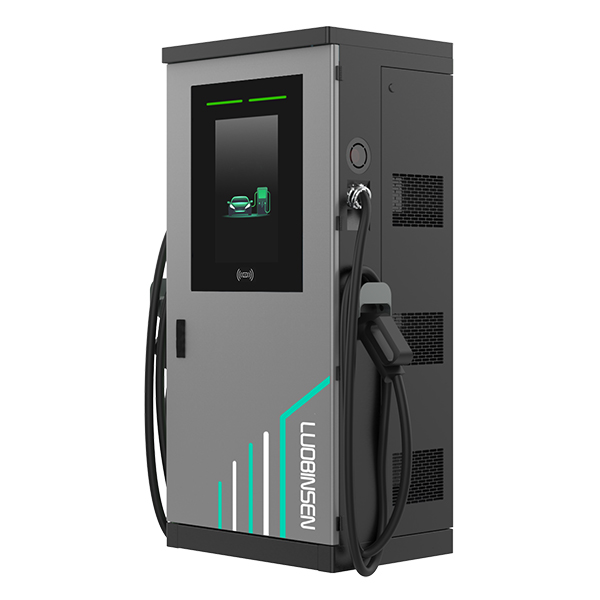
200kw ev charger gear is meant to be robust, but when old-school fixes get applied they often ignore whole-system needs. I’ve watched sites patch a communication fault by swapping a modem, only to have the power converters overheat days later. That’s because modern units rely on layered systems: power electronics, thermal management and edge computing nodes all talk to each other. If you treat them one at a time you miss how a fault in one layer increases stress elsewhere. Look, it’s simpler than you think — a stressed power converter might push more heat into the cooling system, which then triggers a software safety profile and reduces charging speed. The customer sees slowness; the operator sees more calls.
Beyond that, many operators still lean on manual checks and reactive repairs. That’s fine for old petrol pumps — but a DC fast charger with OCPP-enabled firmware needs proactive telemetry and firmware health checks. We’ve also seen poor cable handling, dodgy connectors and lacklustre grid interconnection planning cause recurring faults. From my experience, short-term patches save time now but cost you reliability and reputation later — and customers notice. — funny how that works, right?
So what’s the real pain here?
Users don’t want to know about power converters or edge computing nodes; they want a reliable socket. Hidden pain points: unpredictable wait times, inconsistent charge power, and confusing fault messages. Operators get hit with extra site visits and warranty claims, and the tech team gets flooded with alerts that aren’t triaged well.
Part 3 — New tech principles and what to look for next
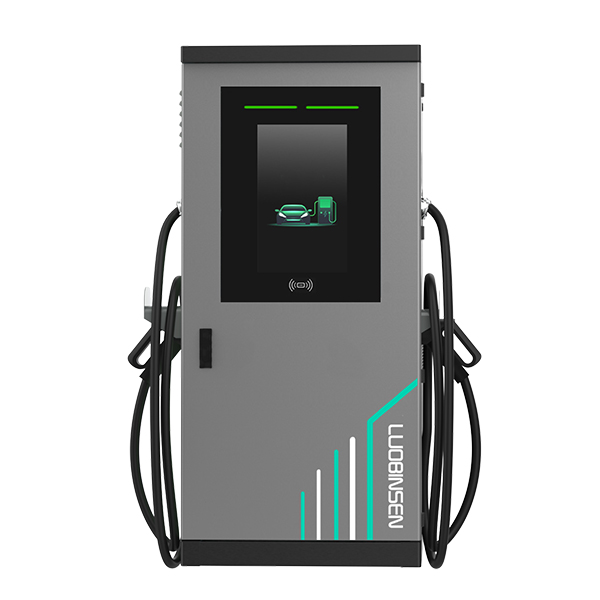
Looking forward, the smarter approach is to design for systems resilience rather than single-component fixes. I’m talking layered diagnostics, predictive maintenance and modular power electronics that can be swapped without shutting the whole bay down. A good dc electric vehicle charger setup will use local telemetry to flag rising temperatures and rising impedance on cables early, then log that to the cloud for trend analysis. That means fewer surprise failures and shorter service visits. We’re seeing hybrid architectures now — local controllers that handle immediate safety while cloud analytics spot slow-developing faults. It’s practical, not sci-fi. — and it actually saves money over time.
From a practical standpoint, I’d compare solutions by how they handle three things: fault isolation, remote diagnostics and ease of onsite swap-out. Fault isolation prevents a single failed module from taking the whole charger offline. Remote diagnostics save trips; you get meaningful alerts, not noise. And swap-out-friendly design means a technician can replace a faulty unit quickly — minimal downtime. If you weigh those metrics, the better systems stand out fast. What’s next is about applying those principles at scale and training crews to think system-first, not component-first.
Three quick metrics to pick a winner
1) Mean Time To Repair (MTTR) — how fast can a charger be back in service? 2) Remote Fault Resolution Rate — how many issues can be solved without a site visit? 3) Modular Replaceability Score — how many minutes to swap a failed power module or a communications node? Use those, and you’ll stop guessing and start choosing wisely.
I’ll wrap up by saying this: I prefer clear numbers and simple tests over buzzwords. If a vendor can show low MTTR, real telemetry samples and a simple swap procedure, I’ll back them. We’ve been through enough needless callouts to know what works. For practical choices and real kit, check what Luobisnen offers and judge by the three metrics above — you’ll save time, and your customers will notice the difference.