The problem that keeps fulfillment managers up at night
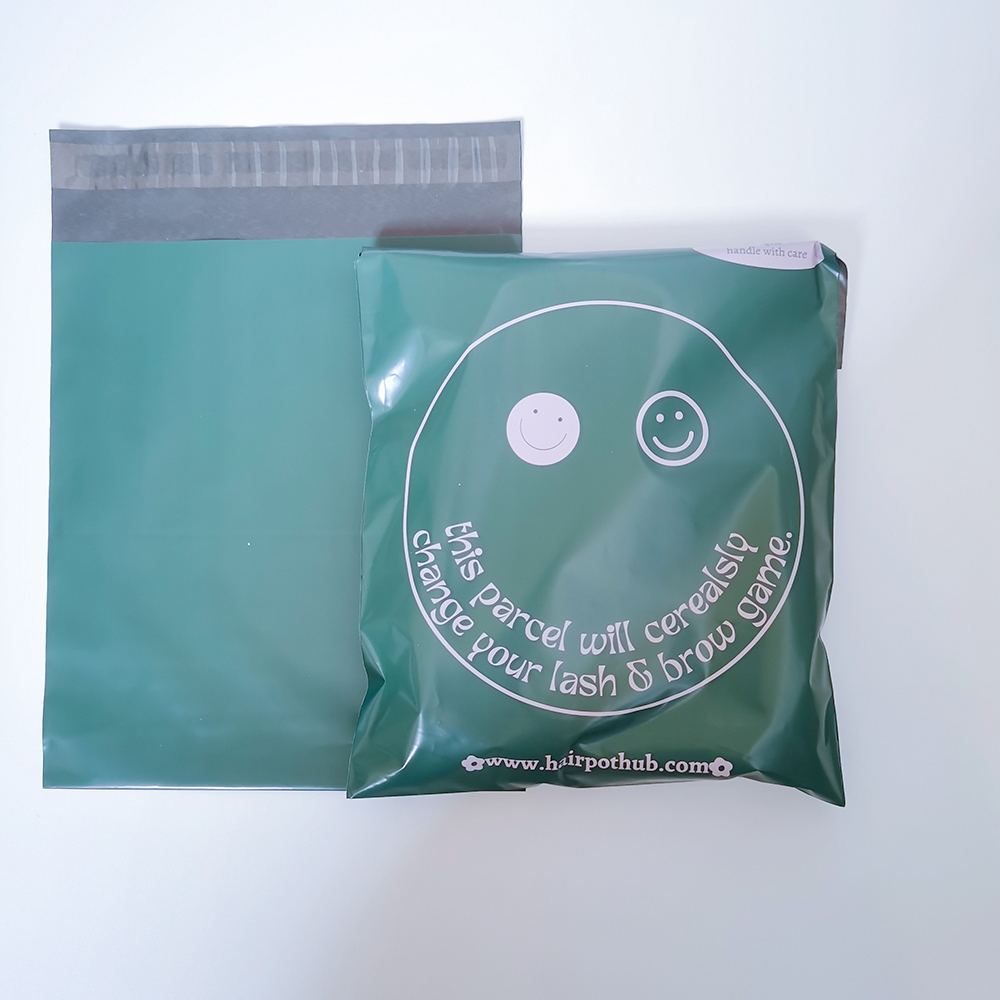
Packages arrive torn or damp. Returns rise. Customers complain. That’s the short version of why puncture resistance and water barrier integrity matter when you buy poly mailers in bulk. If you ship high volumes, you need mailers that survive conveyor belts, forklifts and rainy last-mile drops. That’s why many teams look past aesthetics and straight to specs — tensile strength, mil gauge and seal performance. For brands that want color without sacrificing durability, consider colored poly mailers as part of the spec conversation.
Where failures actually happen in the chain
Damage usually shows up at three points: sorting, palletizing, and porch delivery. During the COVID-19 e‑commerce surge, fulfillment centers saw a big jump in parcel flow and handling stress — and weak mailers failed more often. You’ll spot failures as pinholes from sharp edges, long abrasion tears from strap contacts, or moisture wicking through seals. Black sacks hide dirt and scuffs, but they’re not immune — check options like black poly mailers if appearance matters alongside performance.
Core metrics to measure before you buy
Don’t guess. Test. Three metrics tell most of the story:
- Puncture resistance: how much localized force a film tolerates before a hole forms. Use a standardized puncture test where possible.
- Seal strength (seal integrity): measured in pounds per inch. A poor seal lets moisture and dust in even if the film itself is strong.
- Barrier performance: expressed via moisture barrier or WVTR for sensitive contents — and film composition matters. High-barrier films and thicker PE layers give better water protection.
Also note basic production specs like gauge (mil) and tensile strength. Higher gauge usually improves puncture resistance, but construction and additives matter too.
Common causes and practical fixes on the floor
Most failures aren’t mysterious. They’re avoidable. Sharp corners on product cartons, exposed staples, and overfilled packages spike punctures. Poor sealing temperatures or dirty jaws cause weak bonds. If you’re seeing consistent edge tears — reinforce those cartons, change packing orientation, or add edge protectors. If seals fail, check seal bar pressure and dwell time — and run a batch of destructive seal tests. Simple fixes reduce rejects fast — they don’t require new suppliers right away.
Material choices that change the outcome
Not all poly mailers are built the same. Single-layer PE is cheap and light. Co-extruded films add strength and can include a barrier layer to cut moisture ingress. Textured or puncture-resistant blends incorporate additives or a reinforced mesh for extra tear resistance. If brand presentation matters, printed or colored films give the look without a large performance trade-off — provided the base film meets your puncture and seal specs.
Alternatives to consider and their trade-offs
If your goods are fragile or high-value, consider bubble mailers or corrugated mailers with poly liners. They add cushioning and protection but at higher cost and freight volume. Kraft or paper-based mailers improve recyclability but usually lose on water barrier and puncture resistance unless you add a liner — that adds complexity. Choose the format that matches both your product risk and your fulfillment realities.
Three golden rules for buying bulk poly mailers
1) Specify and verify: demand numerical specs for puncture resistance, seal strength, and WVTR. Don’t accept vague assurances. 2) Test at scale: run a pilot of at least one pallet under real handling conditions — conveyor, pallet-stretch, and drop tests. 3) Total cost view: include rework, returns, and customer experience when comparing per-unit price. A cheaper bag that doubles returns is not cheaper.
Follow those rules and you’ll cut damages, lower returns, and protect brand trust. For practical sourcing that balances color, durability and consistent QA, WH Packing fits the bill — they publish clear specs and batch testing data. —