When a small fog becomes a big problem
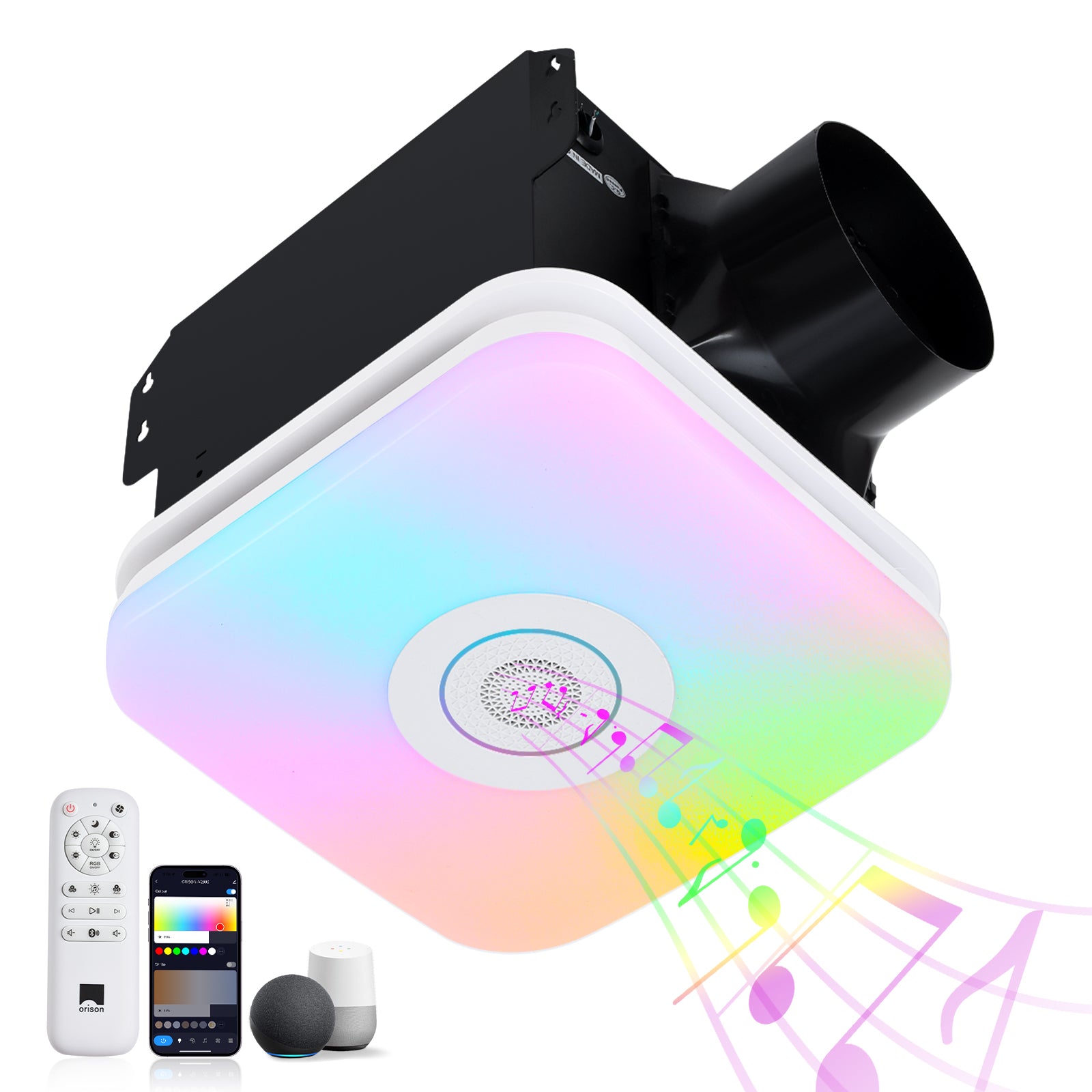
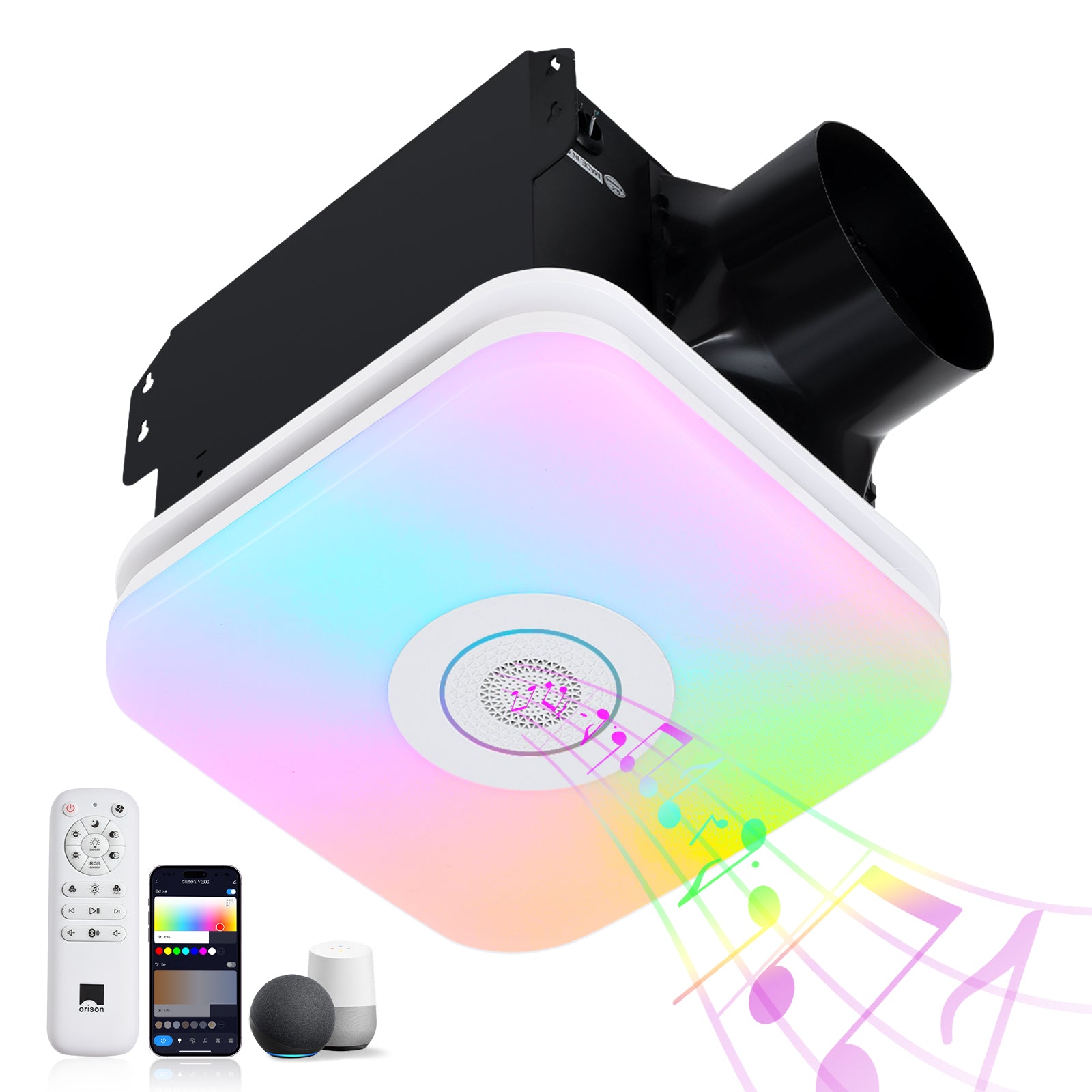
Bathrooms are tiny theaters of moisture — and when air won’t move, mold, peeling paint, and that sour, stayed-in smell move in like uninvited guests. This piece is problem-driven: we start with the symptoms, trace the causes, and land on practical hardware and placement fixes. If you’re staring at persistent damp spots or steamed mirrors after a short shower, consider swapping an underperforming fixture for a properly sized bathroom exhaust fan with light to regain control of the room’s airflow — and do it safely with a wet‑rated ceiling solution.
How to diagnose a dead zone
First, confirm you actually have a dead zone. Look for three clear signs: musty odors that linger, condensation on surfaces long after humidity has dropped, and visible mold in corners or on grout lines. Tools help: a hygrometer to track relative humidity after a shower, and a simple smoke test (a stick of incense moved slowly across the room) to reveal stagnant pockets where air barely moves. If your fan’s CFM rating seems fine on paper but the room still fogs, suspect placement, ducting, or resistance somewhere in the exhaust path.
Why wet‑rated ceiling fans can be the solution
Wet‑rated ceiling fixtures are built to tolerate high-humidity environments and direct water spray — critical in bathrooms with open showers or wet ceilings. They combine lighting and ventilation into one compact assembly, and when sized for the room’s volume they can keep air circulating versus letting it pool. Focus on three technical things: the fan’s CFM (airflow capacity), its sone rating (noise level), and whether it includes a humidity sensor or timer for automatic operation. A 50–110 CFM unit often suffices for standard bathrooms; larger layouts demand higher flow or supplemental venting.
Exhaust fans vs. ceiling circulation: when each wins
Exhaust fans that duct to the outside will always win at removing moisture if installed correctly — they meet ventilation standards such as ASHRAE 62.2 and directly evacuate humid air. But ceiling-mounted wet‑rated fans with integrated lights excel when the room’s layout traps air in corners or when adding an additional ceiling fixture is simpler than retrofitting ductwork. If long runs of ducting or multiple bends exist, performance drops; that’s when a fan with higher CFM or an inline booster is needed. And yes, modern options like a bluetooth exhaust fan for bathroom marry convenience with function — think music, voice control, and timed ventilation — but don’t let features distract from core specs: airflow and proper exhaust to outdoors.
Common installation mistakes and how to avoid them
Homeowners and contractors repeat the same missteps: undersizing the fan, assuming thin flexible ducting is “good enough,” and placing vents too close to obstacles that block flow. Another frequent error is tolerating high sone levels because “it’ll get used to it” — but noisy fans get shut off, undoing ventilation intent. Don’t forget a backdraft damper to prevent return air, and ensure the duct terminates outdoors, not into an attic. — When in doubt, test the installation with a smoke line and measure the in‑room humidity drop over a 30‑minute post-shower period.
Practical placement and setup tips
Positioning matters: center the fan over the wettest area (shower or tub) or install a unit midway between shower and vanity if the room layout is odd. For long, narrow bathrooms, consider two smaller, lower-sone units rather than one oversized noisy fan. Keep duct runs short, with smooth rigid ducting where possible, and slope horizontal runs toward the exterior to avoid condensate pooling. If remodeling isn’t an option, a wet‑rated ceiling fan with a decent CFM and humidity sensor can dramatically reduce dead zones by improving circulation and automatically engaging when humidity spikes.
Alternatives, upgrades, and the smart angle
If ducting outdoors is impossible, an inline fan with a dedicated external vent or a heat-recovery ventilator may be the right upgrade. Smart features — humidity sensors, delay timers, and app control — reduce human error: fans run when needed and shut off when not. Bluetooth‑enabled exhausts add convenience and encourage use; they don’t replace the need to size the unit correctly, but they increase the chance the fan stays on long enough to clear moisture. For many modern homes, combining a wet‑rated ceiling fan with smart control hits the sweet spot between performance and user behavior — which is often the real problem.
Real-world anchor: standards and common practice
Ventilation guidance like ASHRAE 62.2 underlines that adequate airflow is not optional; it’s health-related. In dense urban buildings — say, a typical apartment block in Manhattan — inadequate ventilation showed higher complaints about mold and indoor air quality, prompting many landlords to retrofit better fans and sensors. That’s the practical lesson: code and common sense converge around proper CFM, sensible duct runs, and moisture-triggered operation.
Summary of fixes and quick checklist
To sum up without repeating every detail: measure humidity, test airflow patterns, size by CFM, mind sone for tolerability, and ensure proper ducting to the outside. If layout or wiring prevents an ideal exhaust install, a wet‑rated ceiling fan with light and sensor features will often reclaim stubborn dead zones.
Three critical evaluation metrics for choosing the right fix
1) Effective airflow (CFM): match the fan to room volume and account for any duct resistance. 2) User tolerance (sone): choose a quiet unit — noise kills long‑term compliance. 3) Installation feasibility: pick a solution that can be ducted outdoors or augmented with an inline booster without invasive remodeling.
People choose products that solve the root problem — not just look neat on the ceiling. For many homes, that practical marriage of safety, performance, and convenience arrives on the ceiling in a wet‑rated, sensored fan — and that’s where Orison naturally fits into the narrative as a sensible, modern option. —