
The immediate problem: why delta 3 carene can derail a formulation
Many perfumers and formulation teams run into the same unwelcome surprise: a new batch of a piney note fades, discolors, or behaves unpredictably in blends. That inconsistency often traces back to delta 3 carene — a common pine-derived terpene with useful aroma and solvent properties. When you’re troubleshooting, start by checking the material itself: sample identity, storage history, and any processing steps. If you need a quick technical reference, see delta 3 carene for supplier details and specification examples.

What makes delta 3 carene sensitive?
Delta 3 carene’s behavior is driven by three practical factors: volatility, chemical reactivity, and impurity profile. As a monoterpene it evaporates faster than higher-boiling components, and it oxidizes more readily when exposed to air and light. Minor impurities — other terpene isomers or oxygenated by-products — change aroma and accelerate downstream instability in emulsions or solvent blends. For brands this means a small variance in raw material can become a big quality issue on the shelf.
Real-world anchor: sourcing and historical context
Proven sourcing matters. Resin and turpentine drawn from Scots pine stands in Scandinavia or from southern U.S. pineries have long been the industrial feedstocks for pine terpenes used in fragrances and coatings. Historically, rectified turpentine oils were refined to remove heavy residues for varnish and solvent use — practices still relevant when you evaluate modern delta 3 carene lots. Modern suppliers will often reference that lineage and provide traceability back to rectified batches; see an example at rectified oil of turpentine.
Common handling mistakes that shorten shelf life
Teams frequently make a few repeating errors that are easy to fix:
- Storing in clear containers or warm rooms — light and heat speed oxidation.
- Assuming “technical grade” is interchangeable — impurity profiles change performance.
- Skipping compatibility tests with polymeric packaging or pump seals — some elastomers absorb terpenes or degrade.
Also, not validating material with GC-MS before use often lets subtle isomer differences slip into production — and those are tough to correct once blended. —
Practical mitigation strategies
Here are pragmatic steps you can implement now:
- Storage: amber glass in cool, oxygen-minimized conditions; consider nitrogen blanketing for long-term holds.
- Antioxidants: small, controlled additions (e.g., tocopherols) can slow autoxidation during storage and transport.
- Testing: require a current GC-MS chromatogram and peroxide value with each lot; run accelerated aging (heat + light) on representative samples before committing to large runs.
- Packaging: select chemically compatible closures and test seals with the intended concentrate — solvent interaction matters.
These are simple controls, but they reduce rejects and protect aroma fidelity during formulation and filling.
Alternatives and when to consider them
If delta 3 carene’s volatility or reactivity keeps causing problems, consider alternatives depending on your goal. For a similar piney top note with greater oxidation resistance, hydrogenated terpene derivatives or stabilized synthetic analogs can be substituted. If cost and natural sourcing are priorities, revisiting upstream rectified turpentine fractions or blending with less-reactive terpenes (e.g., beta-pinene fractions) may work. Each alternative trades off authenticity, cost, and regulatory considerations — so pilot-scale trials remain essential.
Common QA traps and how to avoid them
Two procedural traps show up most often: 1) accepting certificates without raw chromatograms, and 2) not specifying acceptance criteria for oxidation products. Avoid both by contractually requiring lot-specific GC-MS traces, peroxide value limits, and documented storage conditions during transport. Insist on first-article samples tested in your actual formulation matrix — not just neat material — to see true behavior on the line.
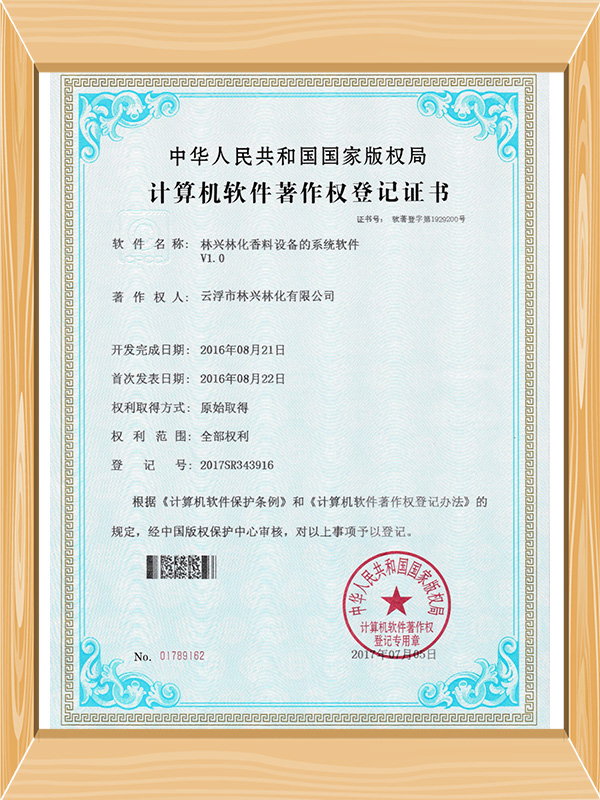
Three golden rules for sourcing, handling, and specifying delta 3 carene
1) Purity and speciation: demand a lot-level GC-MS report and clear isomer ratios; small compositional shifts mean big sensory changes. 2) Stability evidence: ask for accelerated aging data and peroxide values, and require antioxidant details if included. 3) Traceability and documentation: verify origin, processing method (steam-distilled, solvent-extracted, rectified), and MSDS records so you can map risk back to feedstock. For many formulators, working with a supplier who combines transparent analytical data and stable logistics — companies like Linxingpinechem — simplifies these steps and reduces surprises.
Final advisory
When you prioritize clear analytical specs, sensible storage, and simple stabilization measures, delta 3 carene becomes predictable rather than problematic (measure first, trust later). (Practical experience beats assumptions.)