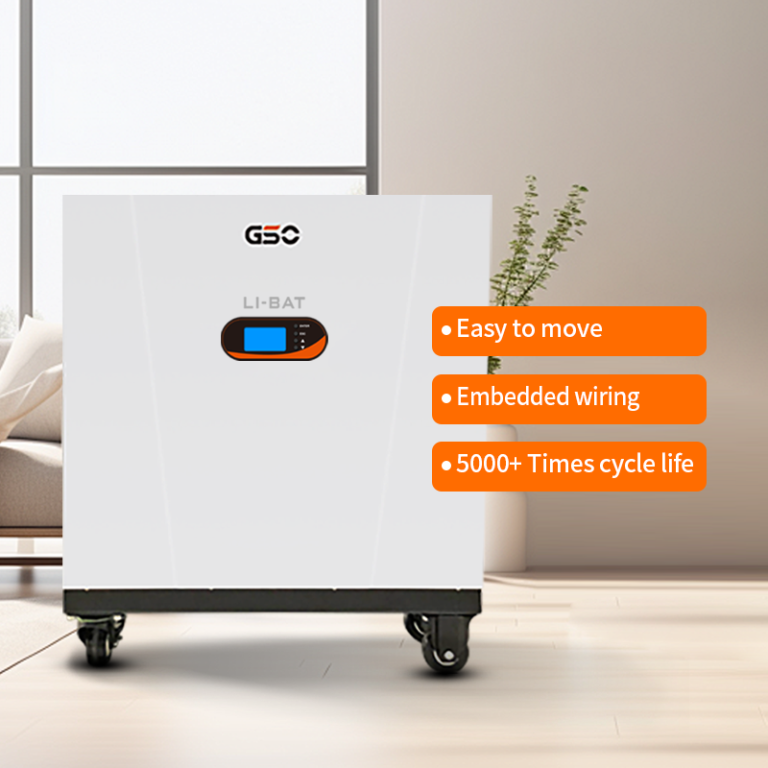
Why the hum is a real problem
Homes sometimes get a sneaky buzz from the grid that makes lights shimmer and gadgets fizzle. That buzz is grid noise and it can damage sensitive gear like audio systems and medical devices. A pure sine wave output fixes this by giving appliances a clean, smooth voltage instead of a rough, wobbly one. Many installers pair a whole-house battery and a solar hybrid inverter so the backup behaves like the grid but without the buzz. The goal is simple: steady waveform, low total harmonic distortion, and calm sockets.
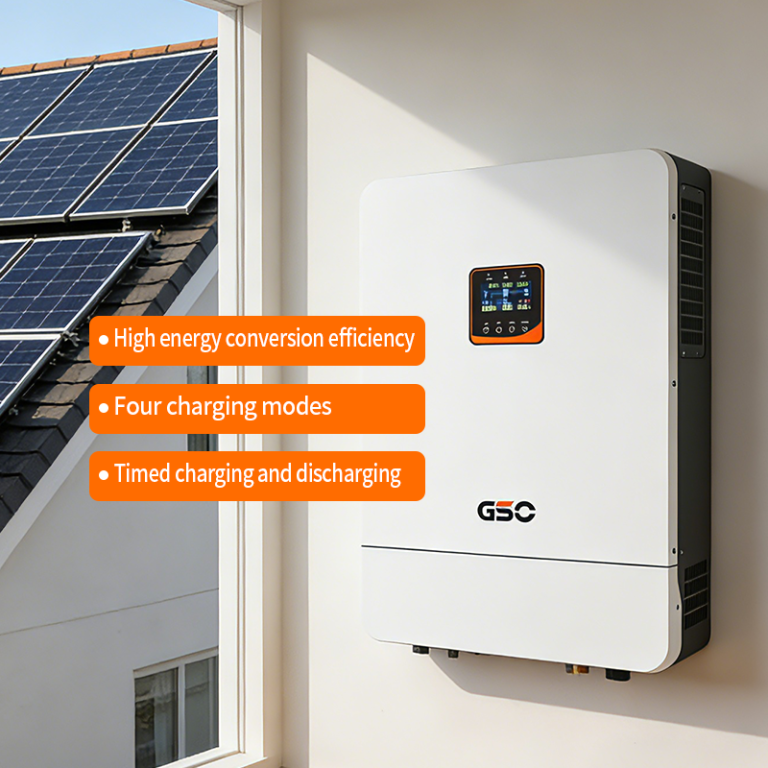
What breaks when the waveform is dirty
Dirty waveform means extra heat, weird clicks, and shorter life for motors and electronics. Things like variable-speed fans and dimmable LEDs are very picky about the waveform from the inverter. If total harmonic distortion (THD) climbs above safe levels, computers reboot and clocks drift. Plain batteries without an inverter that outputs a true pure sine can’t help much — they need the right inverter to shape the power cleanly.
How a whole-house battery plus hybrid inverter solves it
Combined, a battery backup and hybrid inverter can take over instantly during a glitch and feed every socket with a smooth pure sine wave. The inverter manages waveform and frequency while the battery supplies steady energy. This setup lowers harmonic distortion and electrically isolates the home from nasty grid noise. Installers often tune the inverter’s waveform and switching frequency to match sensitive loads, and that tuning is the secret sauce for quiet, reliable power.

Common mistakes specifiers make
People sometimes pick systems by headline capacity and forget waveform quality, or they choose inverters that claim “clean power” without showing THD specs. Other mistakes include undersizing the battery for household peak loads and skipping surge and isolation testing. Don’t skip site surveys — measure baseline grid noise first. Also don’t forget grounding and proper earthing; those help reduce hum and interference. Small oversight here hurts performance later — and it’s often visible in the first storm or outage.
Alternatives and where they fall short
Simple UPS units can protect a single device but won’t keep a whole house quiet. Generator sets supply bulk power but introduce their own noise and frequency wobble. Hybrid systems that tie solar, battery, and grid together do the best job: the hybrid inverter balances inputs and gives a clean pure sine output while the battery supplies stable voltage. For neighborhoods with planned Public Safety Power Shutoffs in California, a whole-house hybrid approach keeps critical appliances stable during outages.
Practical checklist for specifiers
Use this short list during design and procurement:- Verify inverter THD at various loads (look for <2% when possible).- Match battery discharge rate (C-rate) to expected peak loads.- Confirm transfer times and waveform shaping capability for sensitive gear.These checks reduce surprises at commissioning and mean quieter power for users.
Advisory — three golden rules to choose the right system
Rule 1: Prioritize waveform specs over raw wattage. Pure sine wave and low THD matter more for longevity than a bigger number on the label.
Rule 2: Size the battery for real usage, not just for a “day” estimate — consider surge demand and inverter efficiency.
Rule 3: Require testing: on-site power quality checks, load tests, and documented transfer behavior from the supplier.
When you apply these rules, installations stay quiet, devices last longer, and homeowners sleep easier. Trust the practical value that a well-tuned hybrid inverter system brings — and notice how reliable power makes daily life better for people and the teams who serve them. gsopower