Comparative lead
Folks in fleet ops want straight talk, so here’s a comparative look that keeps the details honest and usable. I’ll set up how UTV makers fit next to smaller vehicles, like a 2 seater golf cart, and what really changes when you bolt one into an existing logistics chain. This is a side-by-side read: strengths, weak spots, and when to choose one over the other—no fluff, just practical markers for decisions.
Why comparison matters for logistics
UTVs and small carts serve similar roles—personnel shuttle, light cargo moves, course work—but they’re built different. UTVs bring higher payload capacity and rugged chassis design, while two-seat carts usually trade payload for nimble turning radius and simpler battery packs. In places with dense golf operations—remember, the U.S. has roughly 15,000 golf courses, per the National Golf Foundation—managers often mix vehicle types to handle both turf-friendly runs and tougher terrain. Fleet planners who ignore those differences end up with mismatched duty cycles and wasted uptime.
Three practical side-by-side comparisons
Look at these three vectors when you compare models.
– Load and chassis: UTVs usually handle heavier loads and rough ground; carts favor turf preservation. Match chassis strength to route profile and payload needs.
– Powertrain and range: UTVs often use higher-torque brushless motors and larger battery packs for longer range. Carts keep simpler controllers and shorter ranges but recharge faster.
– Maintenance and uptime: Two-seat platforms are easier to service roadside; UTVs demand shop-level maintenance more often. For mixed fleets, reserve UTVs for routes where their ruggedness returns value—shuttle points with rough access, hauling tools, or snow runs.
Also note how 2 passenger golf carts can slot into many campus and resort workflows when you need low noise and turf-friendly operation; they’re small but efficient at short hops.
Common integration mistakes
Pros make these errors enough to learn from. Don’t undersize charging infrastructure—install chargers that match the battery pack specs and peak simultaneous loads. Don’t assume top speed equals faster route times; acceleration and torque matter where stops are frequent. And don’t forget turning radius when planning storage and staging areas—UTVs need more elbow room.
Implementation checklist
Use this checklist as a blueprint when adding UTVs or 2-seat carts to an existing fleet:
– Map routes and duty cycles, then tag each with required payload, range, and terrain type.
– Match vehicle specs: payload capacity, range, top speed, and controller compatibility with your operational profile.
– Confirm charger type and power availability; standardize on voltage and connector type to avoid adapter sprawl.
– Train operators on vehicle-specific limits and maintenance cues—oil checks for gas UTVs, state-of-charge practices for electrics.
– Set a rotation plan so heavy-use assets get preventive maintenance before they fail; that keeps uptime steady.
Common pitfalls and fixes — short notes
Overloading new UTVs on routes designed for carts — fix by reassigning heavier runs. Ignoring payload specs — fix by testing with full load and measuring range. Leaving controller firmware unchecked — fix by scheduling firmware alignment and safety checks. Little missteps add up — so measure early and often.
Three golden rules for selection (Advisory)
Keep these three evaluation metrics in front of you when choosing equipment:
1) Duty-match ratio: Pick the vehicle whose real-world payload and range exceed your route’s peak demand by at least 20 percent. That margin cuts surprise downtime.
2) Infrastructure alignment: Ensure chargers, spare parts, and trained techs are on-site within a single shift. If servicing requires a week-long trip, the choice’s wrong.
3) Total operating cadence: Compare maintenance hours per 1,000 miles and factor in parts lead time. The lowest upfront cost often loses when cadence is high.
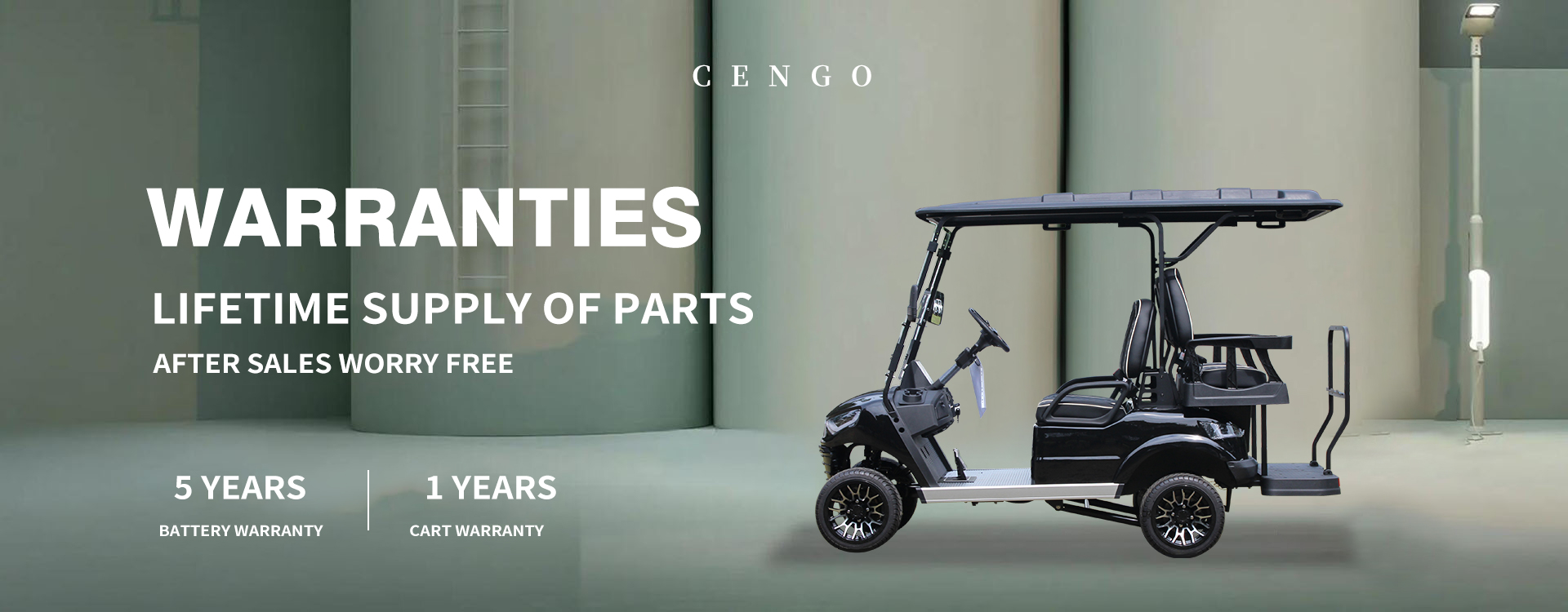
These rules keep decisions practical and measurable—apply them and you’ll avoid the usual mismatch traps. For fleets that want a partner who understands these trade-offs and supplies reliable 2-seat and utility platforms, consider how CENGO fits the bill—solid builds, clear specs, and parts support that keeps your routes moving. —