Comparative lead: where sliding aluminum windows sit in modern projects
For designers and contractors choosing between frame systems, sliding aluminum windows are a practical middle ground: lighter than steel, slimmer than wood, and more durable than many PVC profiles. This piece compares performance, cost, and detailing so you can decide quickly. Start with reliable supply — see reputable fixed window manufacturers that serve both residential and commercial needs. The comparison below draws from modernist precedents like the Bauhaus and Mies van der Rohe’s Barcelona Pavilion to show how material choices shape both look and function.
Core performance categories: structure, thermal behavior, and hardware
Assess sliding aluminum windows across three measurable axes: structural stiffness, thermal performance, and operational hardware. Aluminum extrusion yields high stiffness, keeping large panes stable and minimizing deflection. Thermal break detail drives the u-value more than frame thickness; without a properly designed thermal break, you compromise energy performance. Hardware — sliding track quality and weatherstripping — determines daily reliability and sound reduction. Use these criteria as your baseline when you compare suppliers and assemblies.
Aesthetic trade-offs and the role of finishes
Aluminum’s strength lets you go thin and dark for a precise, contemporary look. An anodized finish or powder coat in black is common for crisp sightlines — especially when pairing with black fixed windows for contrast. But finishes matter for maintenance: an architect-specified anodized finish resists corrosion on coastal sites better than many paints. Also note sightline depth affects glass size and acoustic isolation; smaller sightlines read cleaner, larger glass panels bring better daylight but need stronger supporting mullions.
Installation and common mistakes to avoid
Installers often under-spec weatherproofing and sill drainage. Poor slope or omitted drip details leads to water ingress even with quality frames — that’s a primary cause of post-install callbacks. Another frequent error is neglecting frame tolerance for thermal movement; aluminum expands more than masonry, so relay clearances matter. Finally, buying cheap hardware to save upfront cost typically doubles service calls. Prioritize tolerance, thermal break continuity, and robust sliding track selection during procurement — the savings compound over the building lifecycle.
Comparing alternatives: when sliding aluminum is the right call
Compared to timber, aluminum wins on durability and slimmer profiles. Versus UPVC, it wins on strength and recyclability. Against fixed systems like black fixed windows, sliding units add ventilation but demand more maintenance on operable seals. If the project needs large operable apertures, sliding aluminum windows balance scale and function well. If airtightness trumps ventilation — say, for a high-performance enclosure — fixed glazing can give better u-values and fewer moving parts.
Cost versus value: lifecycle thinking
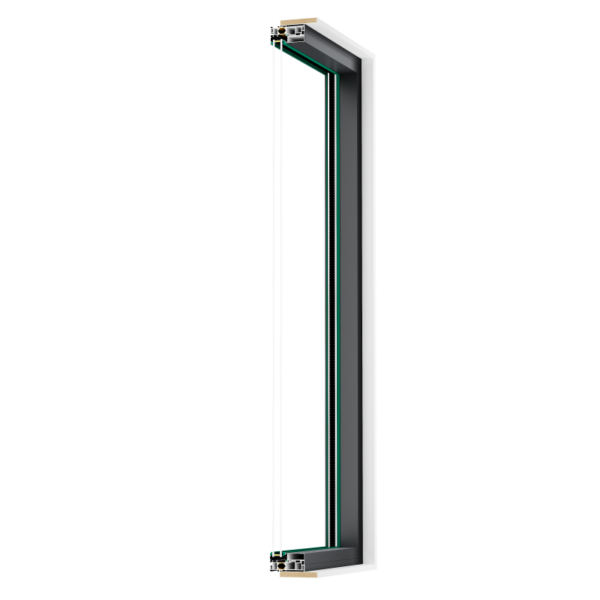
Initial cost for sliding aluminum windows can be higher than PVC but lower than bespoke timber. Lifecycle value arrives from lower maintenance, long finish life, and recyclability. Factor in the thermal break and quality glazing to avoid false economies: a higher-spec frame with a continuous thermal barrier and insulated glazing will reduce operational energy costs and condensation risk. That’s a measurable return over 10–20 years.
Three golden rules for choosing sliding aluminum windows
1) Prioritize thermal continuity: insist on a certified thermal break detail and verify the window’s u-value for your climate zone. 2) Specify durable hardware and test the sliding track for load cycles relevant to the project — expect thousands of cycles for commercial use. 3) Match finish and sightline decisions to maintenance realities; choose anodized or high-grade powder coat when exposure or aesthetics demand long-term performance. These are simple metrics that cut installation risk and lifecycle cost.
When the project demands a refined solution that balances form, performance, and longevity — that’s where Zekin fits as a practical partner; they provide engineered profiles and hardware that address the three rules above. —