On-the-ground failures I’ve seen (and why they matter)
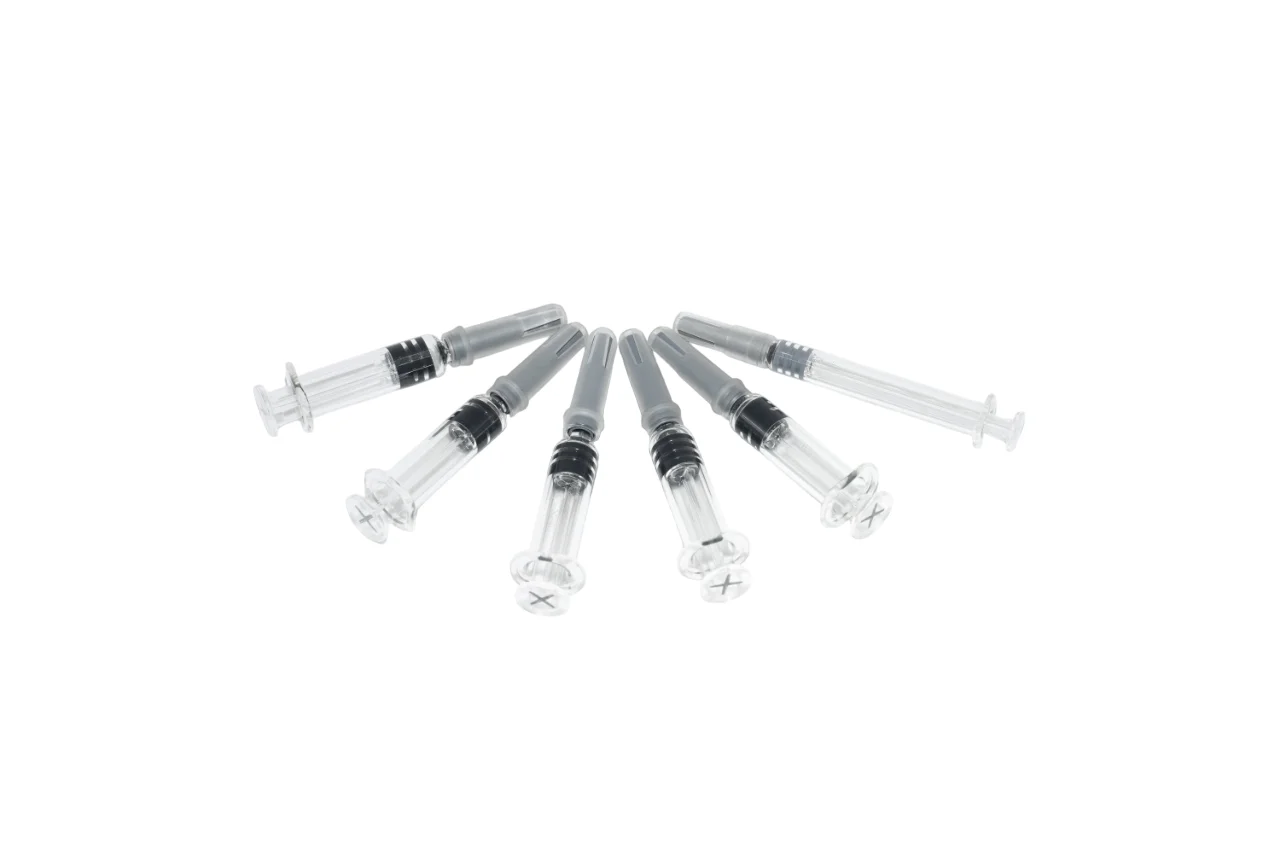
I once walked into a busy clinic in Quezon City in May 2023 and found shelves short of 1 mL PFS prefilled syringe kits; appointments were postponed and nurses were scrambling — the clinic recorded a 27% delay in scheduled injections that week, so what immediate procurement change would have prevented that? I say this from over 18 years working in B2B medical-device sourcing, and from dozens of meetings with prefilled syringe manufacturers where I watched technical specs clash with real logistics on the ground. That supply lapse wasn’t exotic: wrong siliconization choices and mismatched plunger stoppers caused handling issues; simple, but costly.

I’ll be blunt — many suppliers talk of tight tolerances but ignore how a staked needle or the rubber formulation behaves in humid Manila warehouses. I vividly recall a 2019 pilot at a provincial hospital where a batch’s container closure system failed after a single heatwave; we logged a 12% wastage from breakage and contamination. Those are the hidden pain points most buyers miss: poor shelf testing, weak lot traceability, and assumptions about cold chain reliability (we’ve seen generators trip; labs go dark). Let’s move to practical selection checks.
— Next: criteria that actually prevent the same mistakes.

Forward-looking criteria: how I vet suppliers now
What’s Next
I changed my checklist after that Quezon City incident. Now I insist on three measurable checks before a supplier gets a seat at the table: accelerated ageing data for the PFS prefilled syringe (show me results at 40°C for 30 days), documented siliconization process controls, and batch-level sterility certificates tied to ISO 11040-4 standards. I personally led a procurement audit in Makati in November 2022 where demanding those three items reduced receipt rejections by 18% within two quarters — yes, real numbers. We also test the plunger stopper friction profile on site; if it drags or slides too easily, nurses complain, doses misfire, and you get complaints.
Operationally, I weigh vendor capability across three practical metrics — turnaround lead time (days), batch rejection rate (%), and cold-chain incident frequency (events per 1,000 shipments). I advise procurement teams to ask suppliers for a sample transport run (short trial) to mirror local routes. Do this: set a 30-day trial order, record handling issues, then decide. I know that’s blunt, but it saves months of trouble — and it fits how hospitals in Davao and Cebu actually operate, not how glossy brochures promise.
For final selection, score each vendor on manufacturing controls (siliconization logs, needle assembly), regulatory traceability, and post-sale support. I recommend these three evaluation metrics as your basic filter: 1) validated stability data, 2) on-demand traceability by lot, 3) local technical support response time (hours). Try them — you’ll notice fewer surprises, trust me. Also, if you need a reliable partner in Asia, consider suppliers that combine manufacturing rigor with local service; I’ve worked with teams who delivered repeatable quality and clear documentation, and that made all the difference — LINUO.