Problem first — why many merchants lose revenue to energy systems
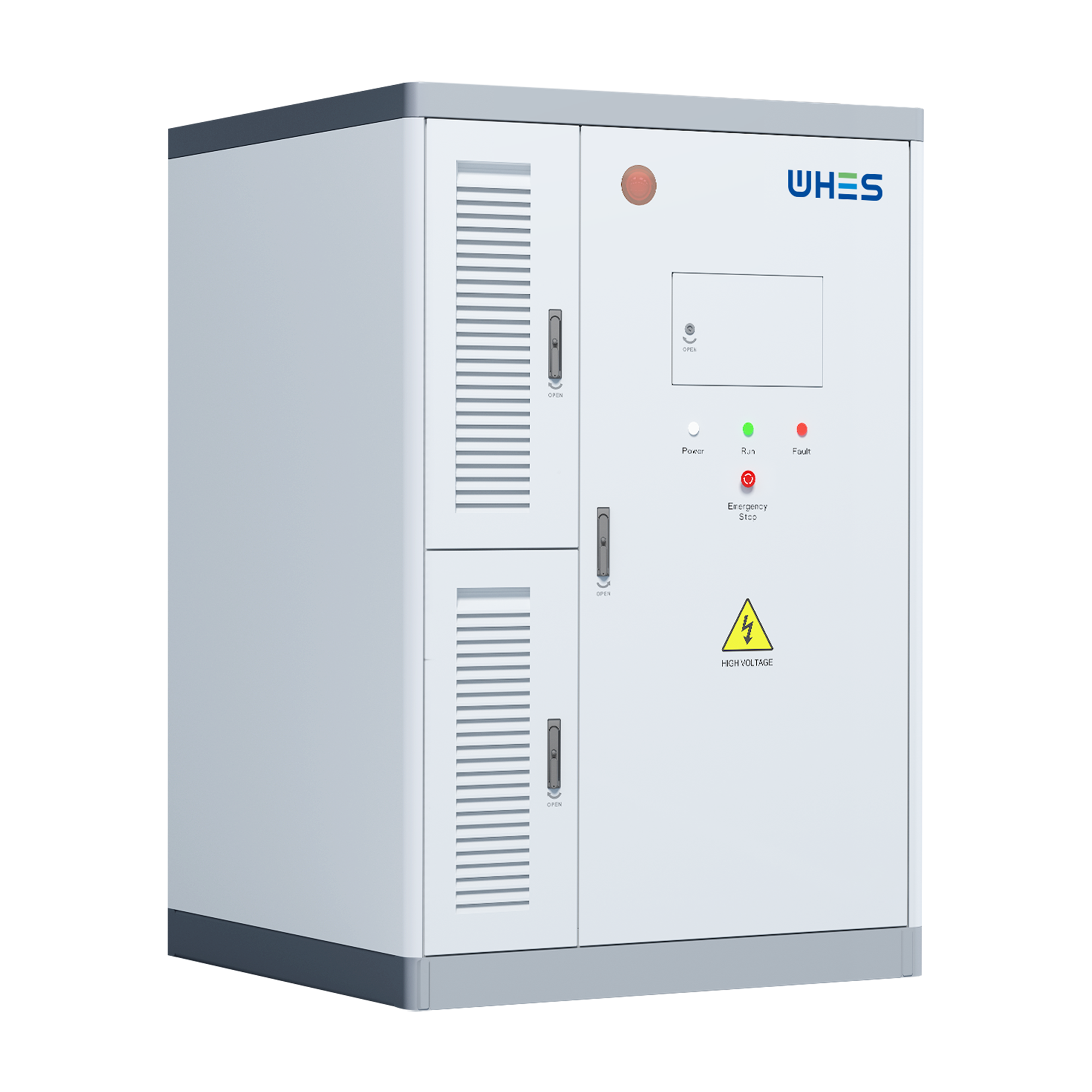
Merchants face new cost pressures from variable tariffs, rising peak demand charges, and the need for reliable backup power. The simple truth: without smart storage, energy becomes a cost leak. A practical fix is modular, flexible storage deployed like equipment you can scale and monetize. A good reference product is a home battery energy storage system, which shows how containerized battery stacks can work at merchant scale while supporting mixed loads and business continuity.
Why this matters now — real-world anchor and context
Look at recent power events such as the Public Safety Power Shutoffs in California since 2019. Businesses lost sales and spoilage when grids went offline. At the same time, commercial sites in many cities increasingly run three-phase supplies and want seamless integration with solar and EV chargers. This is why flexible storage containers matter: they bridge peak-shaving, backup, and new revenue streams like managed charging or energy-as-a-service. Industry terms to know here include kWh (capacity) and inverter (power conversion).
How flexible storage containers address the problem
Containers give merchants modular capacity. You add or remove battery modules by need, not by replacing whole system. They can host dedicated BMS (battery management system), three-phase inverters, and grid-tie controls for smooth export and import. That means you can run demand charge management during business hours, then serve EV charging in evenings, and retain backup for outages. Integration also simplifies permitting and maintenance for rooftop solar + storage pairings — including a full 3 phase solar system when the site grid needs balanced phases.
Merchant revenue stacks you can build
Think of storage as platform, not just battery. Key revenue and saving streams include:
- Demand charge reduction — shave peaks so utility bills drop.
- Time-of-use arbitrage — charge low-price hours, discharge high-price hours.
- Premium backup service — sell guaranteed uptime to tenants or customers.
- Managed EV charging — monetize charging with dynamic pricing.
- Grid services — where markets allow, provide frequency response or capacity and earn credits.
These stacks work best when BMS and inverter control are open and programmable. Also remember: contracts and warranties must match intended revenue uses — otherwise you may void a payment stream. — a small oversight can stop a whole business model.
Common mistakes merchants make
Many fail by design errors rather than technology faults. Typical mistakes:
- Oversizing or undersizing capacity without load profiling. Guesswork kills ROI.
- Ignoring three-phase balancing and inverter ratings — causes unequal degradation and lost capacity.
- Skipping integration tests with point-of-sale and refrigeration loads — leads to instability on go-live.
- Forgetting regulatory and interconnection rules for export or grid services.
Simple mitigation: run a basic energy audit, simulate peak events, and pilot a single container before portfolio roll-out.
What specs to check when choosing containers
Focus on measurable specs, not marketing claims. At minimum evaluate:
- Capacity (kWh) and usable depth of discharge (DoD).
- Continuous and peak power (kW) per container and per inverter.
- BMS capabilities: cell-level monitoring, thermal management, and state-of-charge accuracy.
- Inverter compatibility: three-phase inverter support, grid-tie modes, islanding behavior.
- Certifications: UL/IEC, IP rating for weather, and local code compliance.
Also check upgrade path: can you add modules without long downtime? That determines how agile your revenue stacking can be.
Small case example — how a retailer in Bangkok tested a container
A mid-size supermarket in Bangkok replaced legacy diesel backup with a containerized battery. First month they used it mainly for peak shaving and saw immediate bill reduction. By month three they added scheduled EV charging for customers, which created new footfall. They kept an eye on transformer loading and balanced phases with a three-phase inverter — this prevented nuisance trips. The outcome: lower operating costs and incremental revenue from services offered to customers.
Three golden rules for selecting the right strategy
1) Measure first, size second — baseline your loads for at least two weeks. Real load data beats assumptions. 2) Design for revenue flexibility — choose BMS and inverter controls that let you switch modes (backup, arbitrage, grid services) without hardware swap. 3) Contract clarity — ensure warranties, performance guarantees, and interconnection allowances align with your intended revenue streams.
When you follow these rules, modular containers convert from capex line-item into a revenue platform. For practical, configurable systems that support merchant use-cases and three-phase integration, consider how WHES fits into your rollout plan. Start small, scale fast.