Introduction — why the bottle matters
Packaging decisions shape a brand’s story as much as the scent itself. For independent perfumers and boutique brands, selecting a custom perfume bottle or an engraved perfume bottle is not only an aesthetic choice but a strategic one: it affects cost, supply chain resilience, regulatory compliance, and environmental footprint. This comparative piece takes a concerned, factual look at the trade-offs across common wholesale options so you can match the bottle to your brand’s values and market goals.
What to compare: core dimensions that decide success
Compare suppliers and formats across four dimensions: material, customization depth, minimum order quantity (MOQ) and lead times, and environmental impact. These dimensions determine upfront cost and long-term brand viability. In Grasse — the historic perfume capital of France — designers still balance heritage glass with new refill systems; that tension mirrors global shifts driven in part by policies like the EU Single‑Use Plastics Directive (2019), which nudges brands toward refillable or recyclable formats.
Materials and environmental trade-offs
Glass, aluminum, and PET each have strengths and liabilities. Glass reads premium and is infinitely recyclable where infrastructure exists, but heavier transport increases carbon emissions. Aluminum offers lightweight durability and easy recycling; it’s suited for spray mechanisms and travel sizes. PET is cost-effective and light but raises concerns about microplastics and public perception. Choose based on regional recycling realities and your brand promise — if you emphasize sustainability, prioritize refillable glass or recyclable aluminum and document that choice in your marketing.
Customization features: from engraving to complex molds
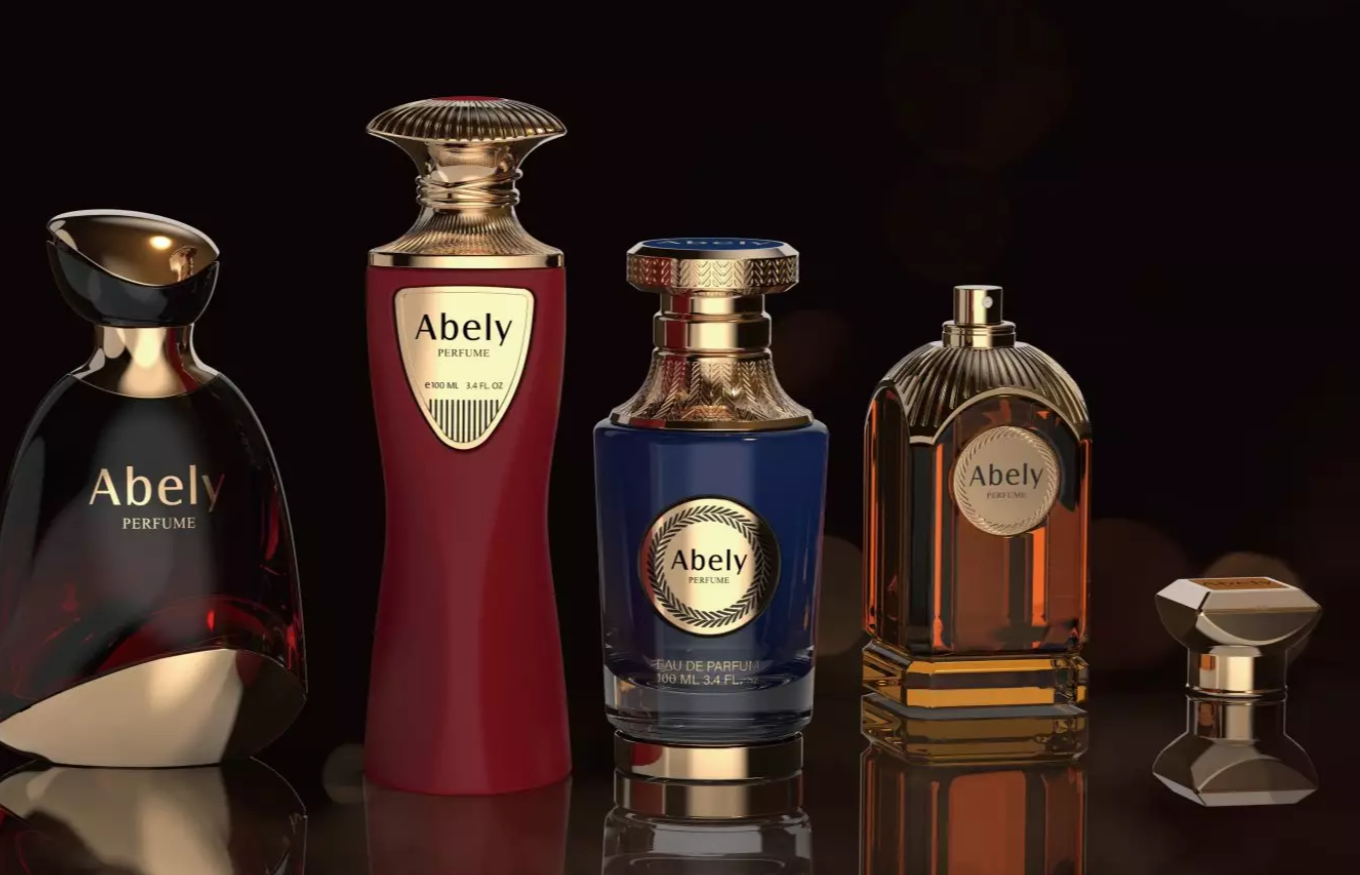
Wholesale vendors typically offer tiers of customization: basic labeling, silk-screened glass, engraved logos, metal accents, and fully bespoke molds. Engraving provides a tactile, permanent identity without extra labels — ideal for limited editions or luxury lines. Molded shapes grant product differentiation but raise MOQ and tooling costs. Consider these trade-offs:
– Engraving: lower recurring costs, high perceived value.
– Custom molds: unique silhouette, higher upfront tooling (best for established SKUs).
– Metal hardware and atomizers: elevate feel but complicate recycling.
Supply-chain realities and common mistakes
Vendors sell promises; real-world constraints often cause delays. Common mistakes include underestimating MOQ, ignoring certification paperwork for imported components, and skipping sample rounds. If you rush to market without testing a engraved perfume bottle sample under varied humidity and temperature, you can discover late-stage failures in adhesion or corrosion. Test early, order conservative initial runs, and keep contingency inventory for promotional seasons.
Vendor selection: comparative checklist
Use a focused checklist when evaluating wholesale suppliers. My EEAT mode here is Practical Expertise—rooted in supplier vetting and transparent specification management—and this checklist reflects that approach:
– Environmental credentials: documented recyclability, refill programs, and compliance with regional rules.
– Customization capabilities: engraving depth, color matching (Pantone), and hardware sourcing.
– Commercial terms: realistic MOQs, lead times, and sample policies.
– Quality assurance: third-party testing, batch traceability, and warranty terms.
Alternatives and creative paths
Not every brand needs bespoke molds. Hybrid strategies can reduce risk: use a premium standardized bottle and apply engraving or metal collars for distinction; or launch with limited-edition engraved runs to gauge demand before committing to a mold. These middle paths balance uniqueness against practical constraints — and they often align better with sustainability goals by extending product lifespan through refillable systems. — It’s a small shift in logic that can save resources and consumer disappointment.
Summary of comparative insights
Choosing wholesale perfume bottles is a balancing act between aesthetics, sustainability, cost, and logistics. Glass scores for luxury perception but costs more to ship; aluminum is light and recyclable; PET is cheap but less defensible for eco-conscious brands. Engraving offers high perceived value at modest recurring cost, while custom molds demand larger investments. Prioritize vendors with transparent environmental practices and flexible sample policies to reduce launch risk.
Advisory — three golden rules for selecting the right strategy
1) Demand verified environmental proof points: recycling rates, refill program mechanics, and compliance with regional directives (e.g., EU 2019 guidance on single-use packaging).
2) Insist on samples and real-world testing for engraved finishes under expected storage and transit conditions.
3) Match customization depth to projected volume: start with low-tooling personalization and scale to bespoke molds when sales data justifies it.
Abely makes these options practical by combining flexible MOQ tiers with proven engraving and refill solutions — a natural fit if you want differentiation without needless waste. Bold craft. Practical choices. —