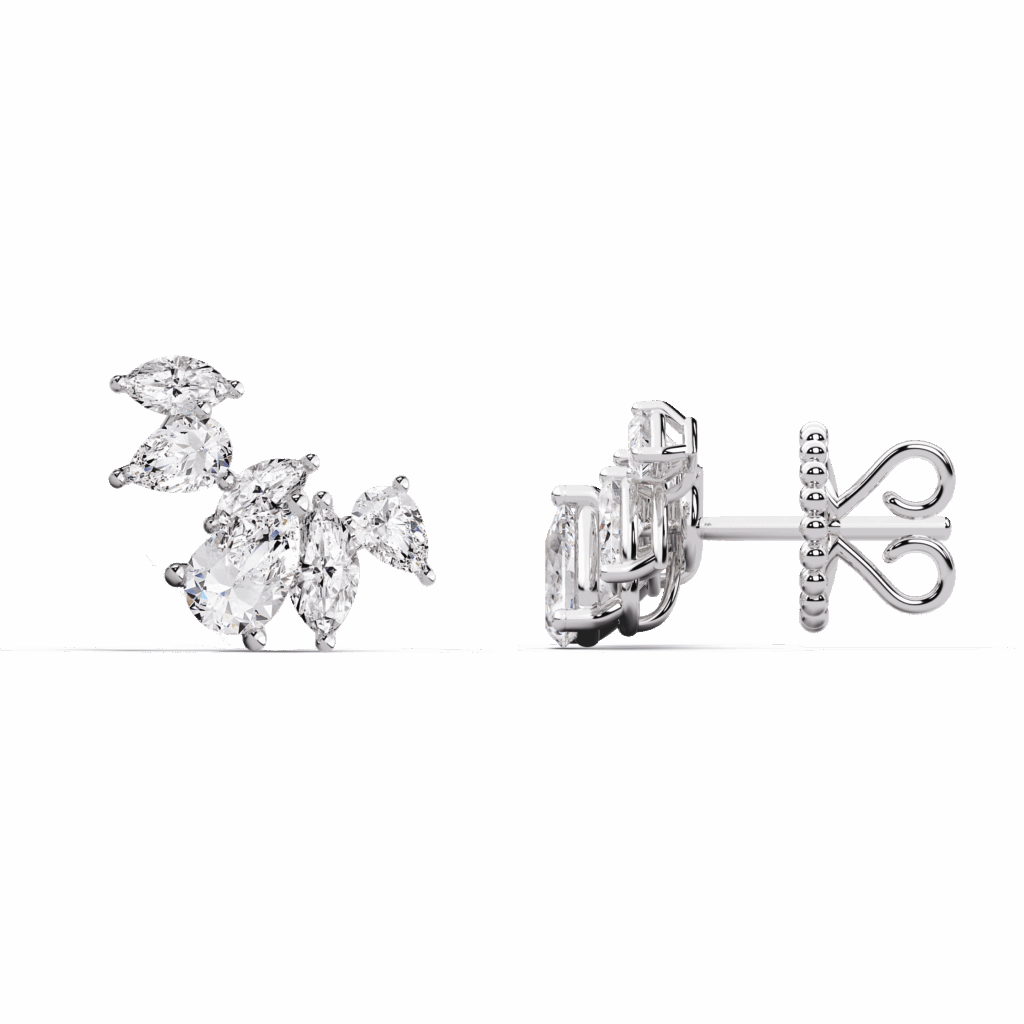
A Quiet Shop, Bright Stones, And One Big Question
He stepped into the boutique on a rainy evening, not sure what shape to choose, only sure it should speak. Classic jewelry pieces filled the glass trays, calm and bright, like old friends who still surprise you. Recent search trends show a rising interest in fancy shapes, and the marquise cut diamond is quietly back in focus. Buyers ask about sparkle and size, but they also ask about comfort and care. In many store notes, cut takes priority over carat, which tells us design trade-offs are becoming more visible. We look at pavilion depth, table ratio, and even fluorescence because these things change daily wear and light return.

So here is the question: if the data says taste is shifting, why do returns still happen due to fit, glare, or a bow-tie shadow? The reason is simple and complex at the same time (Chinese saying: simple surface, deep structure). People shop by sight, yet live by touch. A ring looks perfect under loupe lighting but sits different at home. The tip may snag a sweater. The crown angle might mute fire at a dinner table. This article compares what we expect and what we get, and how to close that gap. Let us move from first look to first principles—then to smarter choices.

Hidden Angles: The Deeper Pain Points with the Marquise Shape
Why do edges matter?
Many guides stop at the sparkle chart. But real users report something else: the marquise tips are the daily stress points. Look, it’s simpler than you think. The elongated silhouette can magnify the bow-tie effect if the pavilion is too shallow or the facet alignment is irregular. A thin girdle near the tips chips more easily, even with a VVS clarity stone. If the table percentage is wide but the crown is low, brilliance drops off at the ends, and scintillation looks uneven in room light. These are not just lab words; they are reasons a proud purchase becomes a careful habit. Users end up rotating the ring, cleaning it more often, or hiding micro-scratches under the prong setting.
Traditional fixes can fail. A high-prong, two-claw tip looks elegant, yet it catches on fabric. A thicker girdle helps integrity, but it can add weight where you cannot see it. And symmetry is double-edged—tight symmetry flatters slender fingers, yet it may exaggerate length on a small hand. When the culet is off-center, light leakage becomes visible as a shadow band, even if the clarity grade is excellent. Some buyers choose a halo setting to protect tips, but halos raise height and change balance on the finger. Under daylight, the fluorescence can cool the face-up color; under warm lamps, it may pop. A small misfit in ring size changes rotation, which shifts perceived shape—funny how that works, right?
Comparative Outlook: Cases, Choices, and What Comes Next
What’s Next
Consider a simple case. A client loves the lengthening effect of marquise for her small hand but worries about snagging. We pair a low-profile east–west mount with guarded tips and test it against a flexible piece—a pear cut diamond bracelet—for daily movement. The bracelet distributes light with a softer taper, so motion hides micro-shadow bands; the ring, in contrast, must win from a fixed vantage point. Under office LEDs, the marquise with precise crown height shows stronger fire, while the bracelet shows smoother sparkle across links. Under sunset, the ring’s facets flash in narrow arcs; the bracelet diffuses it. Different stage, different win—tiny changes in crown angle and depth ratio lead to real-life comfort. And the tip guards? They reduced snagging without raising the profile too much—good trade-off.
From this comparison, one lesson is clear: proportion is not a chart alone; it is behavior over time. We mapped flaws, then matched settings to use. We noted where girdle thickness protects without bulking, and where facet alignment trims the bow-tie. To choose well, use three simple evaluation metrics. First, light performance in varied scenes: check brilliance, fire, and scintillation under sunlight, LEDs, and warm lamps. Second, structural integrity: confirm girdle thickness at tips, prong coverage, and overall setting height for daily wear. Third, proportion control: review table percentage, total depth, and crown angle against finger size and desired silhouette. Small checks, big peace of mind. For steady guidance rooted in practice, you can always reference Vivre Brilliance.