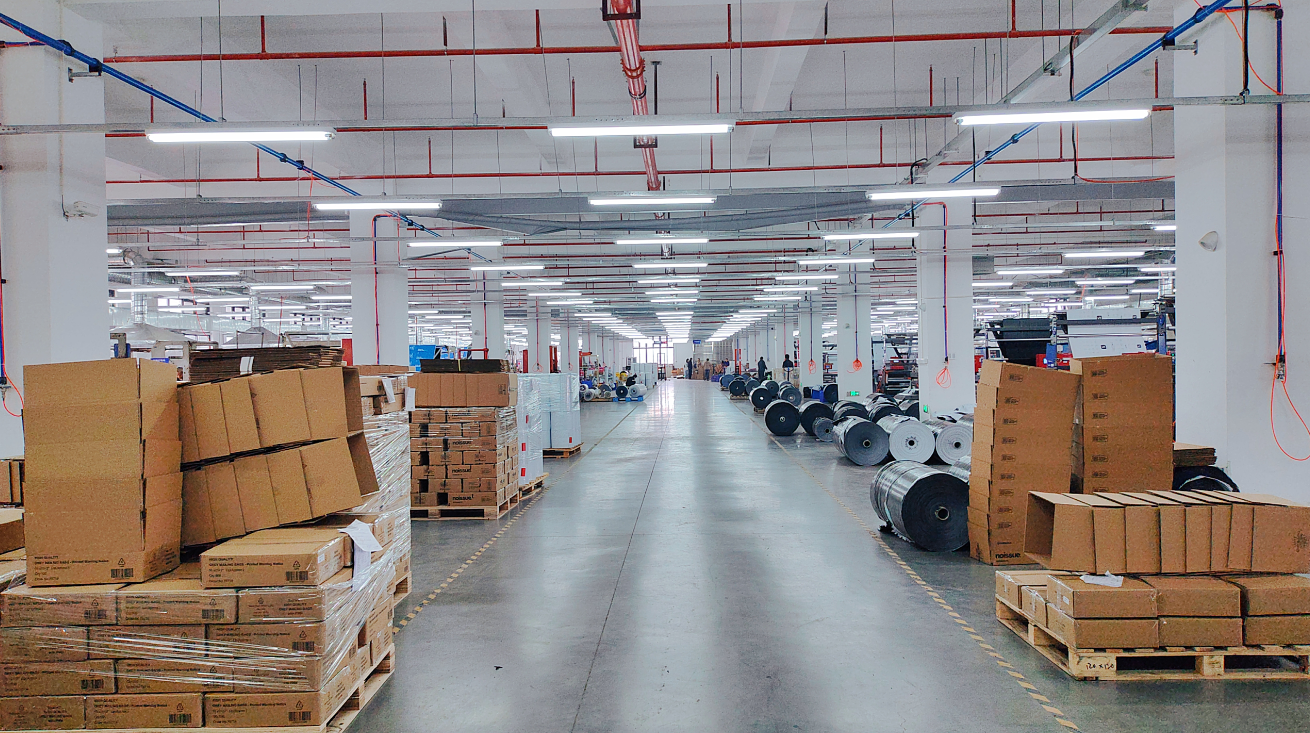
Opening — the packaging problem you didn’t know you had
E-commerce brands face a clear problem: the same poly mailer spec that makes returns painless for tees will torpedo shipments of ceramics. When sales spiked during the 2020 e-commerce surge, packaging supply chains were stretched and many merchants learned this the hard way — damaged goods, angry reviews, and surprise costs. Start by talking to a trusted poly mailer manufacturer who understands differences in material gauge, padding needs, and print durability so you don’t discover flaws on launch day.
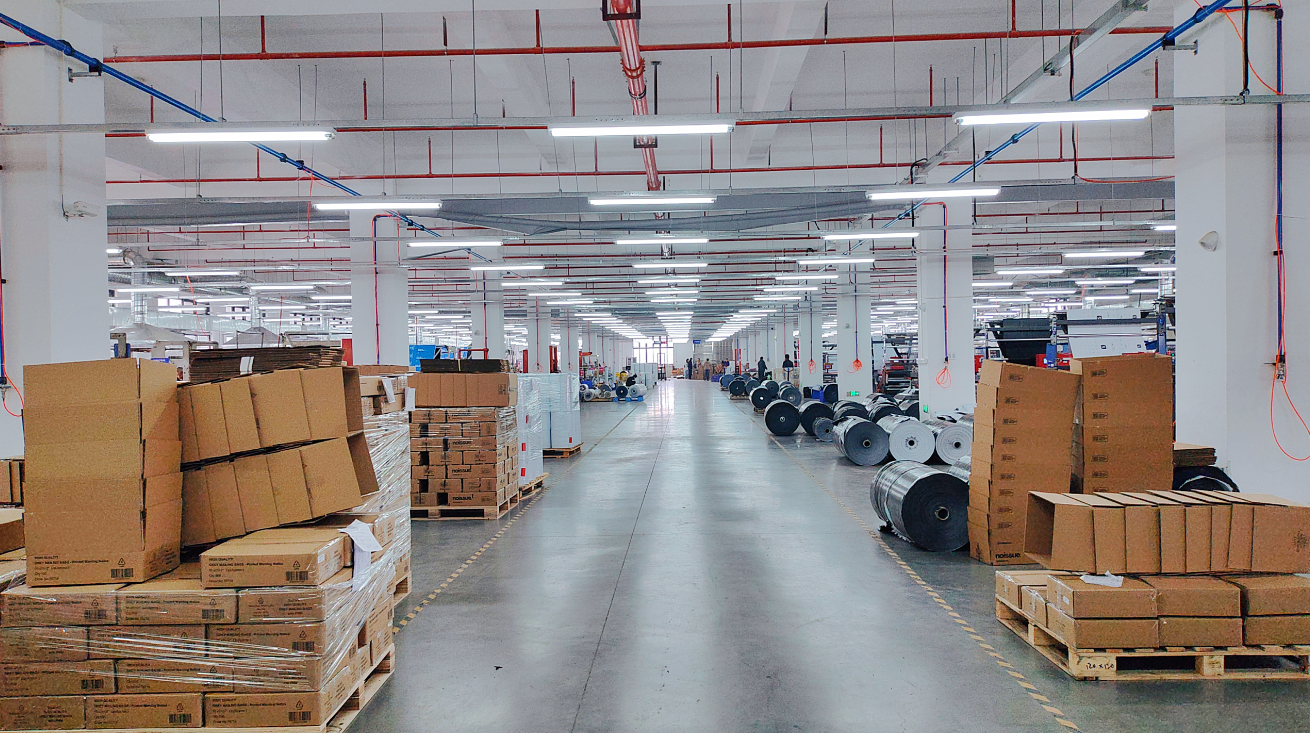
Define the problem: apparel vs. fragile goods
Apparel demands lightweight, low-cost protection and great print for branding; fragile goods demand impact resistance, internal cushioning or dual-layer solutions, and stronger seals. The problem is deceptively simple: choose the wrong film thickness, and returns spike. Choose the right film but the wrong closure, and DNA—dents, tears, or moisture infiltration—shows up in the worst photos. Your brief must map packaging function to product fragility before you design graphics or negotiate MOQs.
Core specs to compare (and why they matter)
There are five technical levers to weigh: film type (LDPE vs. co-extruded), gauge (thickness), barrier properties (moisture/OTR), closure type (self-seal vs. ziplock), and structural features (gusset, reinforced seams). For apparel, a 40–60 micron LDPE with reliable print surfaces and tamper-evident seal often suffices. For fragile items, consider a heavier co-extruded film, a padded liner or bubble layer, and reinforced seals to manage drop energy and puncture risk. These choices affect packing speed, fill-line compatibility, and freight weight—so they’re not just technical, they’re commercial.
Printing and branding — durability vs. cost
High-impact graphics matter for returns and brand recognition, but print method affects performance. Flexographic printing is cost-effective for large runs; rotogravure gives richer color for high-res art; digital is perfect for variable data and low runs. Be wary of print bleed and ink adhesion on low-surface-energy films — insist on print rub tests and sample runs. For fragile-good mailers, avoid inks that crack on fold lines; for apparel, prioritize soft-touch finishes that reflect your premium positioning.
Practical specs: quick side-by-side guide
Compare the typical baseline specs for each use-case:
- Apparel: 40–60 micron LDPE, single-layer film, self-seal, high-opacity white or clear, flexo print.
- Fragile goods: 80–150 micron co-extruded film or dual-layer with bubble liner, reinforced gusset, tamper-evident zip or adhesive strip, rotogravure or laminated print for added stiffness.
These are starting points — your SKU mix, fulfillment method, and return policy will push you toward adjustments.
Common mistakes brands make — and quick fixes
Brands often assume a one-size-fits-all mailer, miscalculate true MOQs, or skip first-article testing. A frequent error: ordering a glossy, thin printed mailer because it looks premium — only to find it rips during transit. Fix it early by requesting drop-test certificates, a sample pack for your fill line, and a written acceptance checklist tied to payment milestones. —
Supplier selection: questions to ask prospective poly mailer manufacturers
When vetting vendors, ask for: documented lead-time adherence, sample turnaround time, print color consistency (Pantone match capabilities), and whether they offer barrier coatings or padded options. Check their QA metrics and whether they run compatibility trials with your packing equipment. Also confirm environmental certifications if sustainability matters to your brand — recycled content and recyclability can be decision drivers in apparel markets.
Trade-offs, cost math, and sustainability
Expect trade-offs between unit cost, protection level, and environmental impact. Thicker films and padded mailers raise freight and material costs but can slash damage rates for delicate products. Conversely, lightweight mono-films lower cost and carbon per unit for high-volume apparel shipments. Factor in total landed cost: product damage, returns processing, and customer experience all count. If you want greener options, ask about PCR content and whether your chosen film is recyclable in curbside streams — not all poly mailers are.
Checklist before you place a bulk order
Before signing, run this checklist: prototype tested on your fill line; documented closure pull force; drop-test and puncture resistance reports; agreed print proof and color tolerance; MOQ and tooling amortization spelled out; and contingency lead-times. If you need help narrowing suppliers, consult a reputable list of poly mailer manufacturers and request samples tied to your SKUs.
Advisory closing — three golden rules for choosing the right custom printed poly mailer
1) Match protection to fragility: specify film gauge and internal padding based on drop-test outcomes, not guesswork. 2) Treat printing as functional: require adhesion and fold tests, and select print methods that don’t compromise film integrity. 3) Build total-cost scenarios: include tooling, freight, returns, and quality rework to compare suppliers fairly.
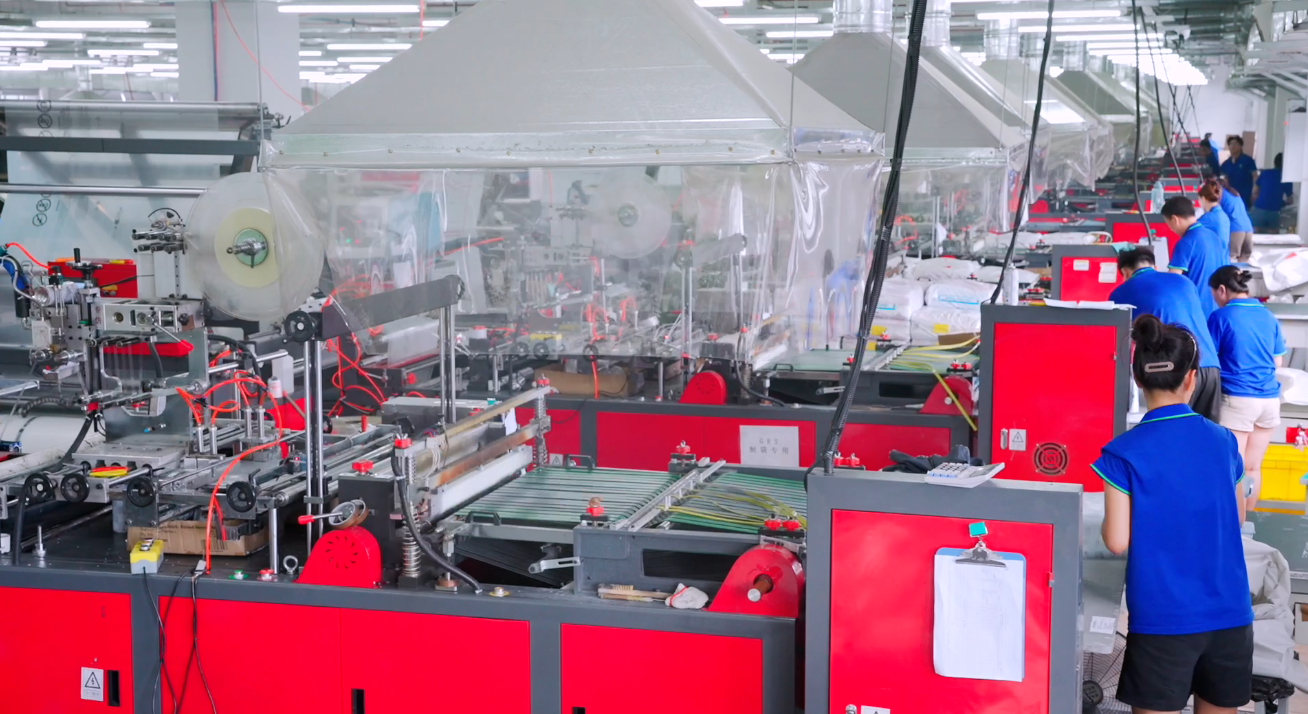
Make these rules your contract backbone, and you’ll move from guesswork to predictable dispatches. WH Packing sits at that intersection — packaging that respects your product and your margins. —
Final thought: choose carefully; ship confidently.