Why a framework matters
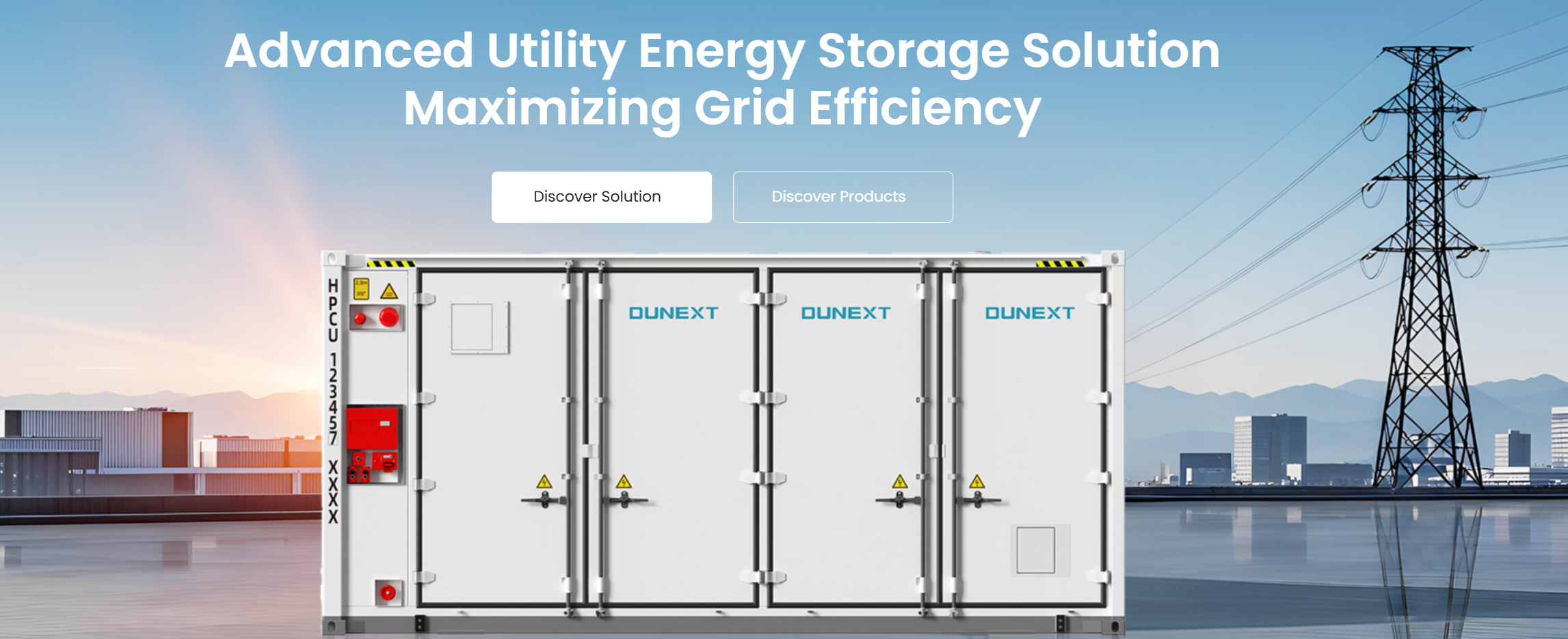
I run on frameworks — quick, repeatable steps that turn messy site data into a confident battery size and spec. Start here: connect lessons from utility systems to building-level decisions, especially from large deployments where dispatch behavior and degradation reveal real costs. I often compare commercial sizing problems to what you see in utility scale energy storage planning: the same trade-offs show up, just scaled down. I’ve advised developers and led technical sizing for campuses and retail portfolios, so these steps come from hands-on work, not theory.
Step 1 — Lock the objective
Ask one focused question: what exactly does the battery need to do? Typical objectives include:- Peak shaving to cut demand charges- Backup power for critical loads- Time-shift to buy low, use high- Demand response and grid services revenuePick a primary objective first. Everything else — chemistry, power rating, energy hours — follows that choice.
Step 2 — Profile the loads and tariffs
Collect metered data: one year if possible, 15-minute resolution as a minimum. Map that against tariffs and operational windows. Look for:- Peak demand windows and their frequency- Overnight and midday baseloads- Critical circuits that must be powered during outagesUse simple metrics: average daily peak, 95th percentile demand, longest outage to cover. Don’t guess; build the load shape from data.
Step 3 — Convert objectives into size rules
Translate objectives into two numbers: power (kW) and usable energy (kWh). Practical rules of thumb:- Peak shaving: target battery power close to your billed peak period (e.g., same kW as the peak you want to shave). Energy = power × duration of peak event (usually 1–4 hours).- Backup-first: size energy to cover the longest expected outage plus recharge buffer; power must support critical loads only.- Time-shift: energy enough to move the required kW-hours between price periods; power sized for how quickly you must charge/discharge.Run simple scenarios: best case, typical, and worst case. Compare outcomes financially and operationally.
Step 4 — Value stacking and economics
Stacking value changes the optimal size. List potential revenue and savings streams, then estimate realistic capture rates:- Avoided demand charges (often single biggest value)- Energy arbitrage under TOU or real-time pricing- Incentives, capacity market payments, DR programs- Resilience value (hard to quantify; treat separately)Model annual cash flows under conservative capture assumptions. If multiple services compete for the same energy, prioritize by contractual or operational rules and model conflicts explicitly.
Step 5 — Choose power-to-energy ratio and chemistry
Decide on power vs. energy balance:- High-power needs (fast response, frequency services) → higher kW per kWh- Long-duration backup or time-shift → lower kW per kWhFor commercial buildings, lithium-ion LFP is common for cycle life and safety. Consider modular designs so you can add energy later without replacing inverters. Factor round-trip efficiency and usable depth-of-discharge into your energy needs calculation.
Common pitfalls to avoid
Here are mistakes I see repeatedly:- Sizing from a single peak event instead of percentiles- Ignoring degradation and calendar life in financial models- Overestimating revenue from ancillary markets without confirmed access- Treating resilience value as a pure financial upside instead of operational requirementCatch these early and you save capex and months of rework.
Quick implementation checklist
Use this to move from concept to bid:- Gather 12 months of 15-min metered load and tariff files- Define primary objective and ranked secondary objectives- Run three sizing scenarios and simple NPV for each- Select chemistry and modular topology that match upgrade path- Draft operational rules that prioritize services and preserve life- Run factory acceptance and a short site commissioning schedule
A note on scale and a real-world anchor
Large projects reveal failure modes faster than small ones. The Hornsdale Power Reserve in South Australia showed how storage can act quickly, economically, and at scale to stabilize markets — a useful reference when modeling response behavior and revenue timing for commercial systems.
Synthesis
Align objectives to data, convert them into clear power and energy targets, and validate with conservative economic scenarios. Keep the design modular so you can adjust as usage or tariffs change. That pragmatic loop — define, measure, size, validate — is the framework I use when I advise teams or design projects with practical vendors like Dunext guiding system-level details and deployment choices.