Why Speed and Stability Both Matter Right Now
I’ll start bluntly: time-to-grid is the new currency. Utility scale battery storage sits at the hinge of reliability and revenue, and I’ve watched good projects stall because we chased size before we fixed flow. On a windy night in Nolan County in 2023, our dispatch window shrank from 15 minutes to 6, and the operators still hit a 92% round-trip efficiency because the PCS and BMS were tuned to the site’s real profile—not a spec sheet. That kind of result is not luck; it’s design and discipline. So, where do we find the gains without risking stability?
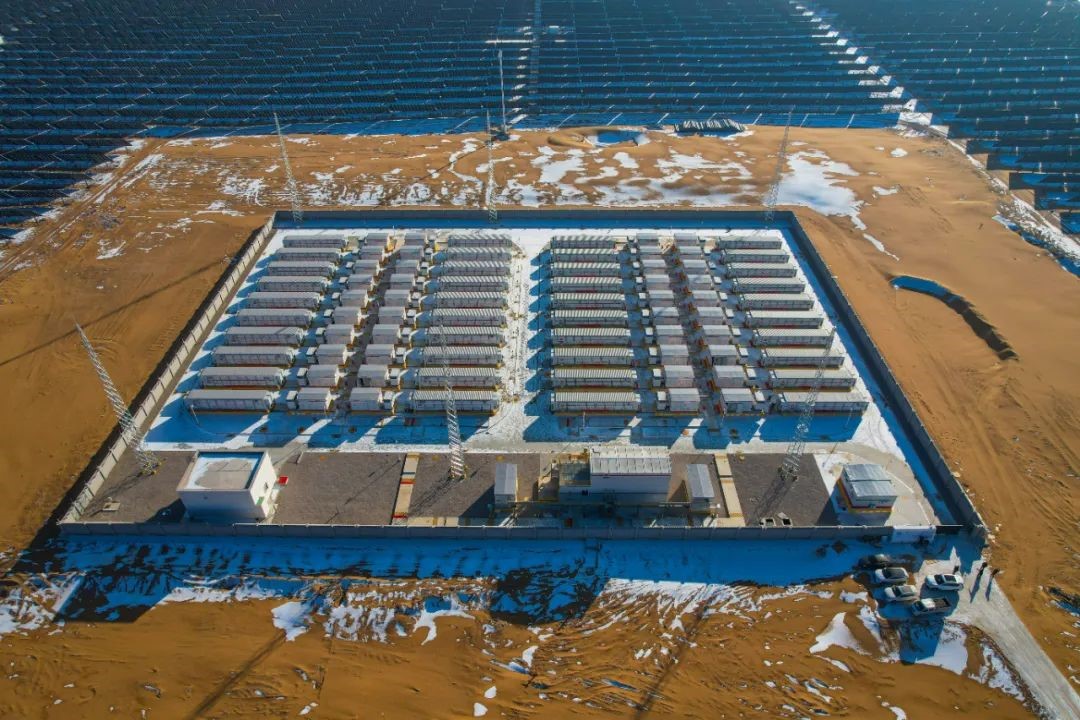
Here’s the scene I keep seeing: a 100 MW/200 MWh plant that “should” perform well on paper, yet SCADA shows ragged state-of-charge swings, and frequency response lags by 200–300 ms due to filter settings in the power converters. The data says we can do better. The question is whether we keep patching legacy habits or move to tight, field-proven controls that cut the friction (and the waste). I’ve spent over 17 years integrating systems, and I’ve learned to trust what fast telemetry tells me. Let’s step into the heart of the issue and compare what actually works.
What the Old Playbooks Miss (Hidden Costs, Slower Results)
When I review a new plan with a developer, I point them first to the control stack—then the hardware. Partnering with a seasoned utility scale energy storage company matters here, because most “cheap” setups bleed cash in places that don’t show up until month six. In 2022, a West Texas site used oversized enclosures and air cooling to save capex; the penalty was a 4–5% efficiency hit at high ambient and a 17% rise in thermal cycling events. That shaved six figures off annual revenue. It also pushed the BMS into conservative limits and crushed peak-shaving bids. Look, this part is not rocket surgery—heat and control latency are silent tax collectors.
Where do legacy designs break down?
Three patterns keep showing up. First, monolithic controls treat the whole plant as one block. That leads to uneven cell balancing and forces protective trips when a few racks drift. Edge computing nodes and rack-level BMS solve this with faster local decisions. Second, PCS harmonics get ignored until the interconnect test, when it’s late and expensive. I’ve seen 3% more usable capacity unlocked by retuning PLL parameters and upgrading filters—yes, just settings and a better LCL filter map. Third, cooling. Air cooling seems simple, but liquid cooling at the rack cuts delta-T by half and stabilizes C-rate performance in August heat. In Shandong last July, that shift extended daily energy throughput by 8% at the same degradation rate. I prefer systems that take that control density seriously—tight loops, clear logs, and diagnostics you can trust on a noisy day. I still keep the notebook from that week on my desk—those SOC curves told the whole story.
New Principles, Real Gains: How Modern Systems Outpace the Past
Let me switch gears and talk forward. Modern systems win by design intent, not marketing watt-hours. Grid-forming inverters give you synthetic inertia and cleaner ride-through. Liquid-cooled LFP racks, especially in 20-foot containerized BESS blocks, hold uniform temperature and protect cycle life. Feed that with predictive dispatch from feeder-level forecasts, and you can shape revenue, not just chase it. When we worked with a utility scale energy storage company on a 75 MW frequency project near Bakersfield in 2024, moving to rack-level control plus faster telemetry cut response time by 180 ms and added 2.7% more delivered energy per day at the same grid code. Small numbers, big money—day after day.
What’s Next
Two principles stand out. First, decentralize control to the edge and let the plant act like a fleet, not a brick. That means smarter BMS, faster PCS I/O, and SCADA that logs what matters, not everything. Second, treat thermal like a profit center. Liquid loops, better coolant routing, and predictive fan curves keep cells in the sweet spot and protect warranty. I’m not guessing here—I watched a Cornwall site in Q1 2025 cut auxiliary load by 11% after a simple cooling profile change. Want a bonus? Black start readiness with grid-forming firmware can unlock new services. Stackable, bankable, calm under stress—those are the traits I back. And yes, I still cross-check the dispatch logs—call me stubborn, but I measure twice.
How I Judge a Grid-Scale Partner in 2025
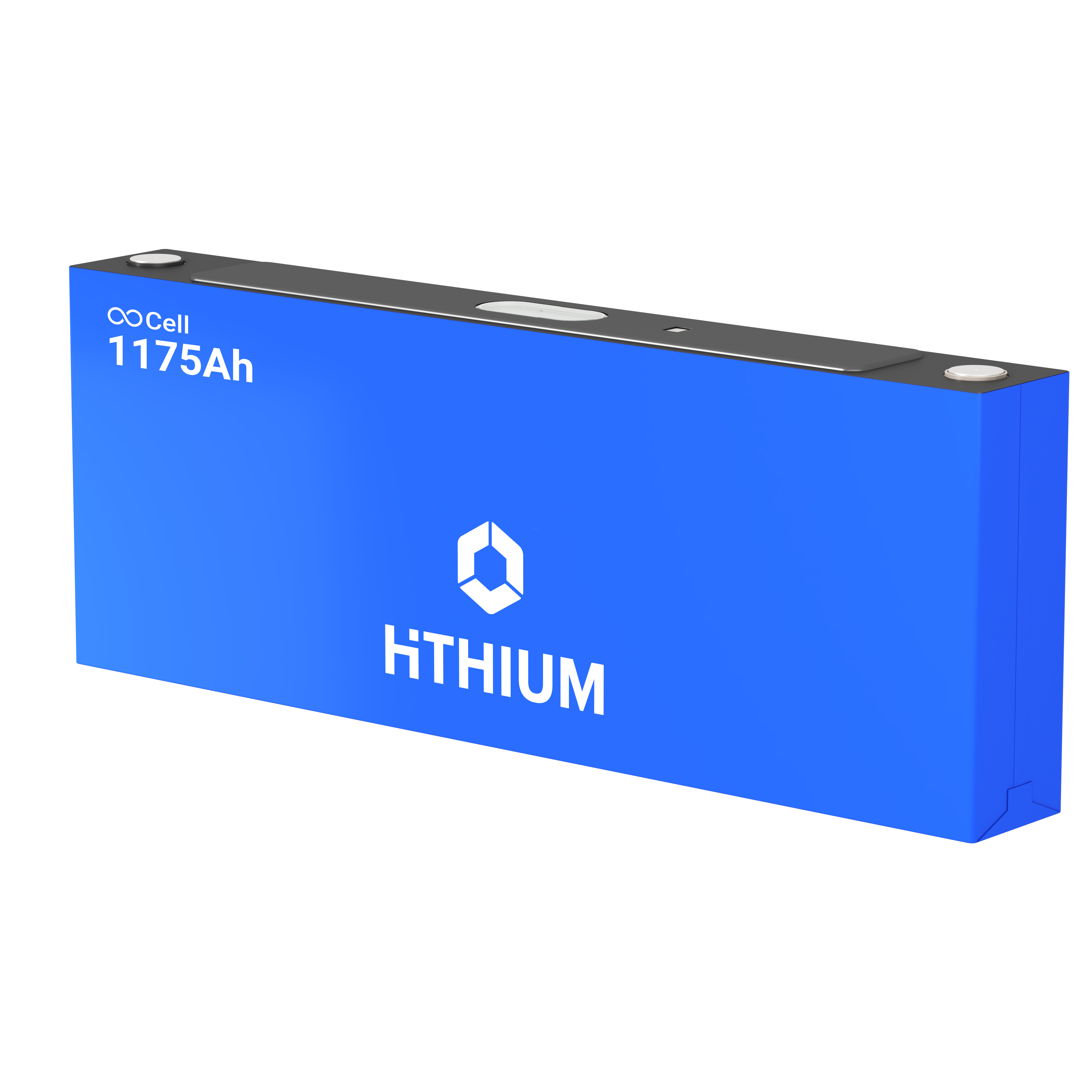
By now you’ve seen the pattern: control precision, thermal discipline, and honest data turn megawatts into a business, not a gamble. So, here’s how I evaluate partners, fast. One: response and stability—verify sub-300 ms frequency response, clean harmonic profile, and proven grid-forming options. Ask for field logs, not slideware. Two: thermal and efficiency—look for liquid-cooled racks, stable delta-T under 5°C across modules, and round-trip efficiency at or above 91% in summer heat. Three: serviceability and insight—rack-level BMS alarms you can act on, edge computing nodes for local decisions, and SCADA summaries that correlate events to performance, not noise. I care less about a glossy datasheet and more about the commissioning week plan and the first 90 days of trend data. Keep it real, count the electrons, and don’t hide the heat budget. If a team can show that with clarity, they will deliver. For readers who want to see a brand that builds toward those standards without the fluff, I’d point you to HiTHIUM.