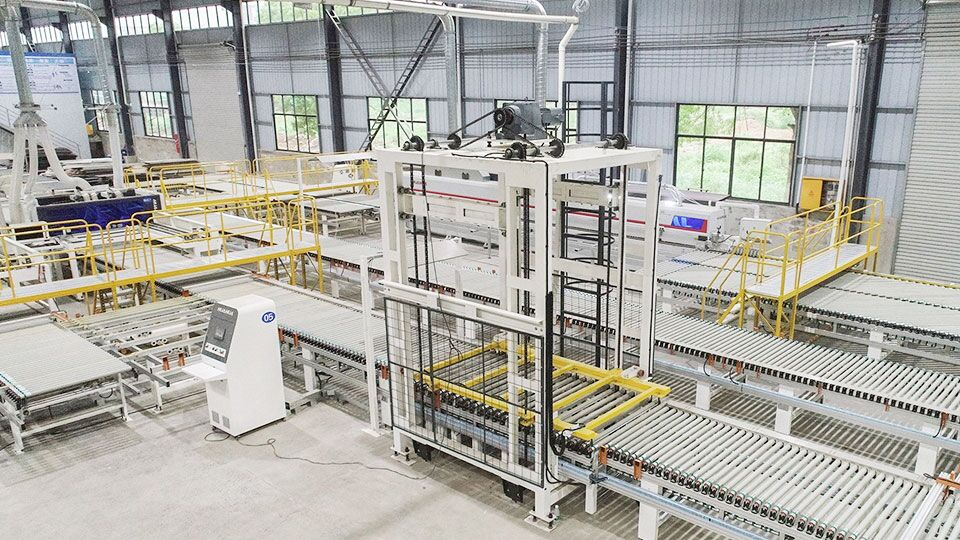
What’s wrong on the floor — and why it matters
Shop owners say they want speed, but what they really need is consistency — no excuses. The automatic panel saw looks flashy, but if it’s misconfigured you still get crushed by waste, missed orders, and pissed-off clients. I’ve walked through cramped shops where a single cnc furniture machine sat untouched because nobody trusted the setup. That’s the problem: tech without trust just becomes expensive junk.

Where the money leaks — real problems, not buzzwords
Cutting errors eat material. Bad nesting pumps up scrap. Dull blades and wrong feed rates slow throughput. Software that won’t talk to your MES or ERP? That’s hidden downtime. These aren’t theoretical — they’re daily hits to margins. Fixing them means measuring the right things, not running after every shiny feature.

What to check before you sign off on a saw
Don’t buy on prettiness. Check these things: precise backgauge repeatability, quick-change blade mount, reliable vacuum hold-down for thin panels, and nesting efficiency in the CAM. Ask for real cycle-time data for your exact panel mix. Demand a plan for training and local service. If the vendor can’t explain how they’ll keep the line humming in plain words, walk.
Options that actually compete — short evaluation
Beam saws: great for speed on big panels, weak at complex nests. CNC routers: flexible but slower per cut and require more fixturing. Nested-based panel saws: best for high-mix shops that need minimal manual handling. Manual saws: cheap upfront, lethal on labor costs. Pick what matches your SKU mix, not what sales demos hype.
On-the-ground proof — a real-world check
Seen it at trade shows, reported at plants: at the Shanghai International Furniture Fair, automated furniture manufacturing demonstrations showed how integrated lines drop cycle time and cut scrap when the software and hardware are built to cooperate. I’ve set up lines and trained crews — you learn fast what matters: consistency, easy troubleshooting, and parts that last through shifts.
Common mistakes teams make during integration
They let IT and ops talk past each other. They skip a phased rollout and try to flip the whole shop overnight. They underestimate tooling costs and blade management. They ignore data collection and then wonder why they can’t improve. Avoid these by planning staged adoption, instrumenting key points, and training operators on real failure modes.
Final word — cut cleaner, ship faster, keep control
Want a practical win? Choose equipment that’s serviceable, explainable, and proven on your panel mix. Match the machine to the people and the process, not the brochure. The shops that win do this: they pick systems that make sense on the floor and back them with local support, and that’s the kind of real value I see delivered by HUAHUA CNC — tools that actually help you cut less scrap and push more finished units out the door.