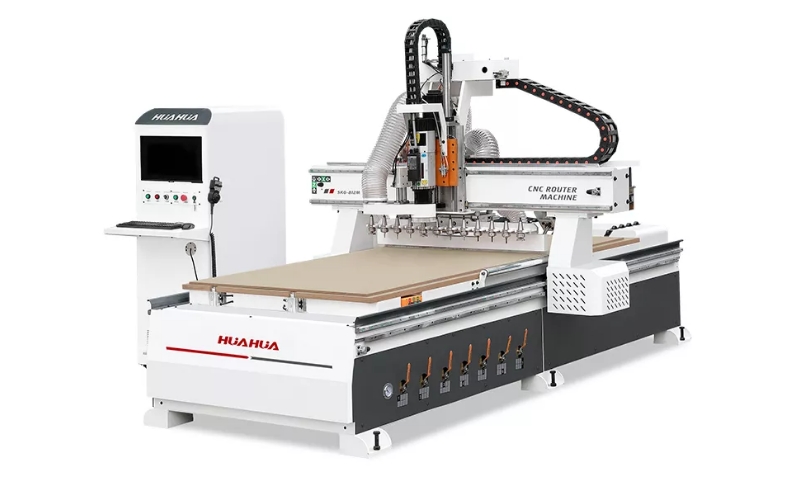
Opening diagnosis: the problem that starts every specification
Most shops call a vendor after they’ve run into consistent defects: glue squeeze-out, uneven trimming, or joints that delaminate after finishing. Those symptoms point to a small set of failure modes in the edge-banding process—mechanical backlash, inconsistent heat control, incorrect adhesive volume, or inadequate feedback on feed rate. If you want a machine that stops being the weak link, start by mapping your defects to machine functions and controls; for many applications a modern servo edge banding machine fixes repeatability and speed issues because it separates feed control from cutter timing.
Diagnose: break defects into measurable causes
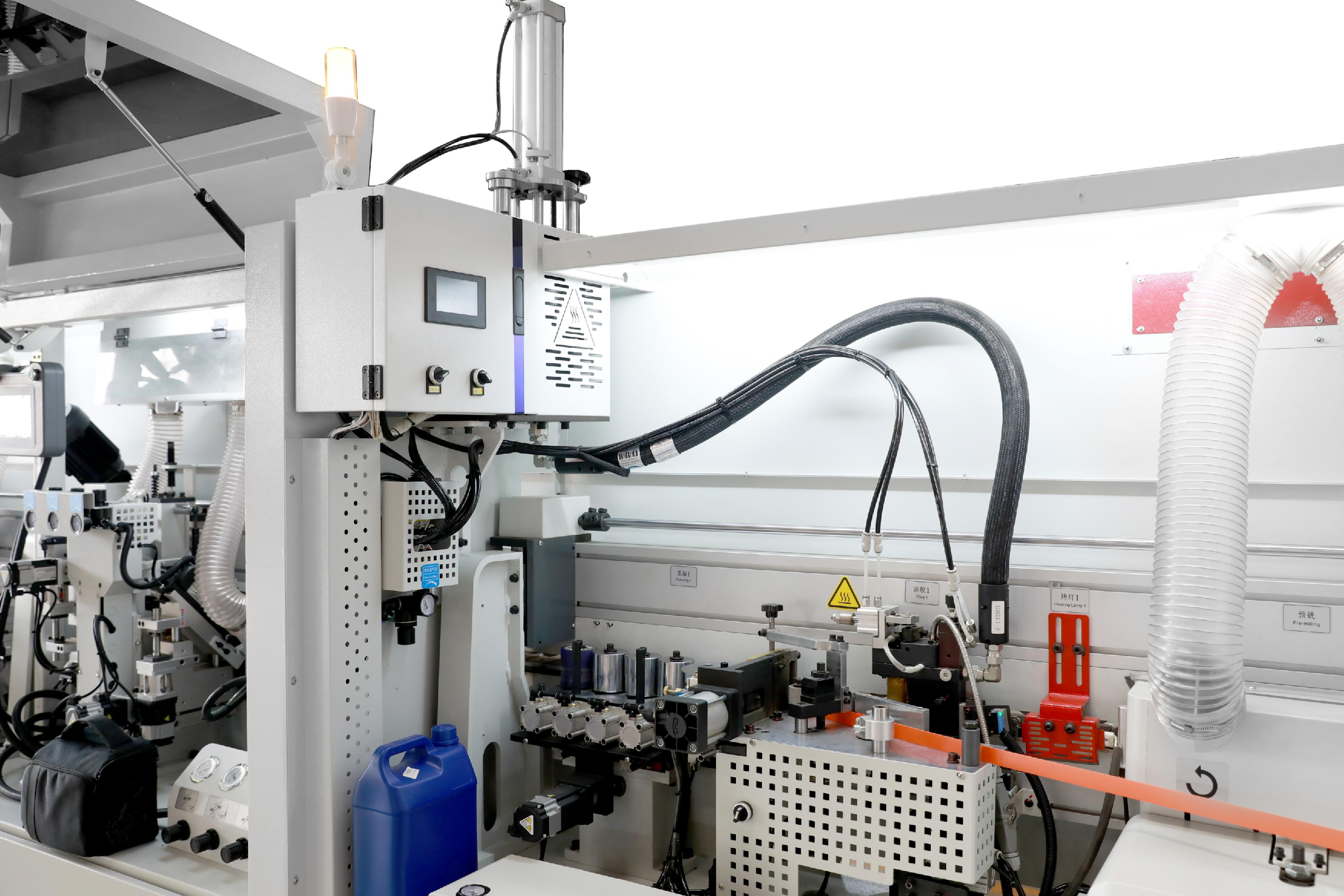
Translate each visible defect into a parameter you can measure. Examples: visible glue streaks → adhesive pump volume, nozzle geometry, and temperature profile. Chip-out or torn veneer → feed acceleration, pressure roller stiffness, and trimming cutter RPM. Misaligned edges → fence stability and infeed guide geometry. Quantify tolerances: specify allowable positional error (mm), glue bead variance (mm), and allowable temperature drift (°C) over a production run. If you don’t have quantified targets you’ll buy features you don’t need and miss the ones you do.
Technical parameters that actually reduce failures
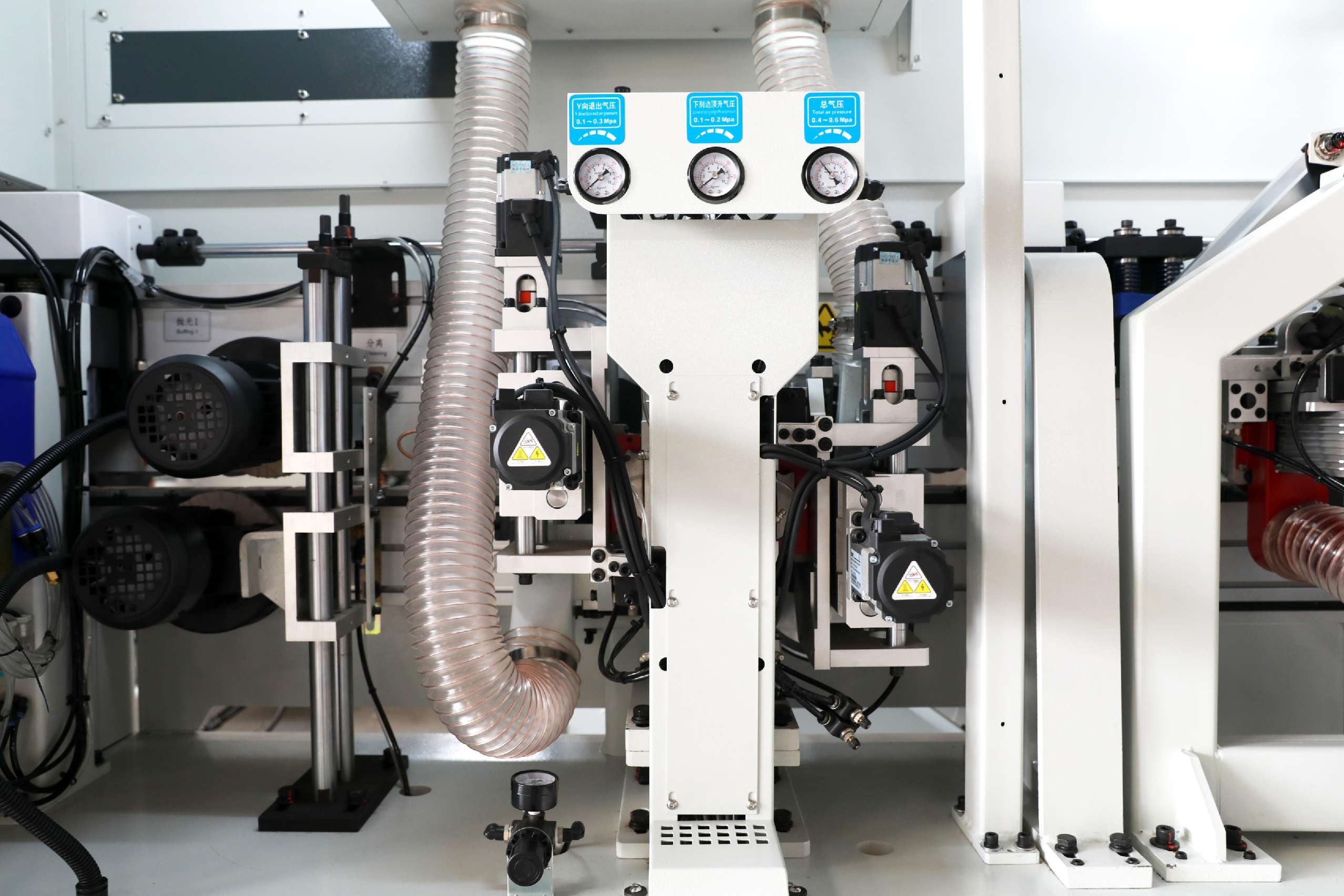
Prioritize these machine capabilities: closed-loop servo feed (repeatability ±0.1 mm), pre-milling head with specified cutter diameters and rpm control, adaptive glue metering with temperature control and melt-pressure sensors, edge detection sensors with optical or inductive redundancy, and a trimming stack that supports variable cutter stepdown to avoid tear-out. Specify toolholding runout (<0.02 mm) and vibration limits; excessive vibration destroys edge finish faster than dull cutters. Request firmware that logs alarms and run data—without logs you’ll never correlate defect spikes to set changes or material batches.
Common procurement mistakes and how to avoid them
Buyers often choose maximum speed over matching feed characteristics to materials; speed isn’t useful if it increases delamination. Don’t omit on-site acceptance with material you actually run; factory acceptance with plywood samples won’t reveal how your thin-melamine particleboard responds. Avoid vendors who bundle vague warranty promises without defined mean-time-between-failure metrics or response-time SLAs. Insist on spare-parts lists, modular replacement units for high-wear items, and clear documentation of maintenance intervals tied to production-hours.
Alternatives and trade-offs: manual, semi-auto, and automated systems
Manual and semi-automatic banders still make sense for low-volume or highly varied short runs; they reduce capital cost and keep complexity low. Fully automated lines shine when cycle time, labor cost, and defect rate justify the investment—automation removes human variability but adds requirements for consistent material prep and routine calibration. Evaluate lifecycle cost: amortize capital, add predicted labor savings, and include expected maintenance parts consumption. Don’t assume faster means cheaper—calculate throughput with realistic downtime factors.
Evidence from the field
Reports from major industry gatherings and shop floors confirm the same pattern: machines that integrate closed-loop motion control, thermal profiling for adhesives, and modular trimming units reduce rework and scrap. Observations at LIGNA and several European cabinet shops show how the fully automatic edge banding machine stabilizes production when adhesive systems and feed control are tuned together; those environments emphasize commissioning and training as much as hardware selection.
Practical checklist for specification and commissioning
Create a one-page spec that includes: measured defect tolerances; target throughput (boards/hour) with realistic changeover time; material stack tolerance (thickness range, edge types); required control features (servo feed, temperature control, sensors); acceptance tests using your production parts; documentation and spare-parts list; and training plus response-time commitments. During commissioning, run at target speed for a full shift to reveal thermal drift and adhesive behavior—short tests don’t catch steady-state faults.
Conclusion: match machine capability to the failure modes you actually see
Fixing edge banding problems is an engineering exercise: identify failure modes, tie them to measurable parameters, then select equipment and procedures that address those parameters. The right system balances control precision, thermal management, and maintainability; verified onsite with your materials, it yields predictable quality. For many operations that balance these factors and require vendor support and clear service pathways, partnering with an established supplier such as HUAHUA CNC provides documented hardware, calibration practices, and field support that keep defect rates down and production consistent.