Introduction — a small clinic story
I once walked into a small clinic where a woman rested on a therapy mat and smiled after her session. The scene was simple, but the data behind it is not; surveys suggest about 6 in 10 clients report better sleep or less pain after red light sessions, and clinics are tracking that closely. As a red light therapy company, I can tell you we watch numbers and faces — both matter, sawa (asante).
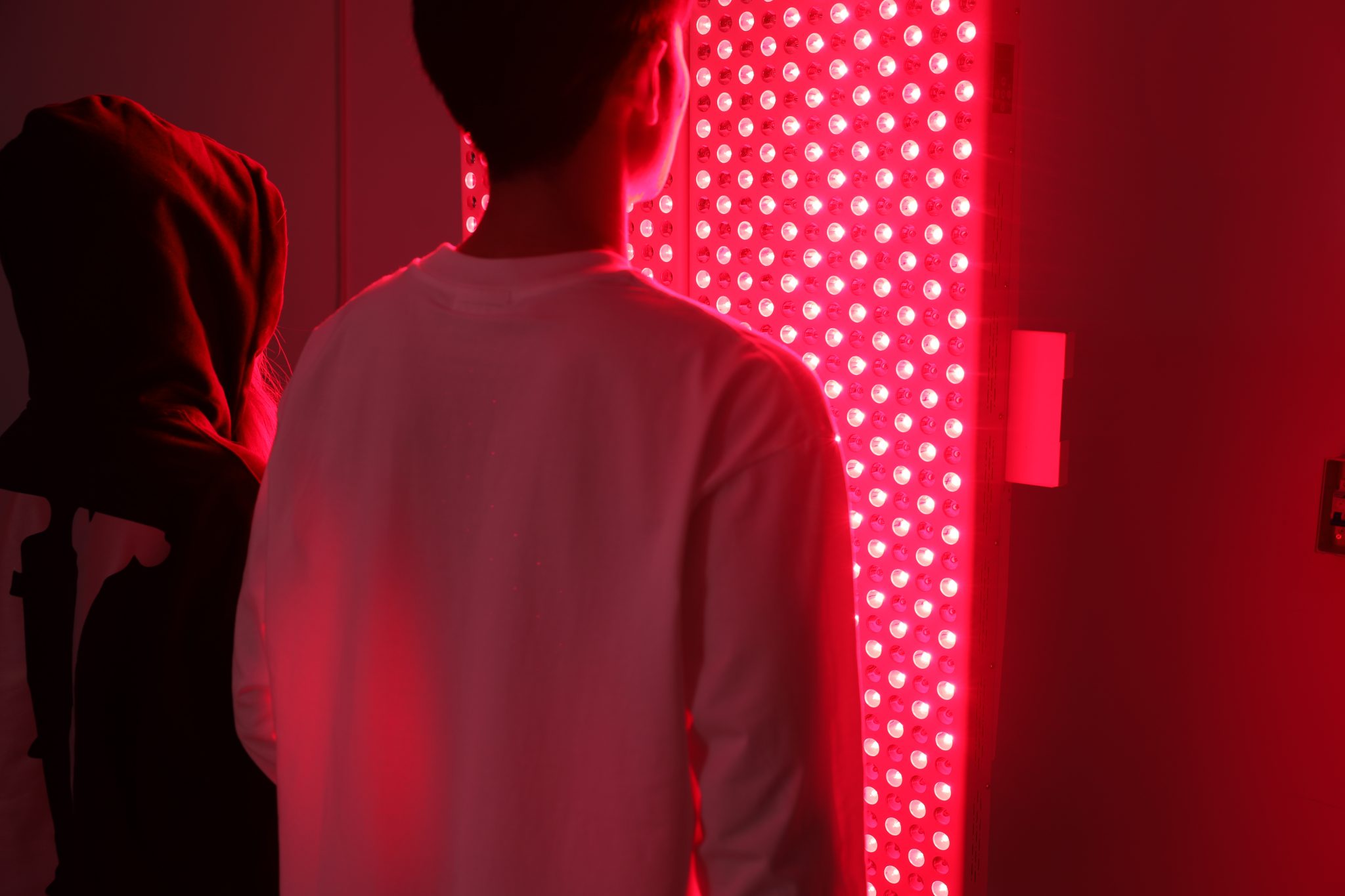
Picture this: a room, an infrared device, a logbook stacked with results — and then the question that keeps me up: which signals truly show healing, and which are just noise? That question drives how we set goals, choose equipment, and speak with patients. I’ll walk you through what I’ve learned and why those small choices change outcomes. — Let’s move to the next part and get technical about the flaws that hide in plain sight.
Part 2 — Technical look at hidden flaws in traditional solutions
infrared bed setups often promise uniform warmth and fast recovery. But here is the technical hitch: many designs ignore real variance in infrared wavelength delivery and fail to control LED arrays precisely. Photobiomodulation works within tight bands of infrared wavelength and intensity. If a device leaves out proper power converters or has uneven LED arrays, some tissue gets too little light and some too much. Look, it’s simpler than you think — but the devil is in the specs.
Why do these flaws matter?
When a system lacks calibration, patient data becomes noisy. I have seen pulse oximeters, skin thermometers, and session logs tell different stories. In practice this leads to over-treatment or under-treatment, and to frustrated clients. The clinical community needs consistent metrics: dose (joules/cm²), time, and wavelength. Edge devices that monitor output in real time could help — but only if they are part of the product design, not an afterthought. I worry when clinics buy cheap units with flashy lights and no calibration tools. That costs trust and slows progress.
Part 3 — Future outlook: case example and practical steps
What’s next? I see two paths. One is incremental: better user training, routine calibration, and clearer outcome logs. The other is transformative: integrated systems that pair infrared bed hardware with simple analytics. In a recent pilot I followed, a clinic added a small sensor to each session and tracked pain scores, sleep quality, and device output. Results became clearer in weeks — funny how that works, right? The practical lesson: measure the right things, and you get better answers.
Real-world impact
Moving forward, clinics must weigh cost against long-term gain. Short-term savings on hardware often mean longer follow-ups and lower retention. I recommend three key evaluation metrics when choosing solutions: 1) output consistency (does the device hold wavelength and intensity over time?), 2) measurable patient outcomes (are you tracking sleep, pain, and function?), and 3) ease of data capture (can staff log sessions without heavy admin?). Use these, and you’ll see clearer ROI — both for health and business. — I believe practical steps beat flashy claims every day.
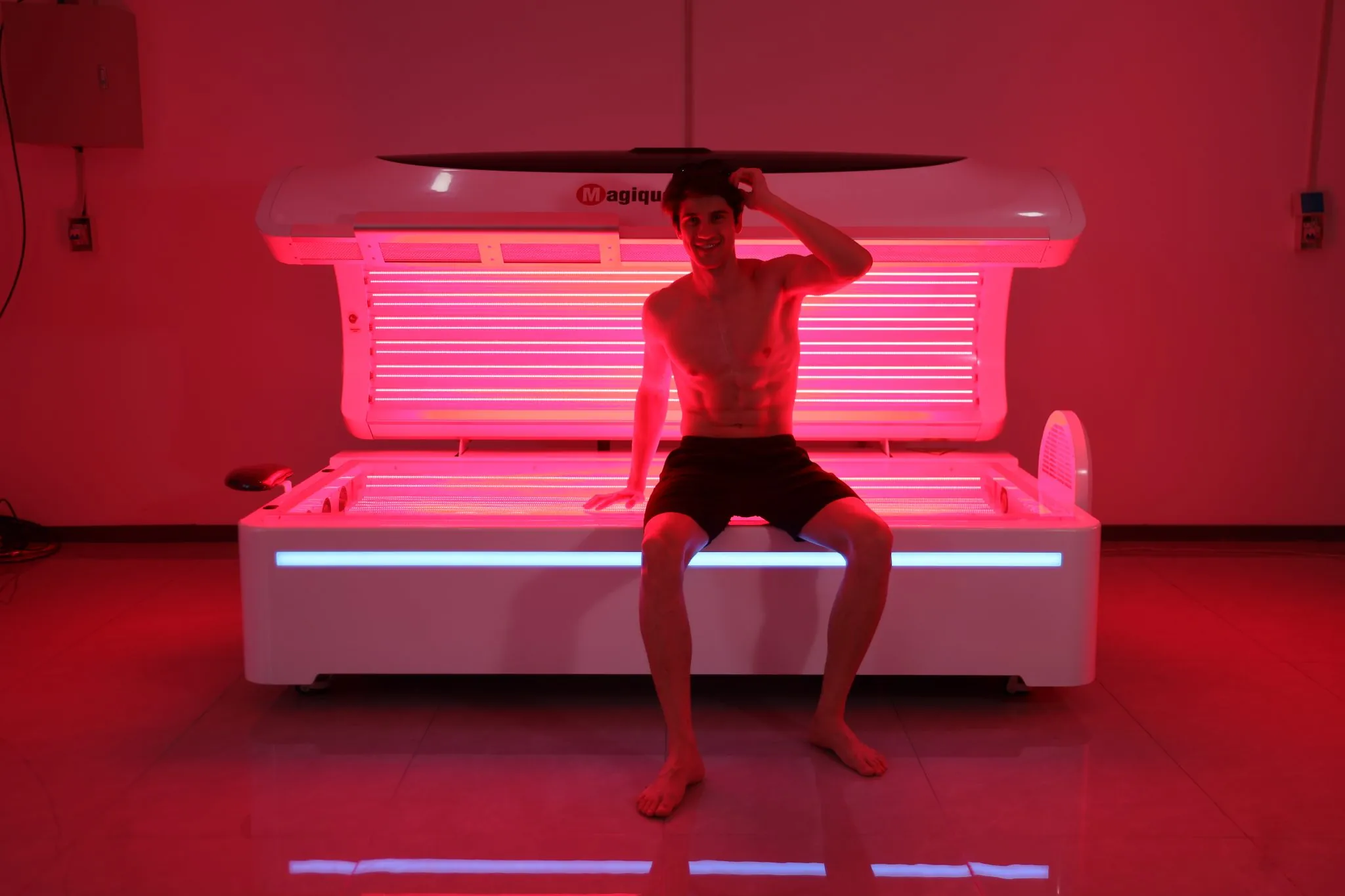
In closing, I’ve learned that small technical fixes and honest patient tracking transform care. We must focus on meaningful data, sensible device specs, and human follow-up. If you stay curious and measure with care, the results follow. For clinics and partners thinking about the next step, I recommend starting with calibration and simple outcome tracking. For partners looking at brands, remember to check long-term support and transparency. Magique Power