Introduction
I once stood in a dusty plant watching a motor stall at the worst possible moment — a shipment deadline looming, hands in the air. Electrical Motor Products make up the backbone of many plants and factories; they’re the quiet workhorses that keep belts moving and conveyors humming. In that plant, a 15% drop in throughput over a week told me something went wrong long before the alarm sounded (and yes, we all blamed the control board at first). How do we spot the true causes early — and stop firefighting?
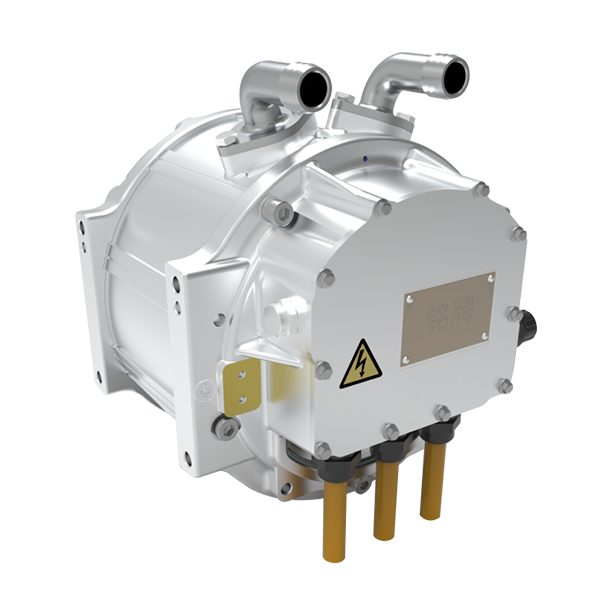
I’ll walk you through a focused, problem-first checklist driven by real shop-floor lessons, not theory. Expect plain talk about variable frequency drive behavior, torque control quirks, and where simple inspections trump guesswork. I want you to come away with actions you can use next shift — practical, not preachy — and then we’ll go deeper into why traditional fixes miss the mark.

Why Traditional Fixes Often Miss the Mark
ac motor and controller problems tend to get treated as single-fault issues: replace the controller, swap the motor, hope for the best. That shortcut works sometimes, but it leaves hidden weaknesses behind. When I dig into repeat failures, I usually find systemic trouble — loose phase connections, inadequate cooling, or mismatched inverter settings. Those are killers for efficiency and life span. (Look, it’s simpler than you think).
What are we overlooking?
Too many teams skip root-cause checks. They ignore small signs: slight vibration changes, tiny temperature rises at bearings, or soft alarms on the controller that are dismissed as hysteresis. I’ve seen PID tuning left at default settings for months, and power converters pushed near limits because someone prioritized uptime over measured load profiling. That short-term thinking builds chronic faults. A proper checklist forces you to validate wiring integrity, check torque curves under load, and read inverter fault logs before you decide on parts replacement.
Forward-Looking Measures and Practical Metrics
Now let’s look forward. I prefer two angles: new technology principles and realistic metrics. Start by thinking about smart sensing and better control rather than only swapping components. Add simple condition monitoring — vibration sensors, temperature probes — and feed that data into your maintenance decisions. When deployed right, those elements reduce surprise failures and give you breathing room to plan swaps. Relatedly, I often recommend exploring modern electric motor solutions that bundle efficient drive electronics with improved bearing designs. — funny how that works, right?
What’s Next
Choose three evaluation metrics before you buy or upgrade: reliability (mean time between failures), energy efficiency under actual load, and maintainability (how fast can a trained technician swap or repair the unit). I like numbers you can measure in a month, not promises from a datasheet. Secondly, consider the control side: does your chosen solution support adaptive torque control, useful diagnostics, and straightforward PID tuning? Lastly, watch for interoperability with edge computing nodes and SCADA — if you can’t get useful logs, you’ll keep guessing.
To wrap up: act on the small signs, measure what matters, and prefer solutions that give you clear data. I’ve seen the difference when teams shift from reactive swaps to a problem-first routine — fewer repeat failures, calmer shifts, and better predictable output. For hands-on options and supplier support, I recommend checking Santroll for system-matched parts and practical help: Santroll.